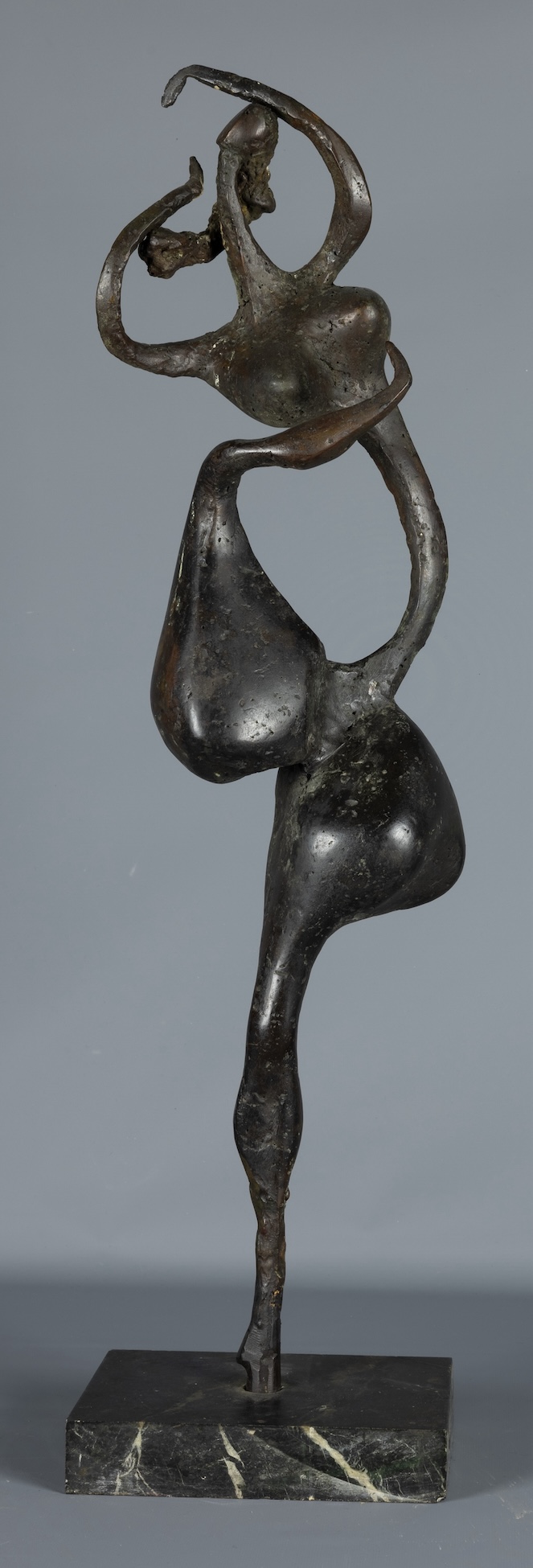
Born and raised in Birmingham, Alabama, African American sculptor John Rhoden studied at Columbia University before launching into a career that would take him around the world. Working primarily in bronze, stone and wood, he is best known for his lyrical style characterized by a sensual, rhythmic approach to form. One of nine sculptures donated to the museum is now on view in the recently renovated Barbara and Sanford Orkin Gallery.
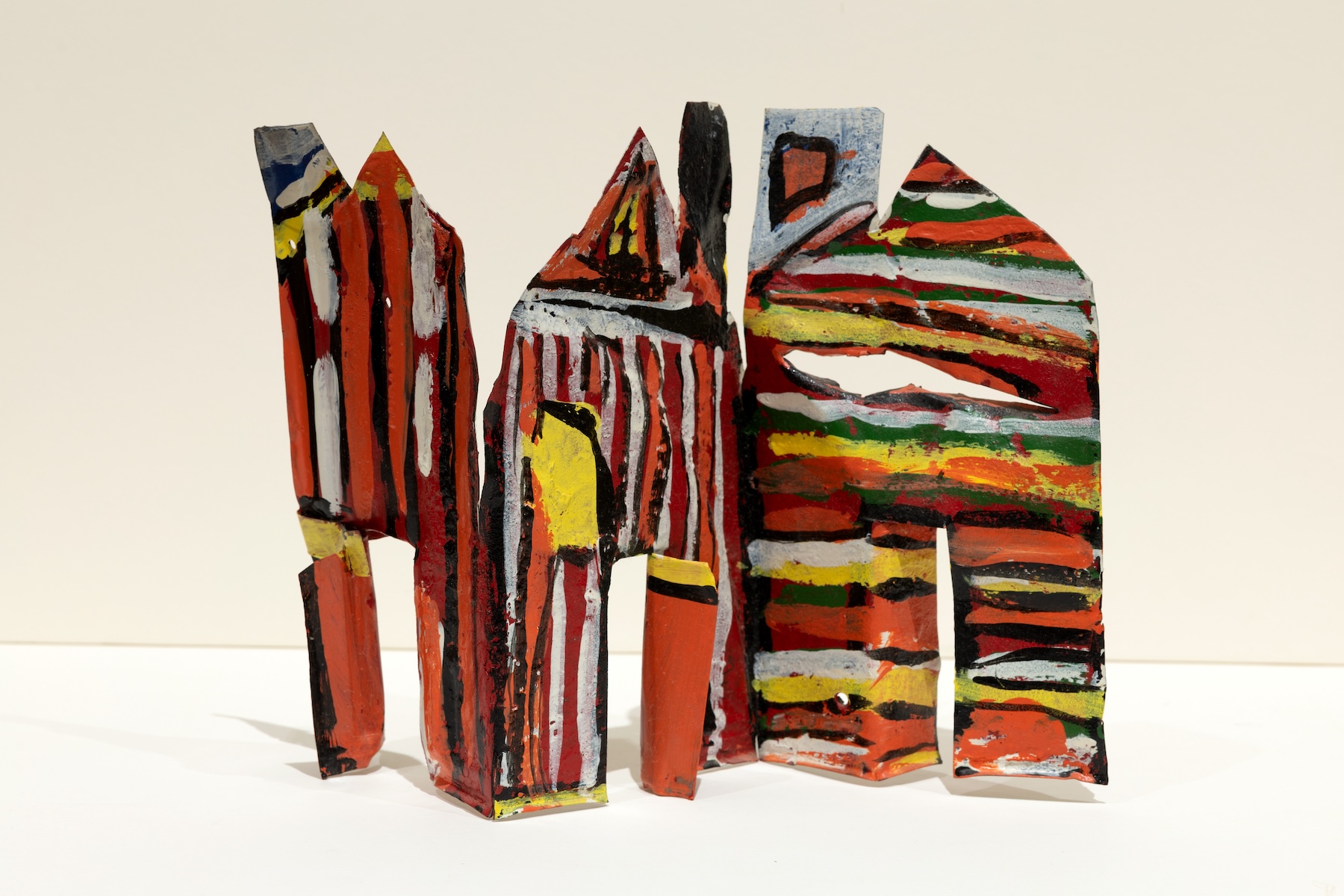
In 2024, James and Lane Norton donated 14 works by Beverly Buchanan to the museum, many of which are currently on view in the exhibition “Shacks, Stories and Spirit: Beverly Buchanan’s Art of Home.” The museum received two more sculptures in 2025 — one from the estate of Mrs. Gene G. Weeks and one from Prudence Lopp — that further illustrate the artist’s resourcefulness when it comes to materials: metal, terracotta, pastels, markers, paint, foam board, wood and found objects.
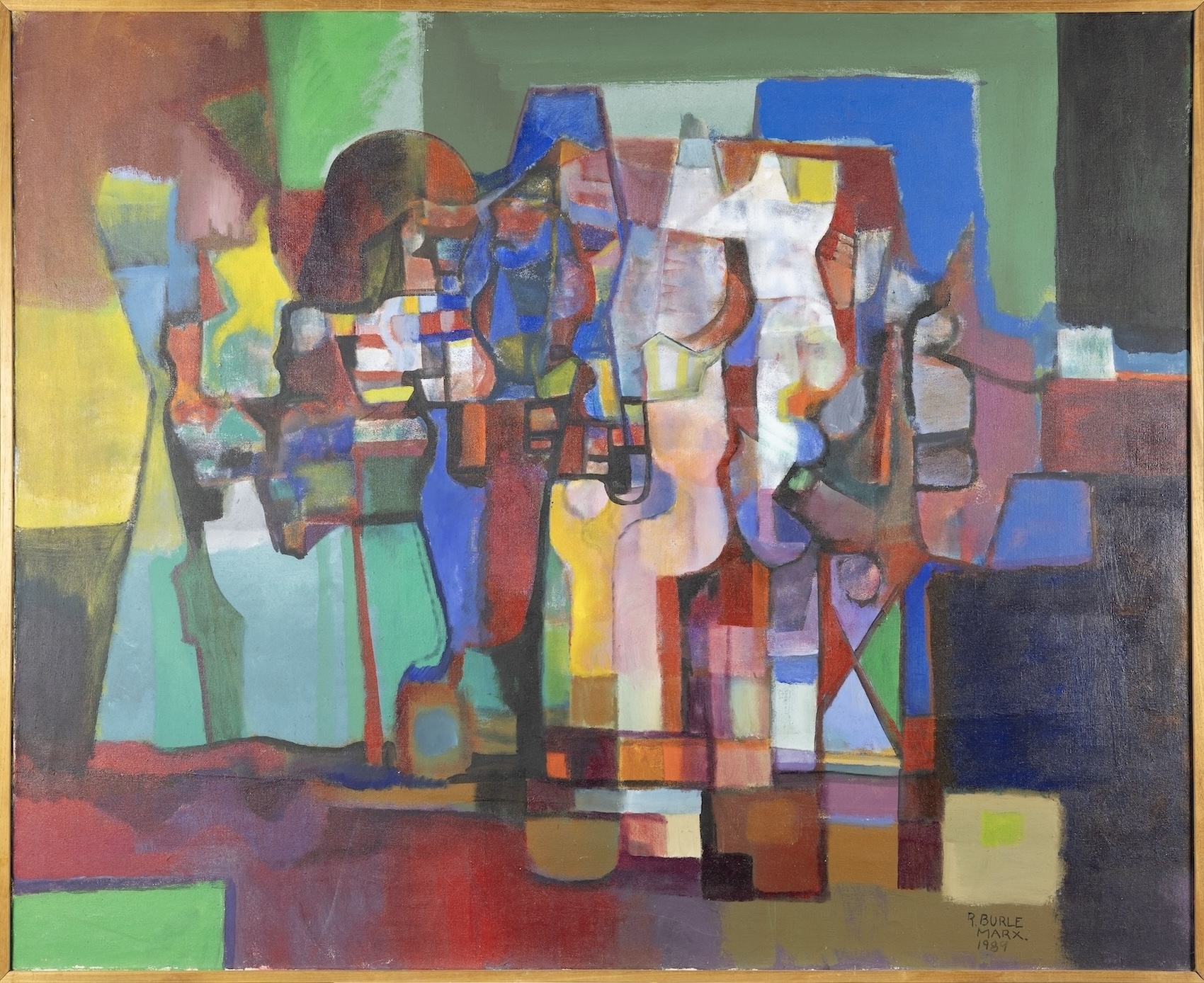
Brazilian landscape architect Roberto Burle Marx’s modernist and avant-garde style of design was influenced by cubism and abstraction, using large blocks of color, abstract shapes and asymmetry to create living works of art. Like his gardens, his paintings celebrate the native flora of Brazil through bold color palettes and contain flowing pathways that guide the viewer through the work.
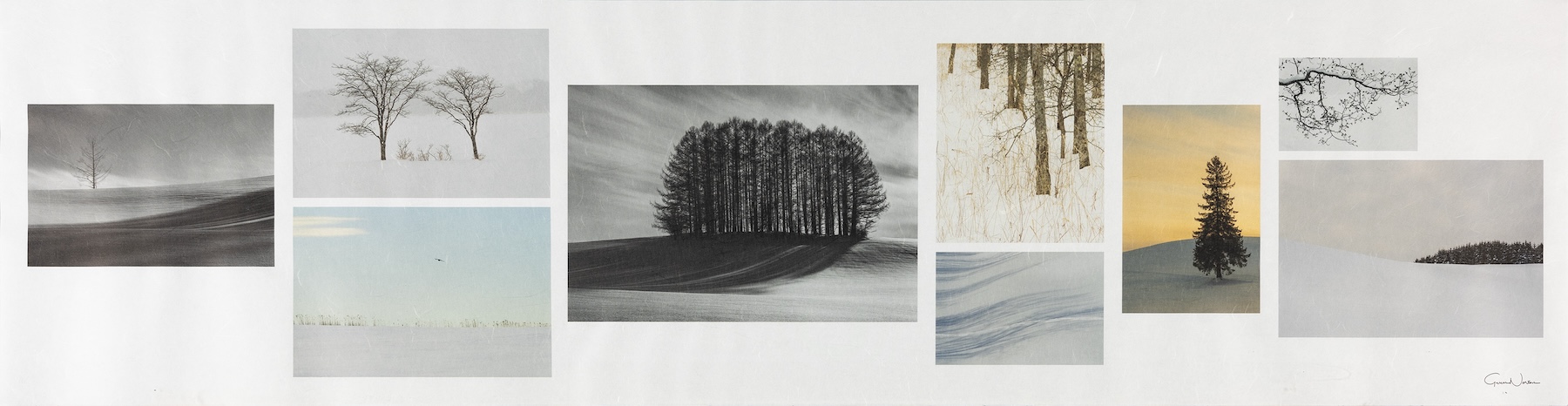
After a 28-year career in banking and finance, Gwen Norton pivoted to photography. She is currently pursuing her master of fine arts degree at the School of Visual Arts in New York. Her photography — often printed in nontraditional formats such as this scroll — explores silence, isolation and memory across landscapes and portraits.
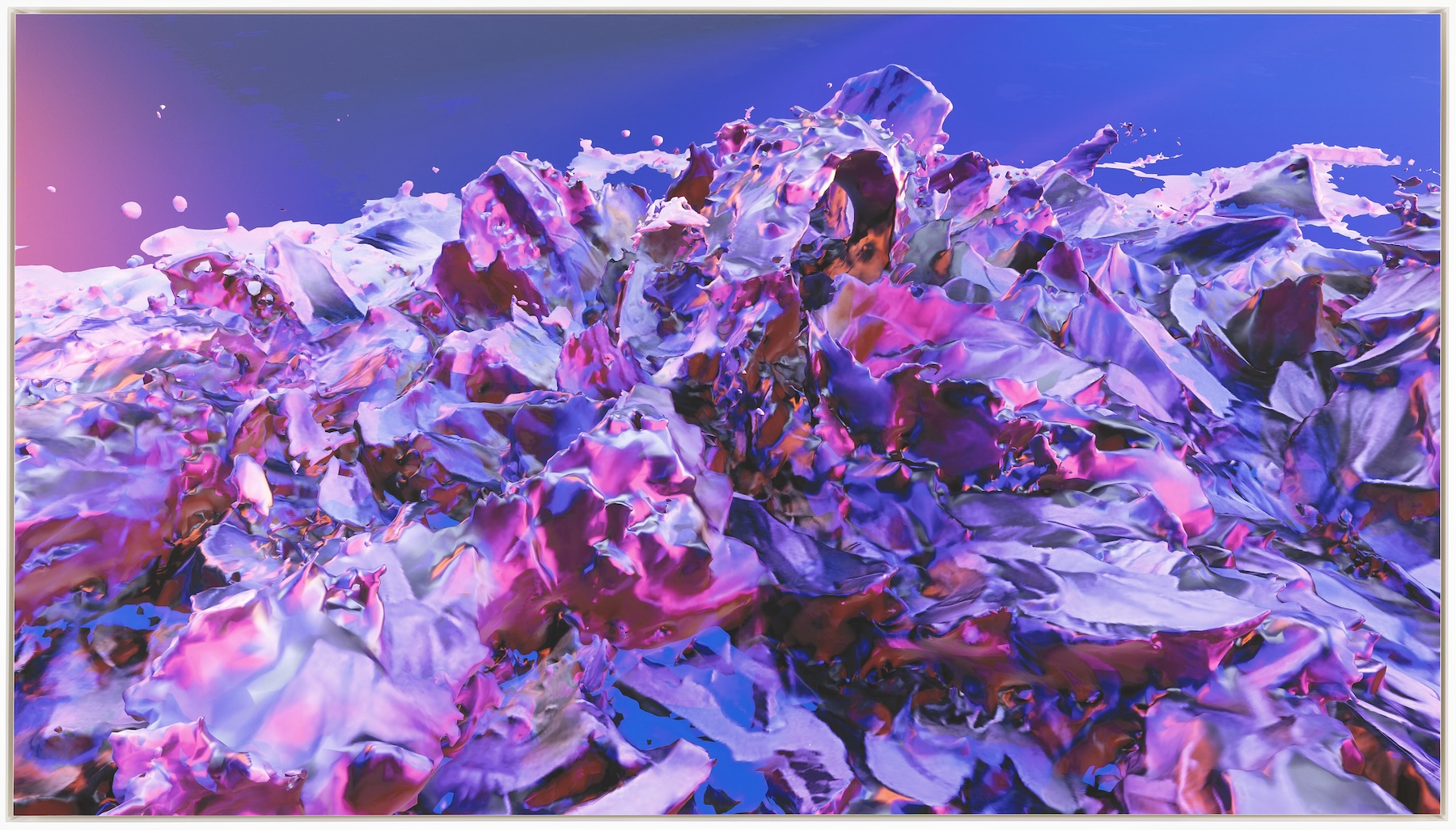
The museum’s exhibition “Nancy Baker Cahill: Through Lines” (2023 – 24) highlighted the Los Angeles-based artist’s interdisciplinary practice, tracing how her work progresses through drawings, sculptural installations, animations and digital works in augmented reality (AR). The print “Slipstream 18” triggers its own AR animation, bringing the still image to life as a related video.
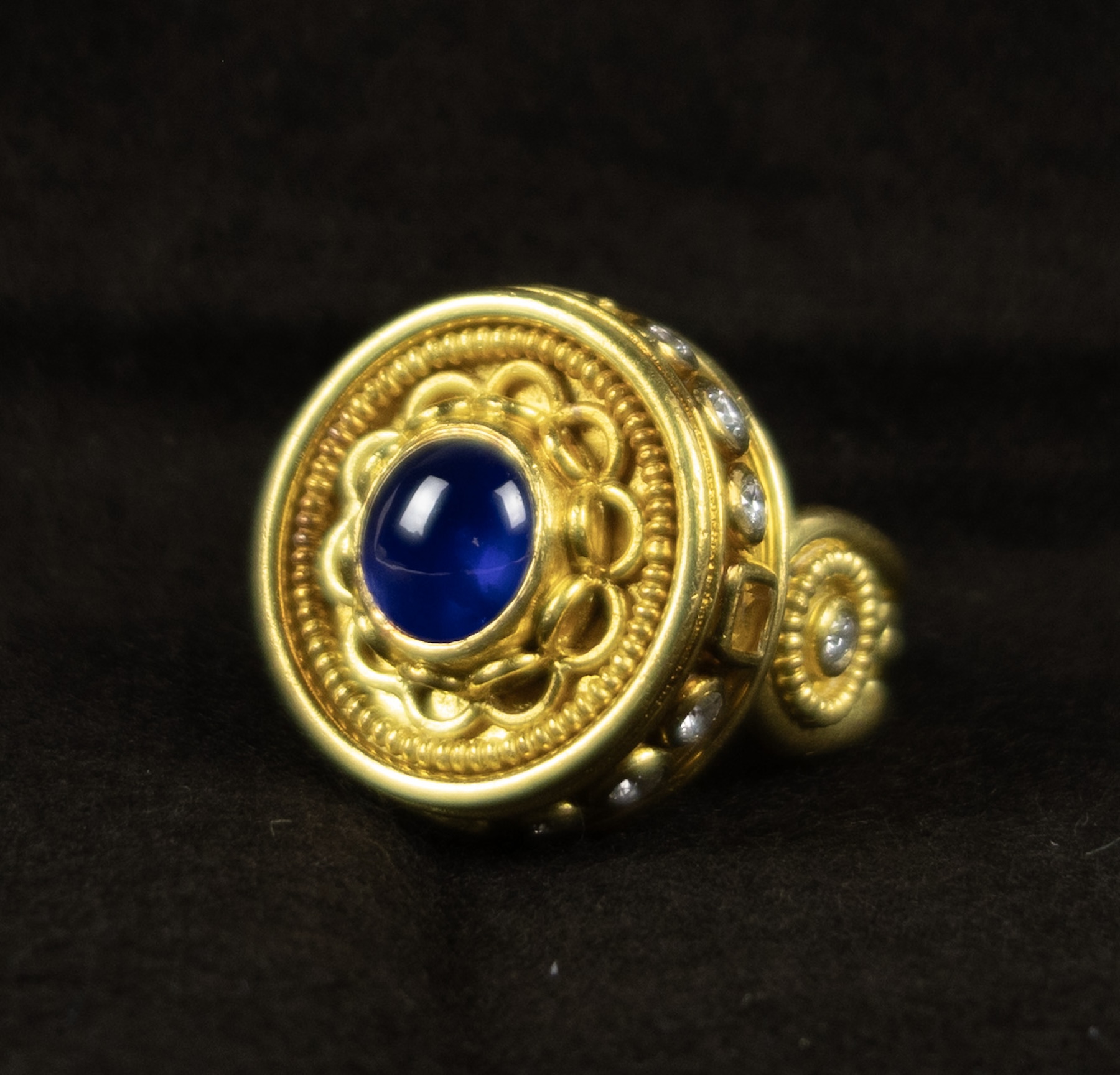
Jewelers Anne and Paul Lings ran their goldsmithing shop Carats & Karats in Ephraim, Wisconsin, for nearly four decades, but spent winters in the milder climate of Athens, Georgia. Paul received a master of education degree from UGA in 1975, focusing on trade and industrial education. Inspired by ancient jewelry styles seen during world travels, he returned to UGA and received a master of fine arts in jewelry and metalsmithing in 1997.
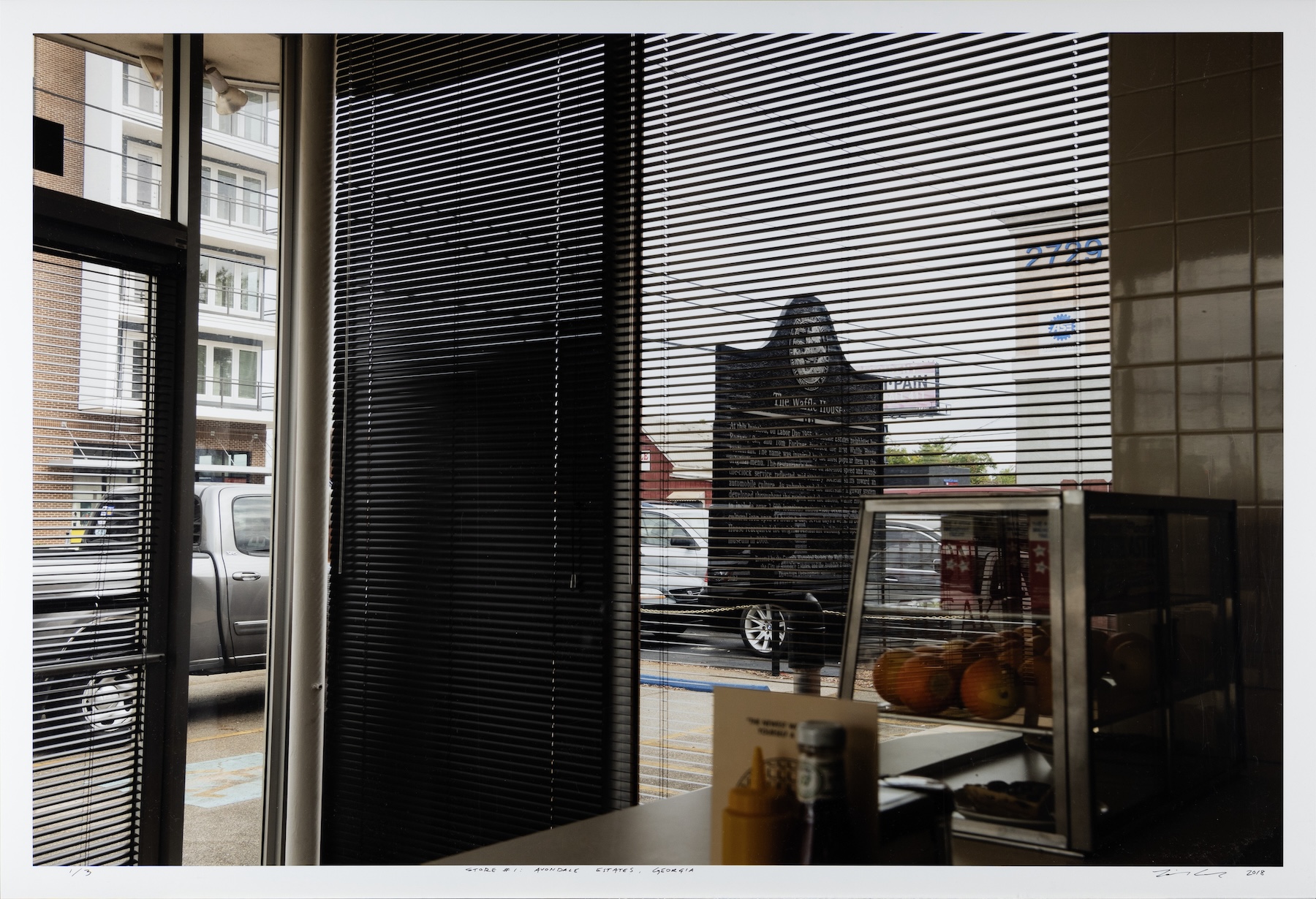
The museum added five prints from Micah Cash’s photography series “Waffle House Vistas” following his exhibition at the museum. Shot at Waffle House locations across the Southeast, the series juxtaposes the diner’s familiar, iconic interior with the diverse natural and human-made landscapes visible beyond the windowpanes.
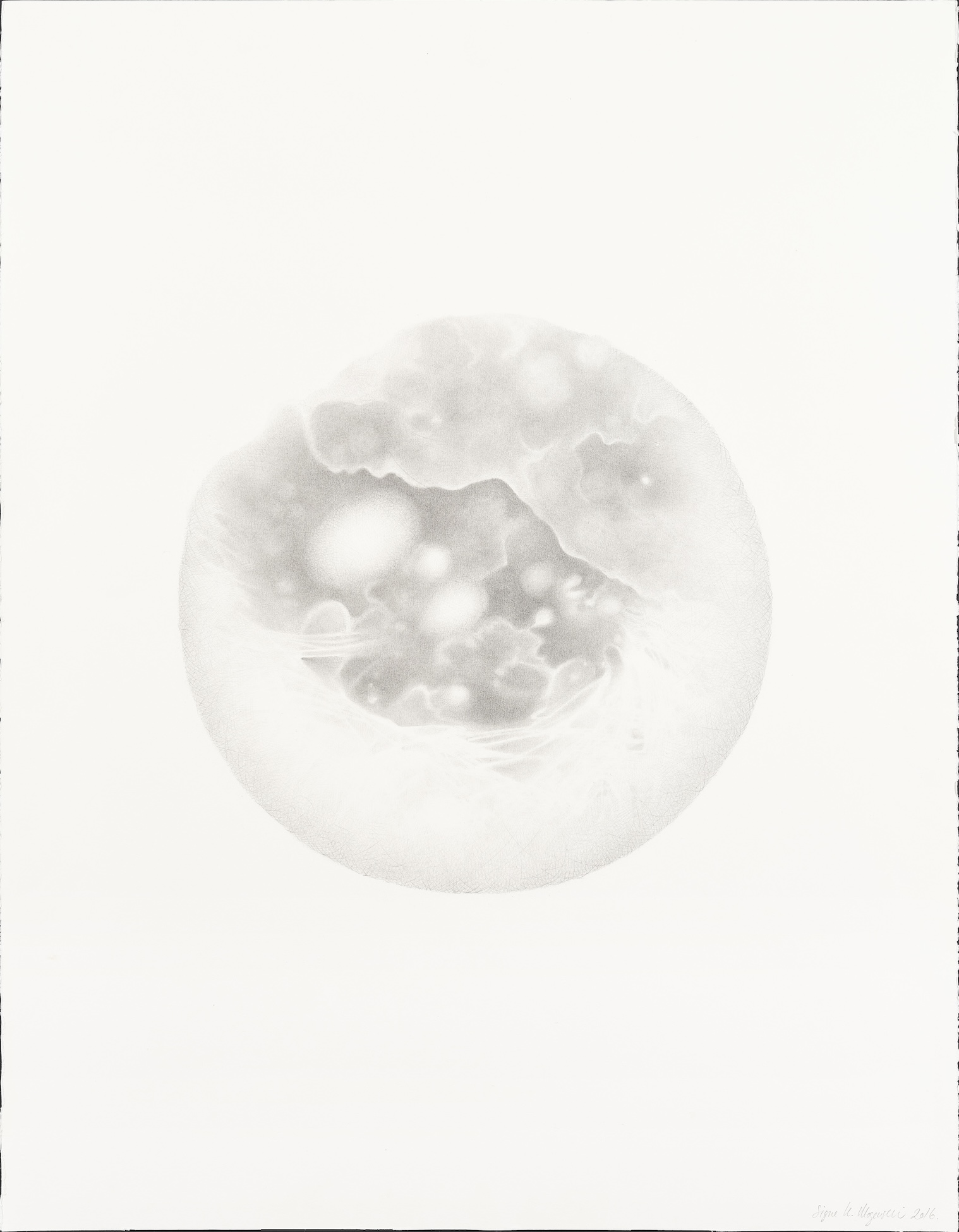
Signe Kongsgaard Mogensen’s graphite drawings evolve and take form as she meticulously adds soft layers of shading over weeks or even months. Exploring principles of time and language, Mogensen’s work draws inspiration from her interests in science, literature, poetry and the visual arts. One of the museum’s two new works by Mogensen is currently on view in “We, Too, Are Made of Wonders.”
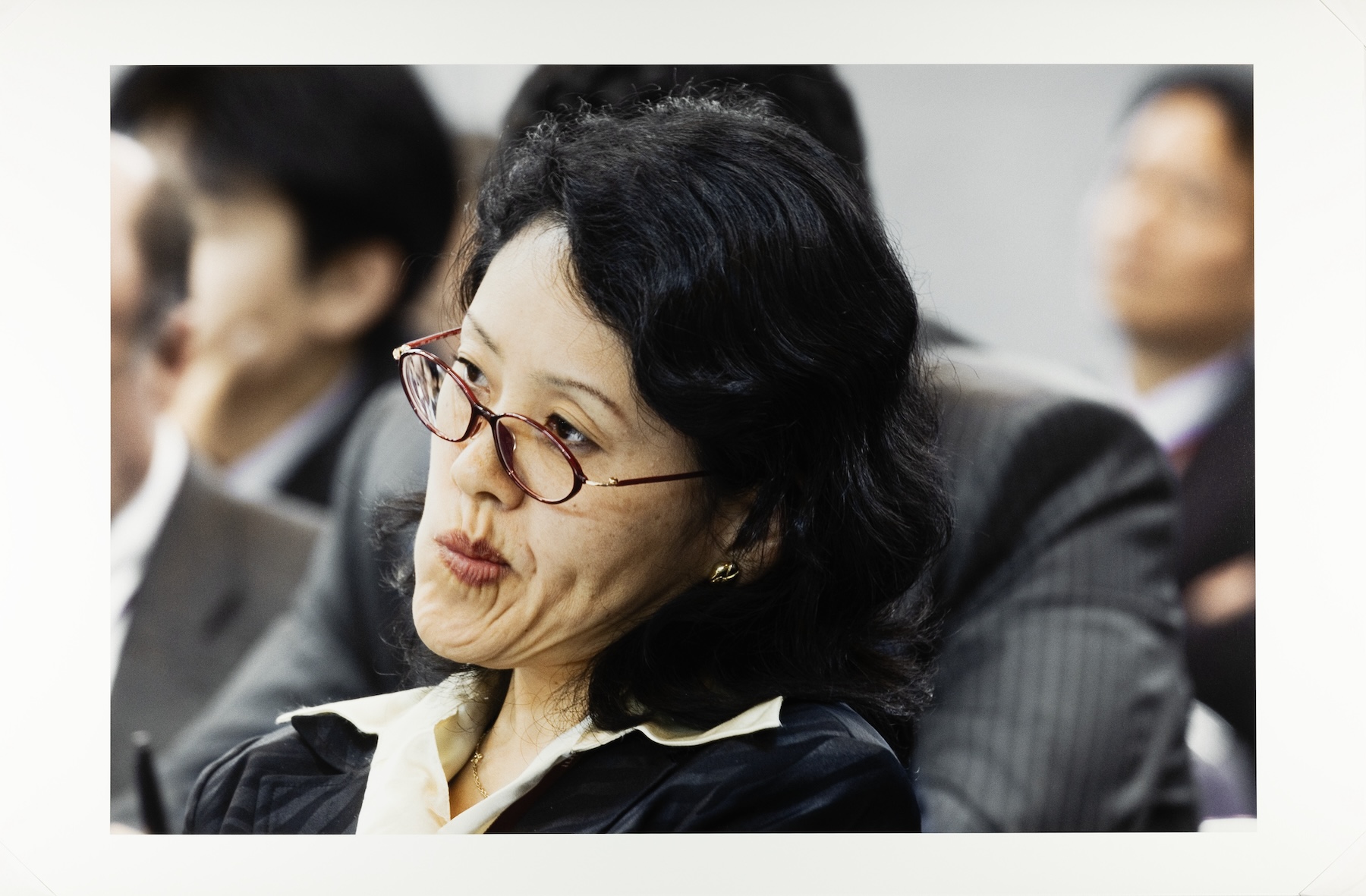
Curious about whether climate change was real, photographer Joel Sternfeld attended the United Nations Climate Change Conference hosted in Montreal in 2005. Horrified by the alarming scientific discoveries being shared that day, he trained his camera on a range of delegates to capture their facial expressions as they processed what they were hearing. Sternfeld published these images as a book called “When It Changed” in 2007, and the museum hosted an exhibition of them in 2024.
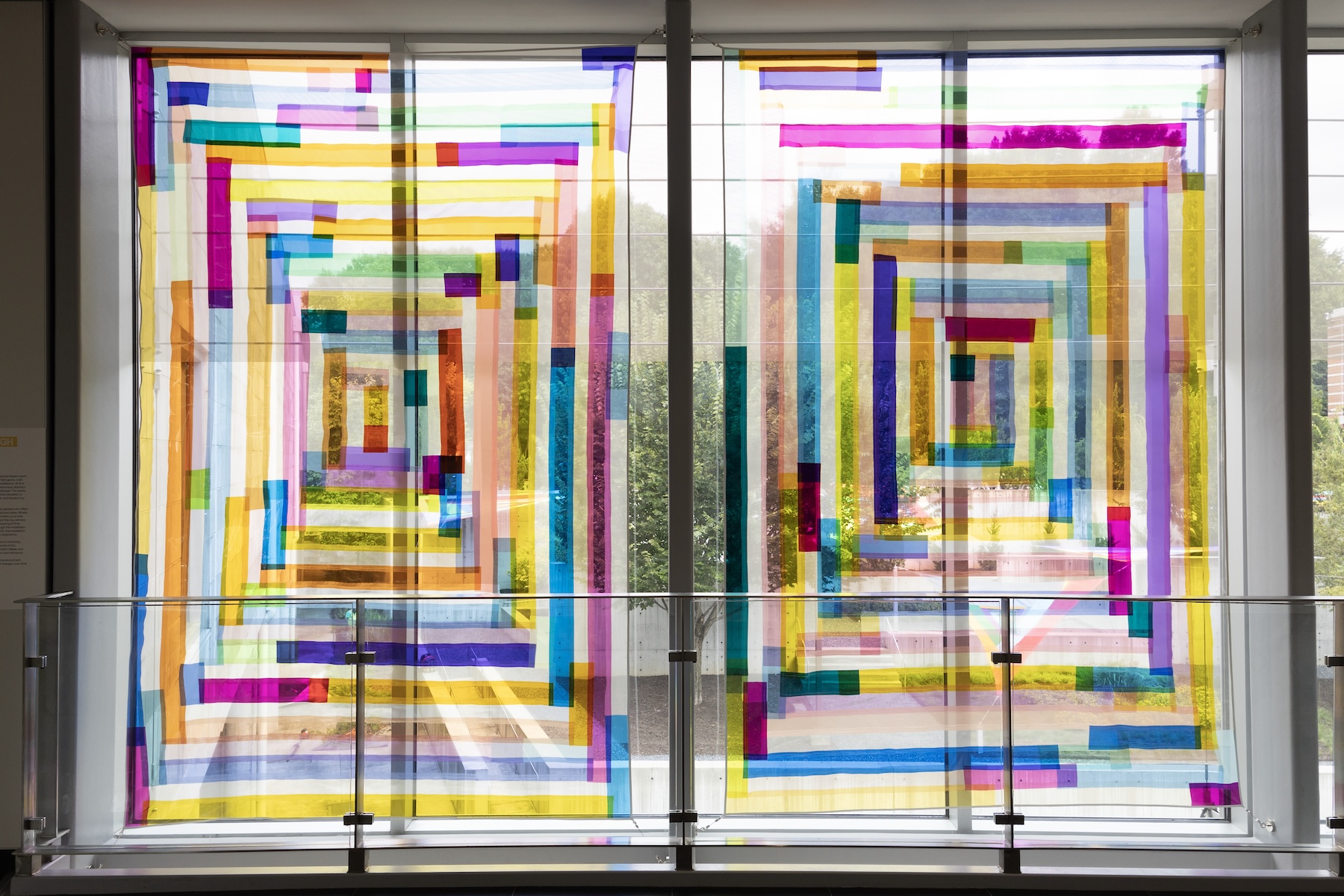
Created for the museum’s exhibition “Looking Through a Sewn Sky: Rachel Hayes” (on view in the Jane and Harry Willson Sculpture Garden through July 30, 2027), “Open Windows” is a pair of tapestries patchworked together from candy-colored stripes, currently on display on the second-floor windows that look out onto the sculpture garden. Blended shades of color appear where stripes overlap along the seams and the ever-changing natural landscape is visible through the translucent material.
Authored by:
Jessica Smith