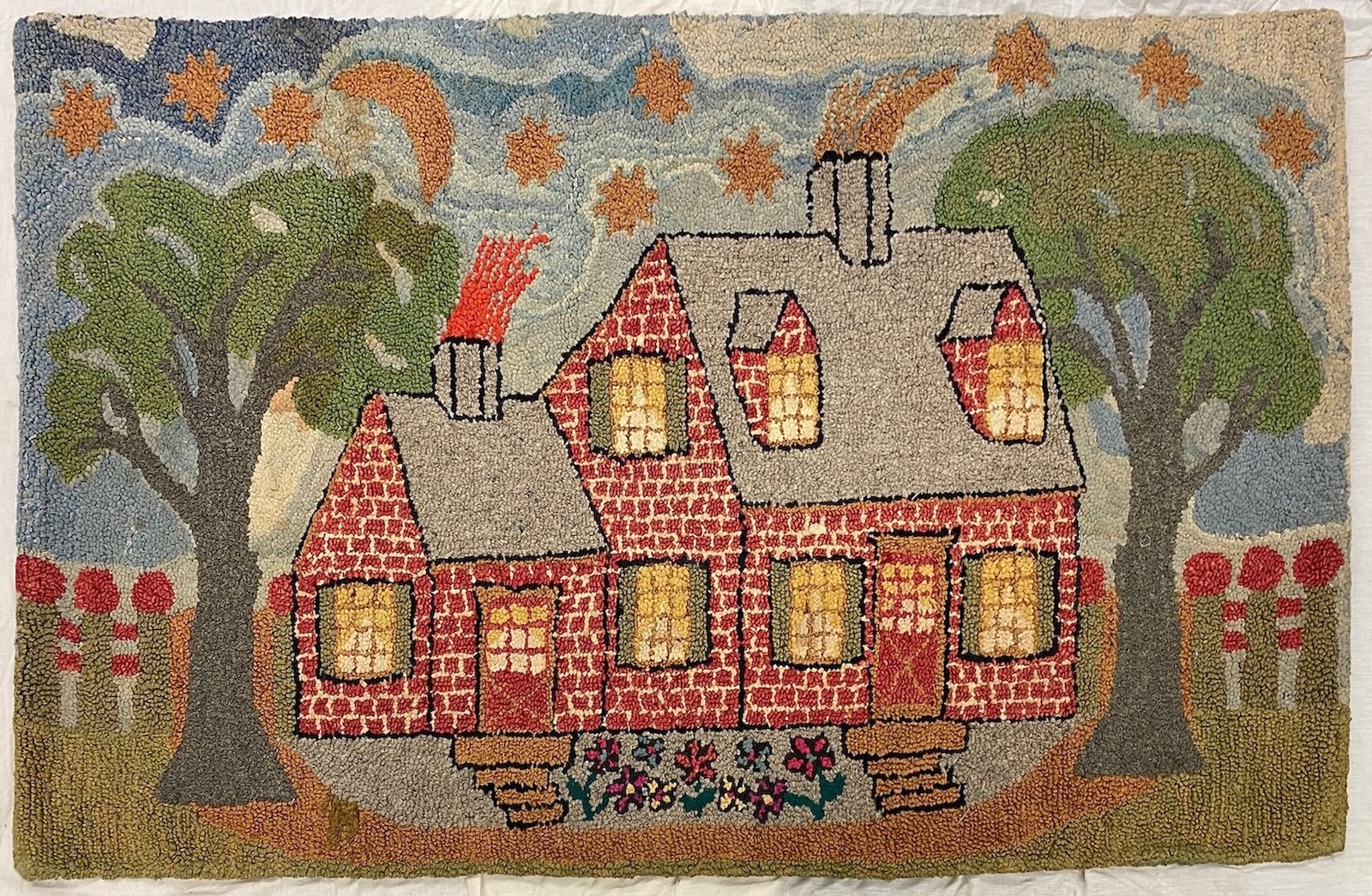
This October, the Georgia Museum of Art reinstalled the Phoebe and Edgar Forio Gallery, dedicated to the decorative arts. Public historian Amber Albert worked with museum staff to curate this new display of Georgia objects, primarily from the 19th and early 20th centuries.
Albert selected works based on the concept “home as ecosystem.” The display explores the use of decorative objects as tools and environmental technologies within the home. While modern definitions of technology may bring to mind smartphones, TVs and laptops, technology can be any tool used to make life easier. During this era, environmental technologies often included quilts, silver and ceramics. Although the objects selected for the reinstallation were decorative, they also served everyday functions related to climate, light and hygiene.
Albert chose objects that haven’t often been on view, including a pair of early-19th-century silver wine bottle coasters. Popular before household electricity, the coaster functioned to display a wine bottle and protect the table’s surface while the shiny material reflected the limited light produced by candlelight. Three examples of wallpaper, all featuring metallic inks or glossy finishes, similarly would have made a home feel brighter in the early 1900s by reflecting dim gas light or early electric bulbs. A canning jar from ca. 1850, used to preserve food, has a decorative iris painted on its outside.
By focusing on everyday tools and technologies, Albert hopes to portray the stories of Georgians throughout history and invite modern viewers to connect through design and innovation. Albert said, “While decor will be part of the narrative, it is secondary to function and material.”
By showcasing domestic objects from different economic classes, the museum also hopes to correct misconceptions of art that exclude craft traditions. David Odo, former director and chief curator of the museum, said that decorative arts can serve as a way to expand who is seen as an artist and whose work is included in museum collections.
Albert said, “I’m hoping [visitors] come in, and even though they’re looking at something that’s 150 years old, they immediately think of something in their home and how it works.”
The reinstallation takes a more thematic approach than previous displays and is aimed at sparking interdisciplinary conversations between art and areas of study that may not normally engage with art. Odo explained, “Providing more of an interpretive pathway for those classes makes it more approachable from a teaching perspective. It might help faculty imagine ‘this is a theme that resonates with what I’m trying to teach,’ even though the media are very different.”
Authored by:
Jisu Stanfield