

Pretty Politics: Women as Symbols, Women as Subjects
Katelyn Stauffer’s spring 2026 class POLS 4575H: Women in US Politics developed the pop-up exhibition “Pretty Politics: Women as Symbols, Women as Subjects” as part of their coursework this semester, working with objects in the Georgia Museum of Art’s collection.
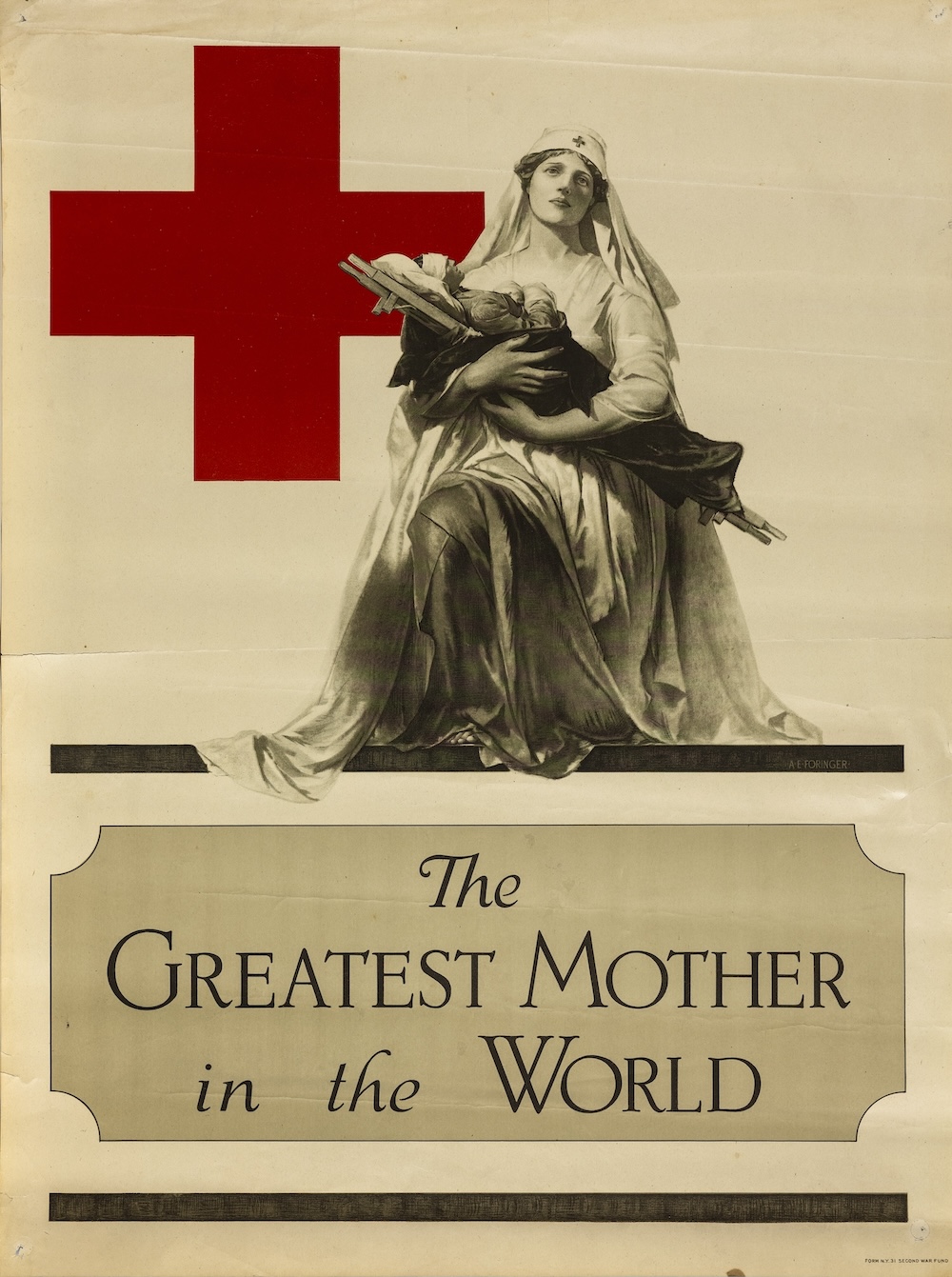
This piece served as an advertisement for the Red Cross during World War I, painting the woman as a mother, a caregiver, a nurse. It demonstrates the role of a woman as being a nurturing figure for those involved in the war. This was symbolic for mothers that had sons overseas fighting in the war.
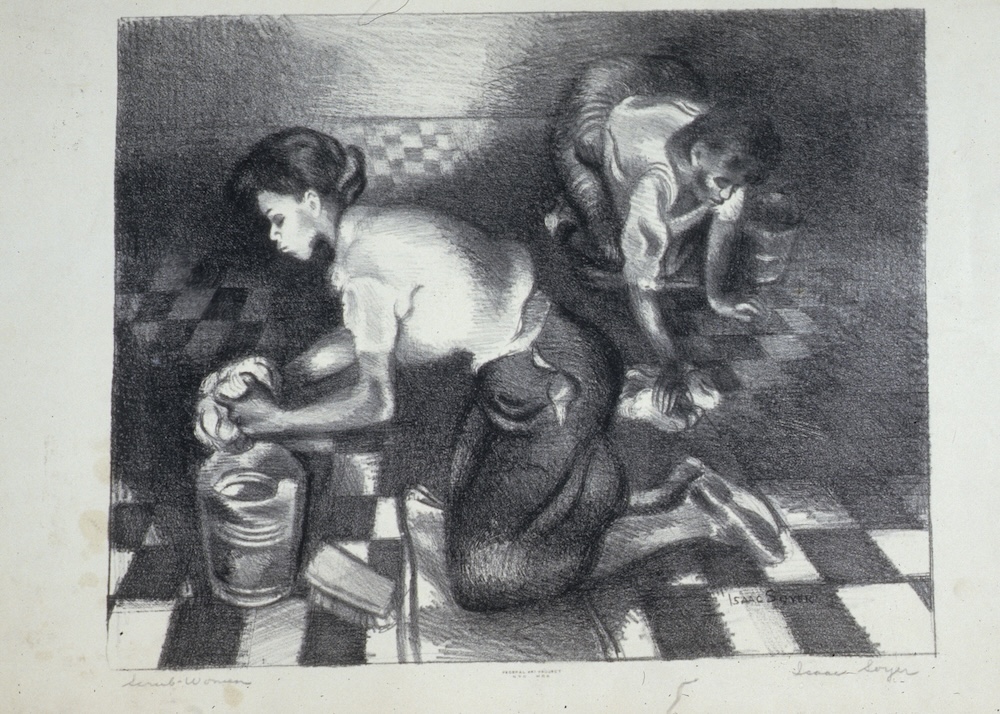
This work made by Isaac Soyer is a social piece that focuses on the struggle of the working class during the Great Depression. This image positions two women on their knees scrubbing floors, which demonstrates the reality of women who were of working-class status during the Depression. This marked a period of women obtaining an income for the home; however, the jobs they could obtain did not provide enough growth or support to get better work. The women in the image are the mark of a political change in household status while still enduring societal complications that hold them back.
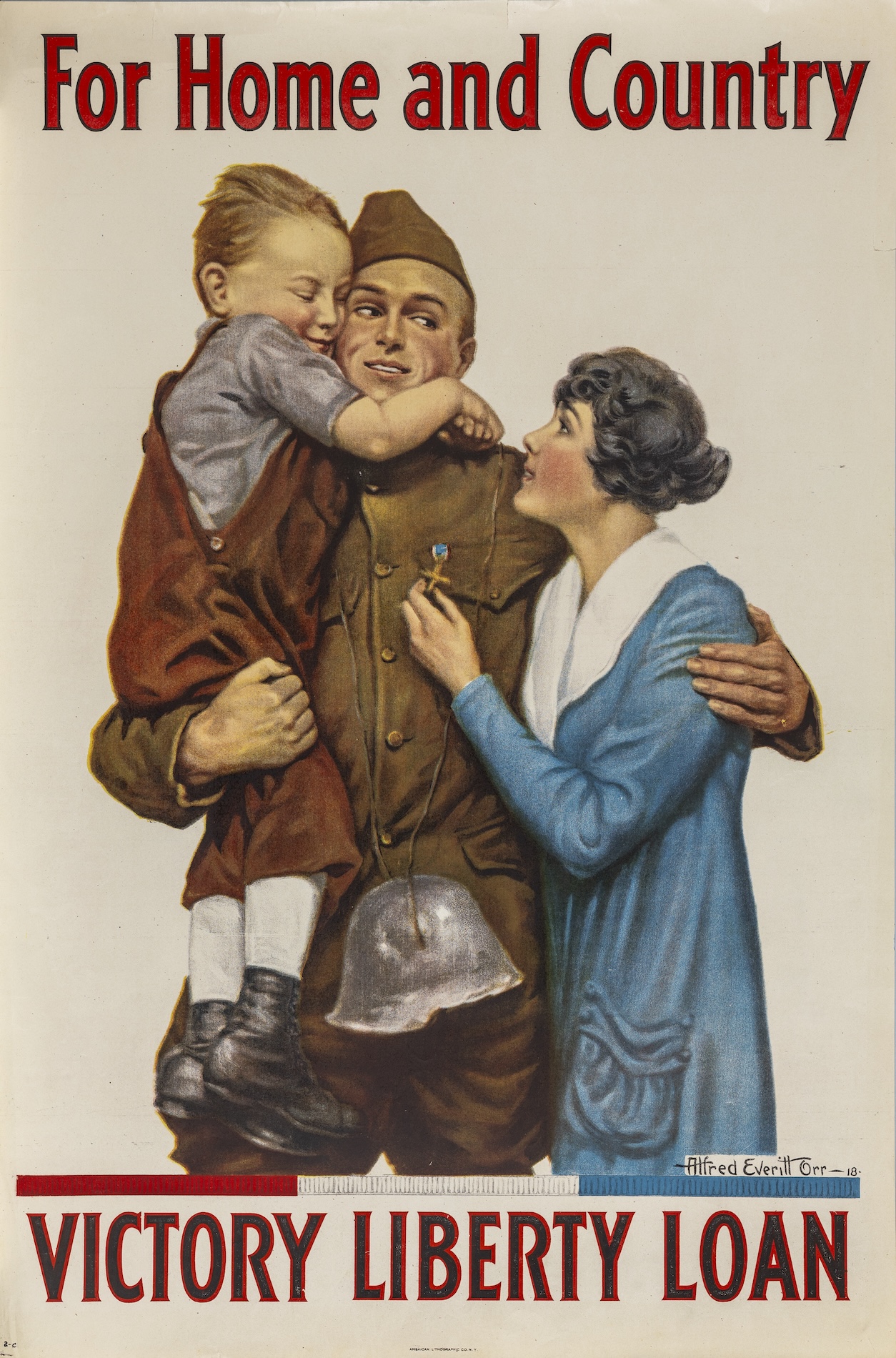
This piece is a prominent World War I propaganda poster urging viewers to purchase Victory Liberty Loan Bonds. Rather than acting as a subject of the image, the woman pictured represents the home the men are fighting for. The positioning and focus of the subjects establish a dynamic in which the man is a protector for the woman. It highlights the traditional idea that it is a man’s role to defend his family and country while women play a supporting role.
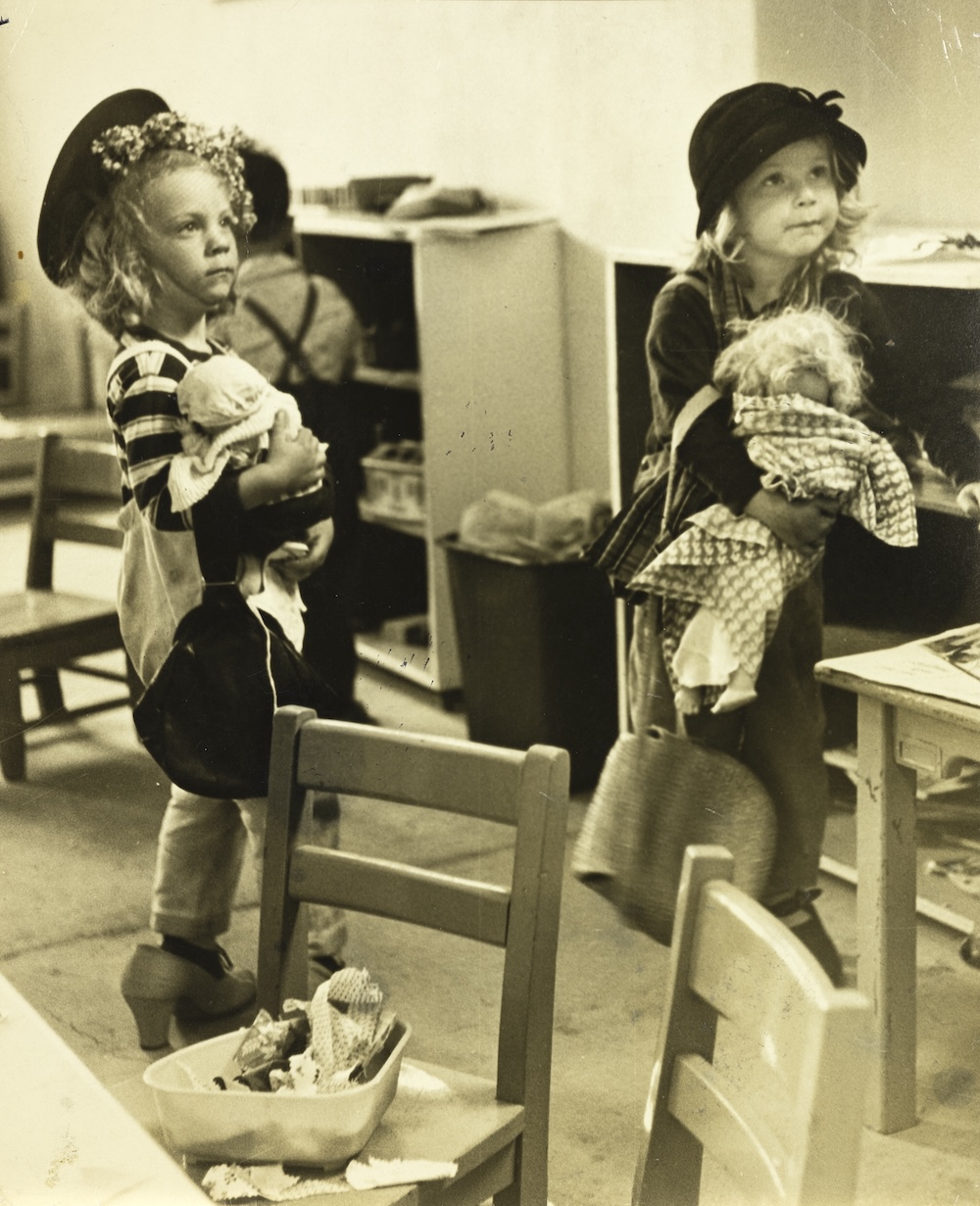
This image depicts two young girls playing dress up. This piece profoundly illustrates how, even to young girls, the role of being a caretaker was the most prominent one a woman could aspire to at the time. While young boys often dream of being presidents and astronauts, this piece depicts how girls are influenced at a young age to dream of being mothers and nothing more. By placing baby dolls in the hands of young girls dreaming about their futures, society shapes their view of what they are worth to the world and what their social limitations are. It communicates that they should only aspire to a role in domestic life.
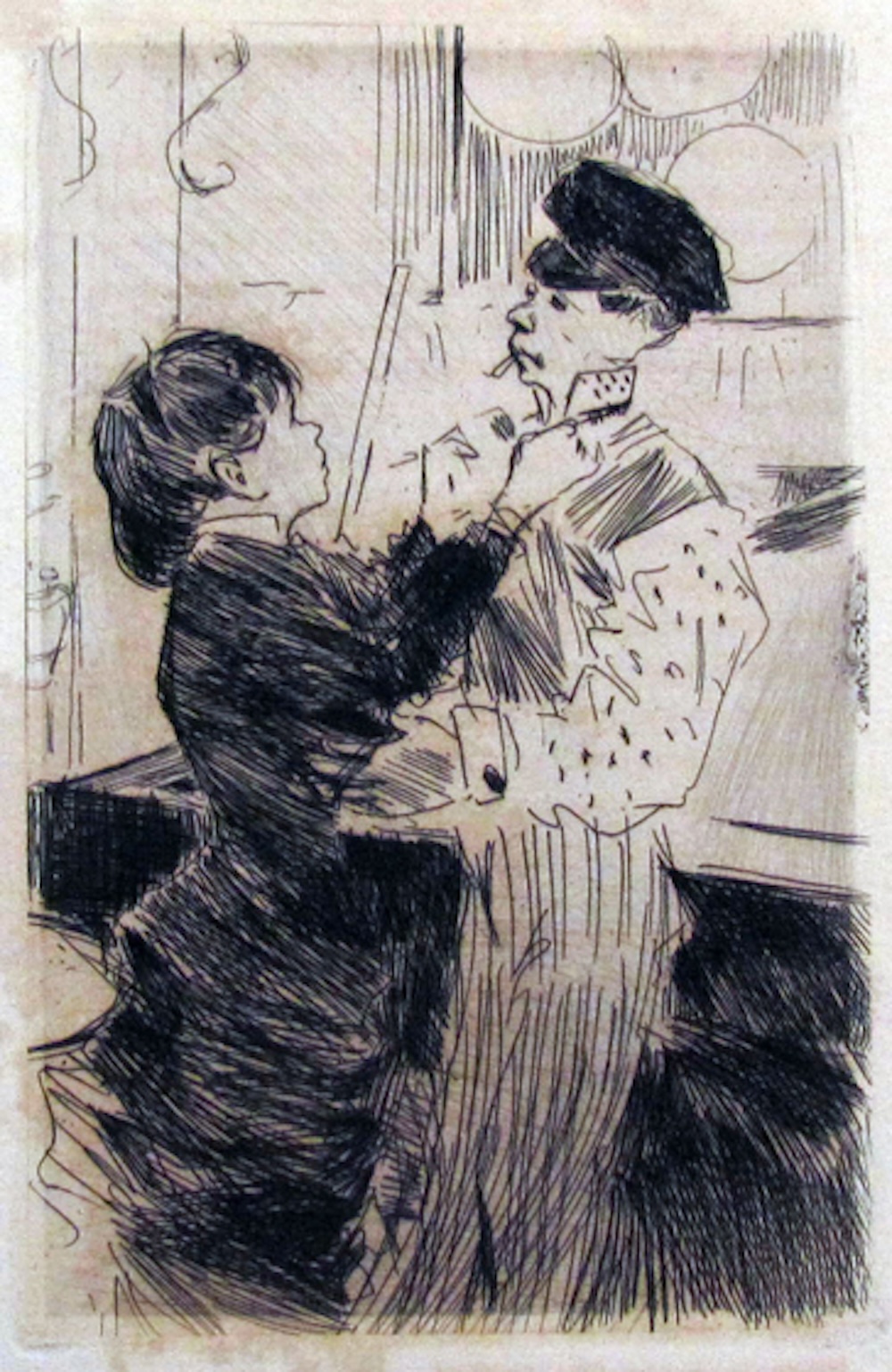
This piece illustrates the traditional role of the woman as the homemaker or the support of the husband. It speaks to a classic way of life, in which women are meant to support their families and symbolize domesticity. In this sense, the individuality and agency of the woman is reduced; most of her facial features are hidden, and her body is amorphous as she acts more as a role than a person. Knotting the tie symbolically represents the often underappreciated responsibilities that women had to take on for the home to function.
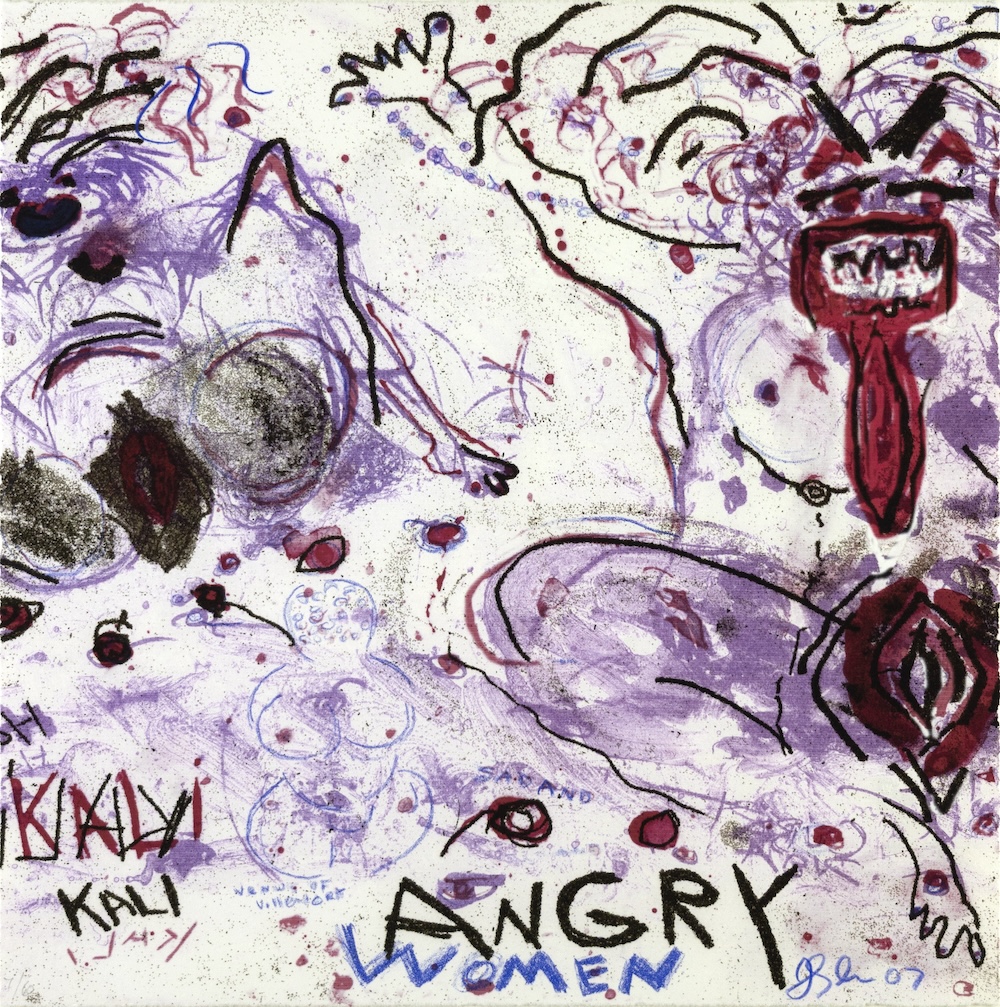
This piece presents an abstract depiction of female anger and political voice. The rough lines, splattered paint and distorted figures convey raw emotion and intensity. The exaggerated mouths and fragmented bodies reflect how women in politics are often portrayed as loud, disruptive or overly emotional. The phrase “angry women” reclaims a label often used to dismiss women’s political participation, suggesting that anger can instead be a powerful and legitimate response to exclusion, inequality and resistance. In addition, the small size of this piece emphasizes how often in society women with nuanced opinions or emotions are often placed in a stereotypical “small” role or in a “box” rather than celebrated or maximized.
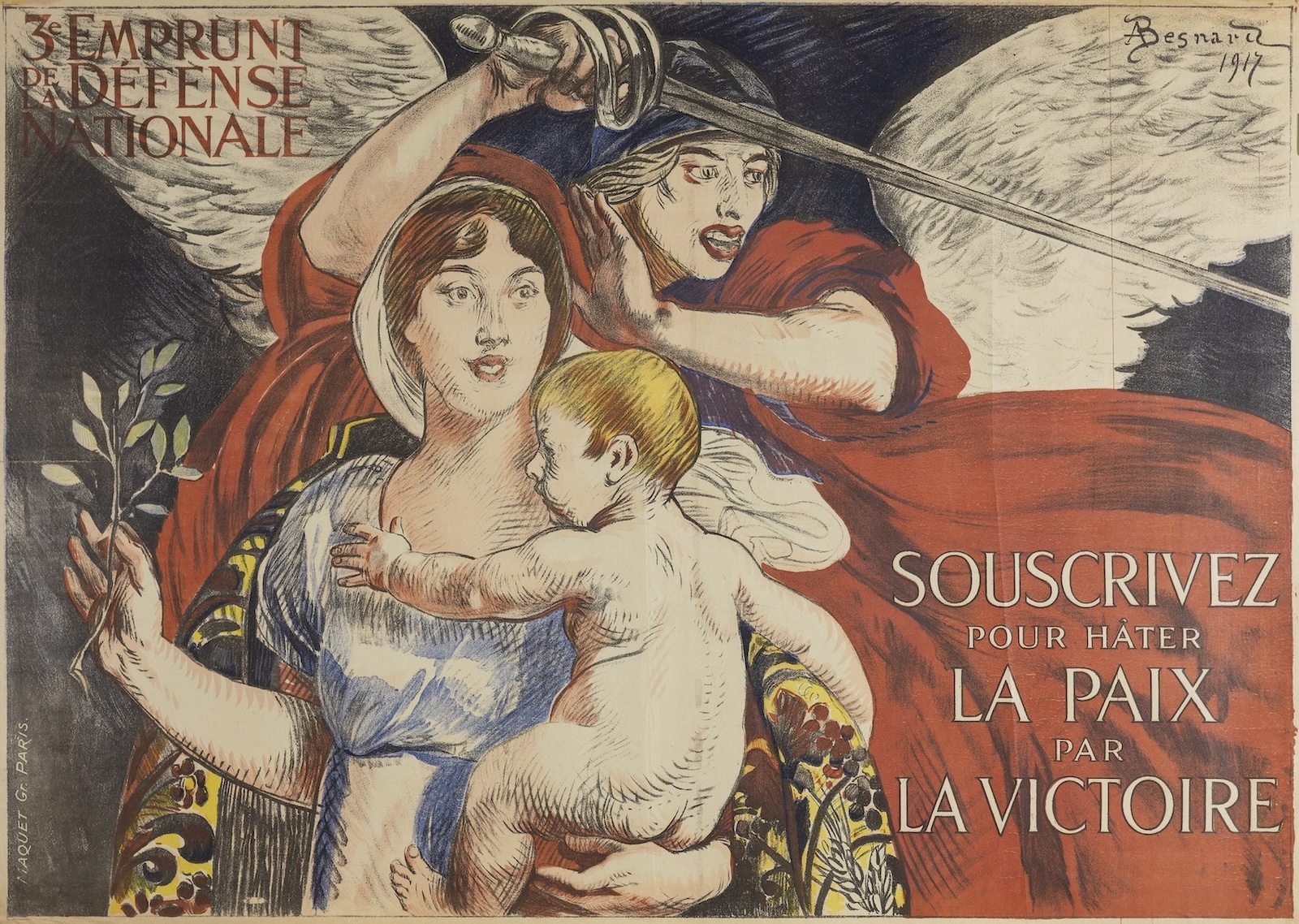
In this World War I propaganda poster, women are seen primarily as symbols. In the foreground, we see the mother and child, representing the nation protecting its citizens, while behind them, the warrior represents victory. This piece uses the personification of both Peace and Victory; the women here are symbolic of France’s greatness, and their likeness is used as a proxy for the state to ask the public for support. The women are invoked as symbols to inspire the audience to ensure a future for France.
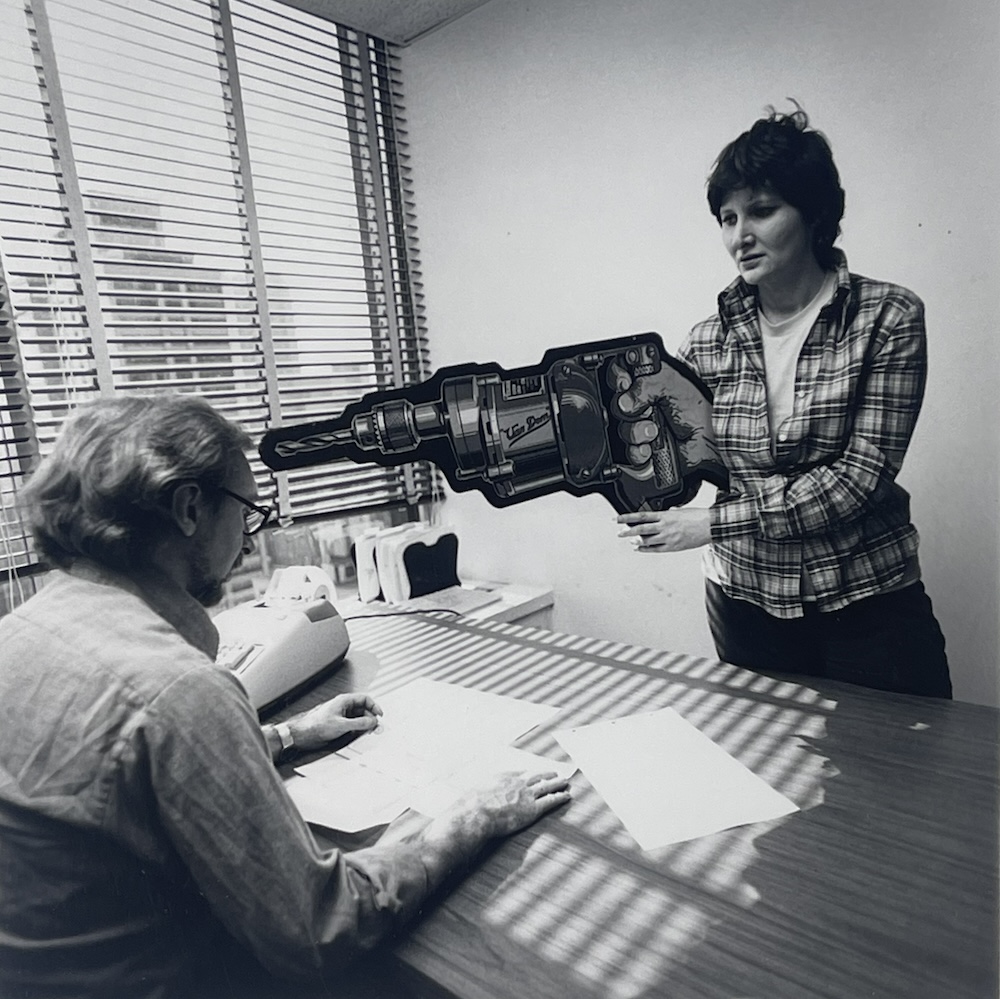
This piece creates a reversal of traditional power dynamics. The drill in the woman’s hand functions as a symbol of force, disruption and confrontation, suggesting women want to challenge established authority. Rather than passive observers, women appear as active agents, internally capable of unsettling male-dominated institutions. The tension in the scene highlights how women’s political participation can be perceived as threatening to existing structures of power.
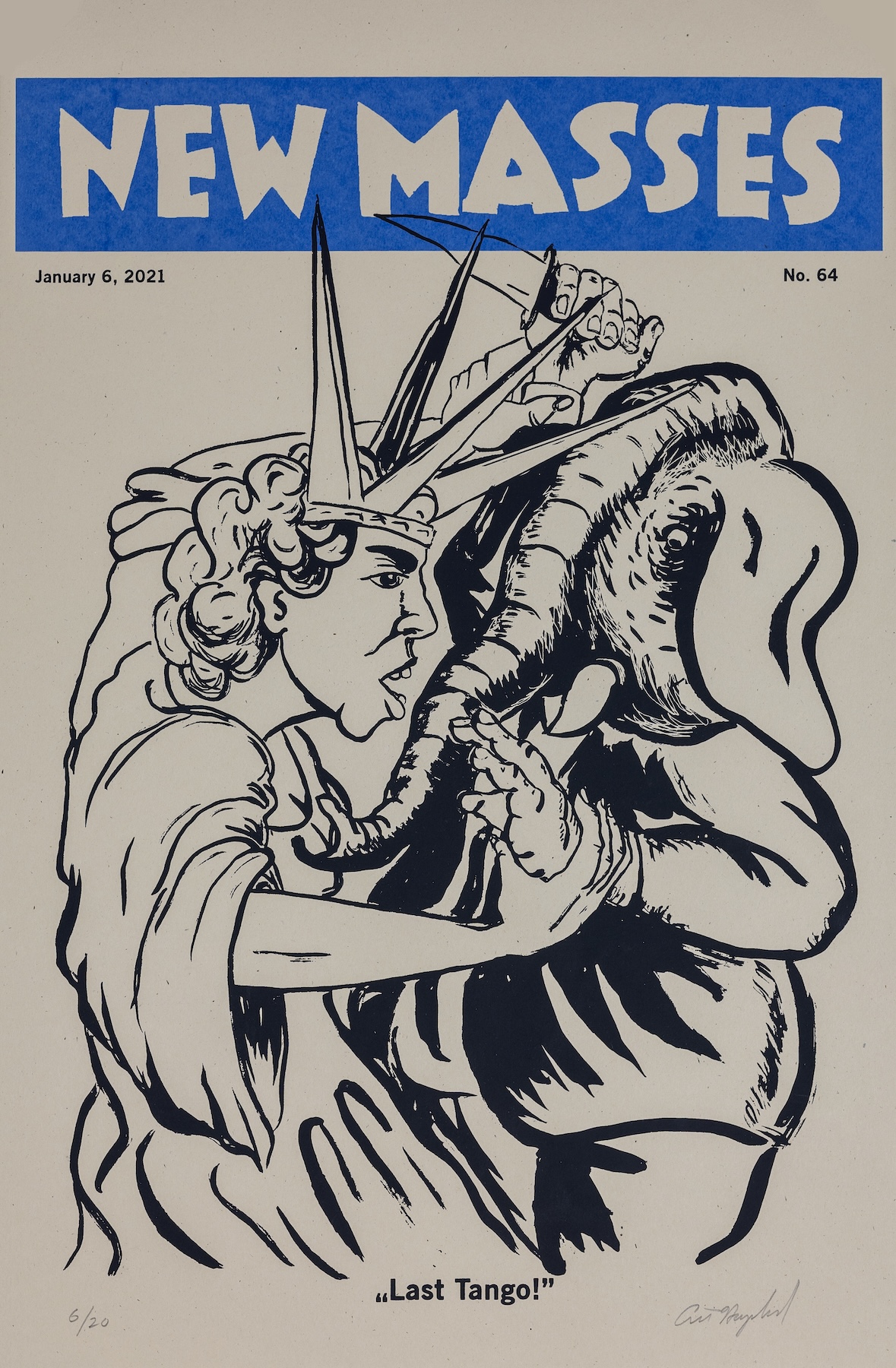
This illustration presents the Statue of Liberty, an iconic female figure, as a symbol of democratic ideals entangled with powerful political and economic forces. As a woman, Liberty represents the nation’s moral voice and the promise of justice, yet she is depicted as under attack. This piece shows the burden placed on women to uphold the ideals of our nation. Viewers may also note that she is under attack by an elephant, the mascot of the Republican party, a party that has often focused on maintaining traditional roles for men and women in which men are dominant in society.
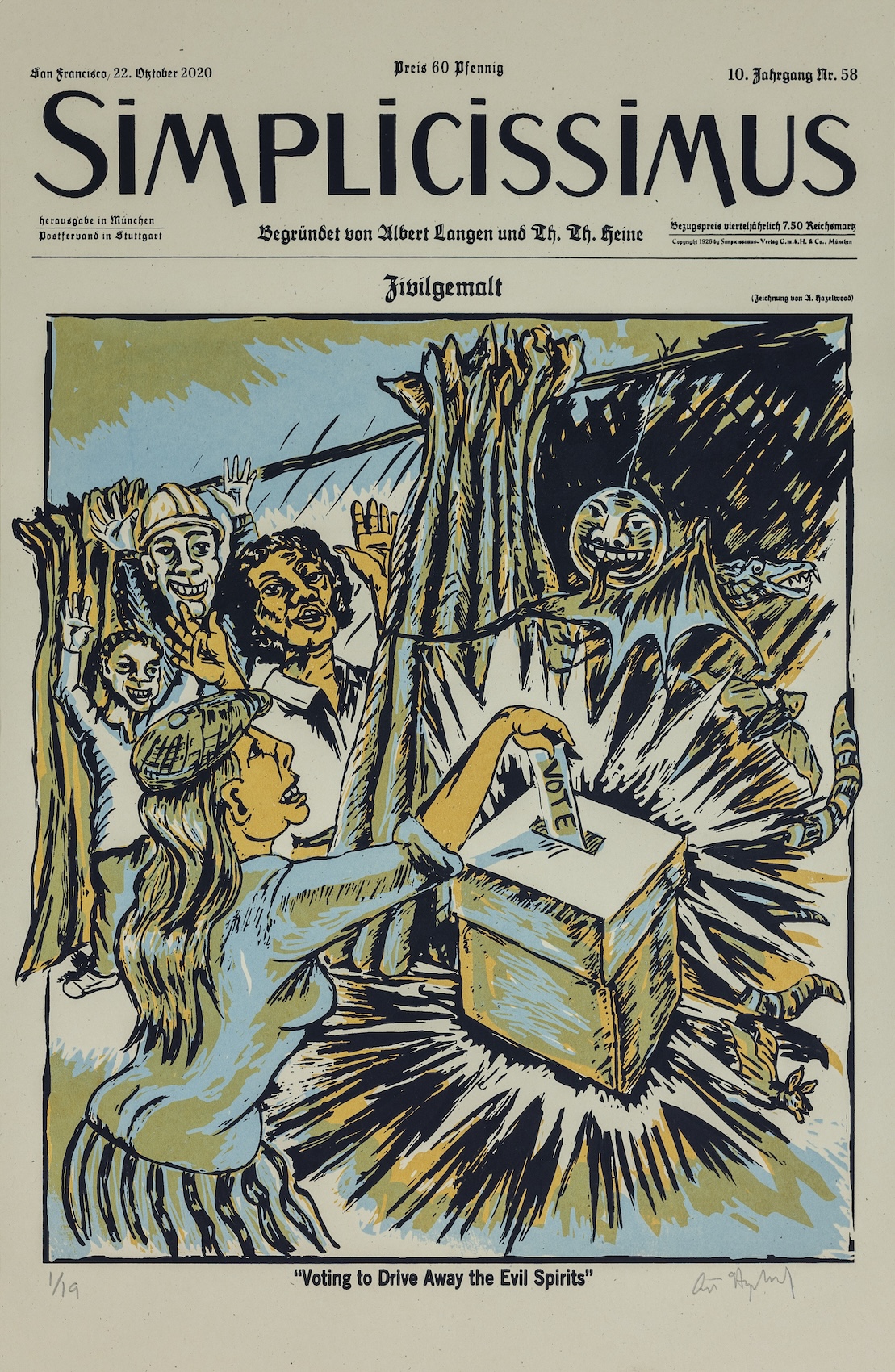
This illustration portrays a woman casting her vote as she drives away evil spirits. The piece depicts that voting power was an empowering moment for women as they fought to combat malicious spirits that could be exemplifying sexism or traditional gender roles that diminish women in society. In contrast to the historical suppression of women’s voices in public life, the actions of women at the voting booth today are crucial to keeping away the forces that still seek to minimize their place in society.
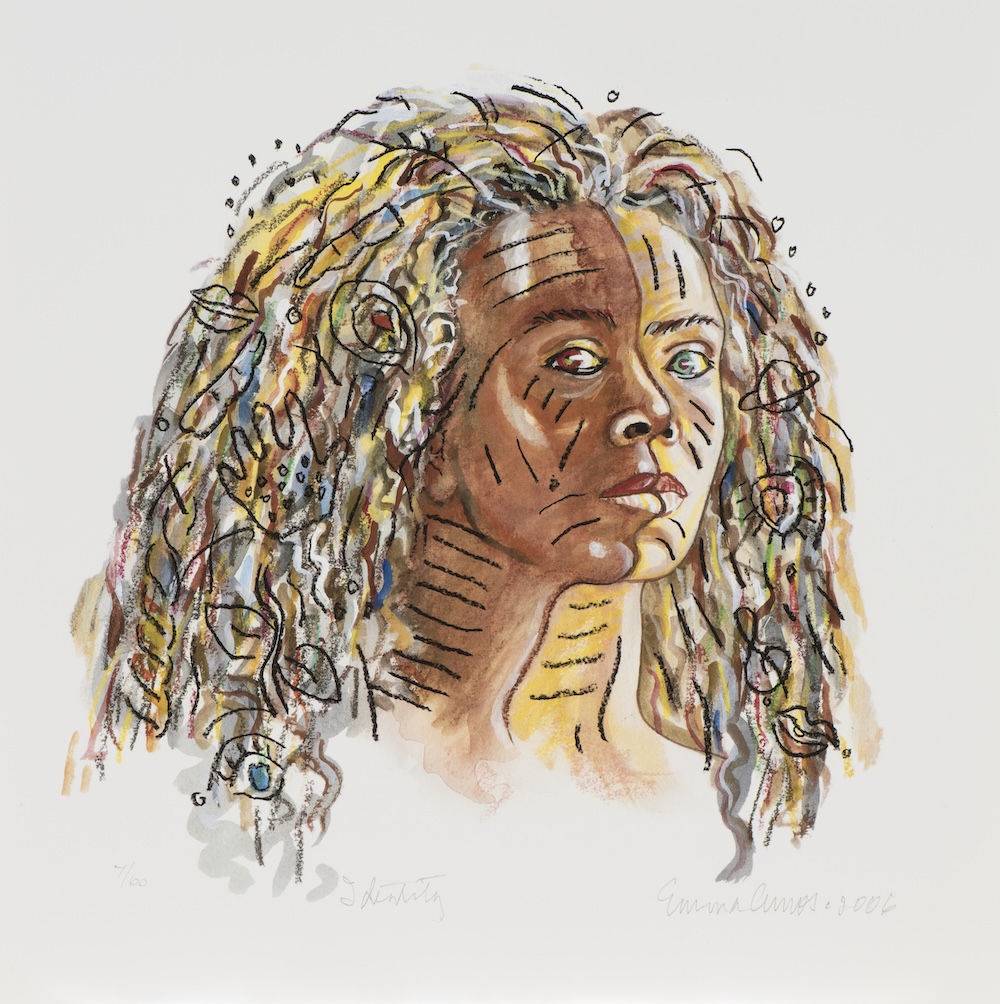
This print is part of “Femfolio,” a portfolio of prints by 20 leading women artists who started the feminist art movement in the 1970s. In “Identity,” a woman of color looks at the viewer with a dark line down the middle of her face, splitting it into two distinct faces. Looking closer, we can see lips, planets and hands in her hair. While this piece portrays a woman, she is used as a symbol, inviting viewers to think about race, culture and personal identity. Amos works to depict the various things that make up one’s identity, whether that be a love for plants (there is a stem in the woman’s hair) or a love for music (as seen in the music note) while also showing that all of these things lead to one, coherent person. The woman is used as a symbol to demonstrate the concept of identity as opposed to being the focus or theme of the piece in and of herself.
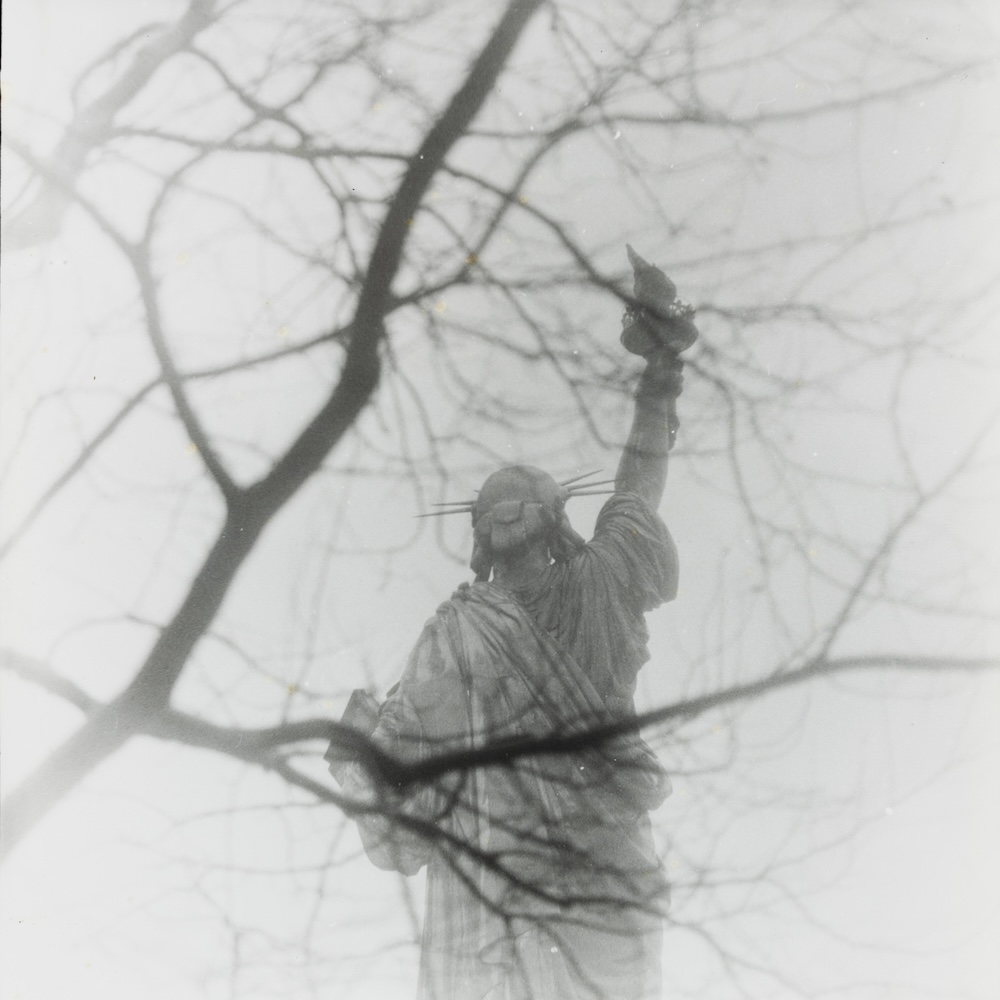
This piece seeks to capture a raw but uneasy image of an American symbol of freedom during a period of conflict and societal change. The photograph hides Lady Liberty behind haze and trees to show how the symbol of hope can often seem hidden in times of turmoil. Despite American history predominantly having male figures in government power, Lady Liberty is a female figure who embodies the democratic bedrock of America and the progress of freedom obtained through the founding of the nation. Lady Liberty symbolizes enlightenment from her torch and the Rule of Law tradition with the tablet she carries with the date: “July 4th, 1776.” Her light and beacon are symbols of the end to tyranny and a guide toward freedom, even when temporarily obfuscated by fog.
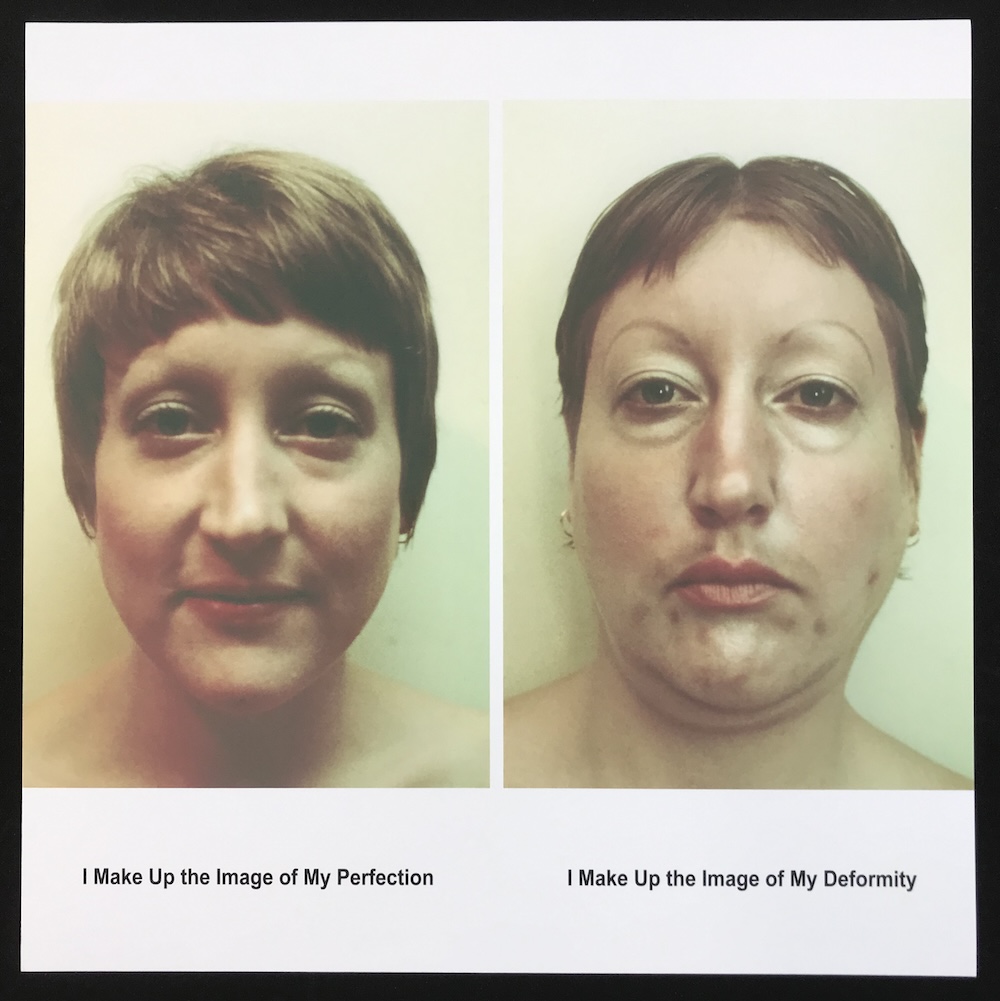
Martha Wilson’s unique self-portrait presents two contrasting versions of the same woman. On the left, she portrays herself as polished and composed, wearing makeup and a small smile. In contrast, the right-side reveals “imperfections” such as under-eye bags, acne and flat hair, inviting viewers to consider the tension between self-perception and societal expectations of women. Created during the era of third-wave feminism, the work reflects the movement’s emphasis on individuality and perception. By comparing these two images, Wilson challenges conventional beauty standards and illustrates the differing ways women are often encouraged to see themselves.
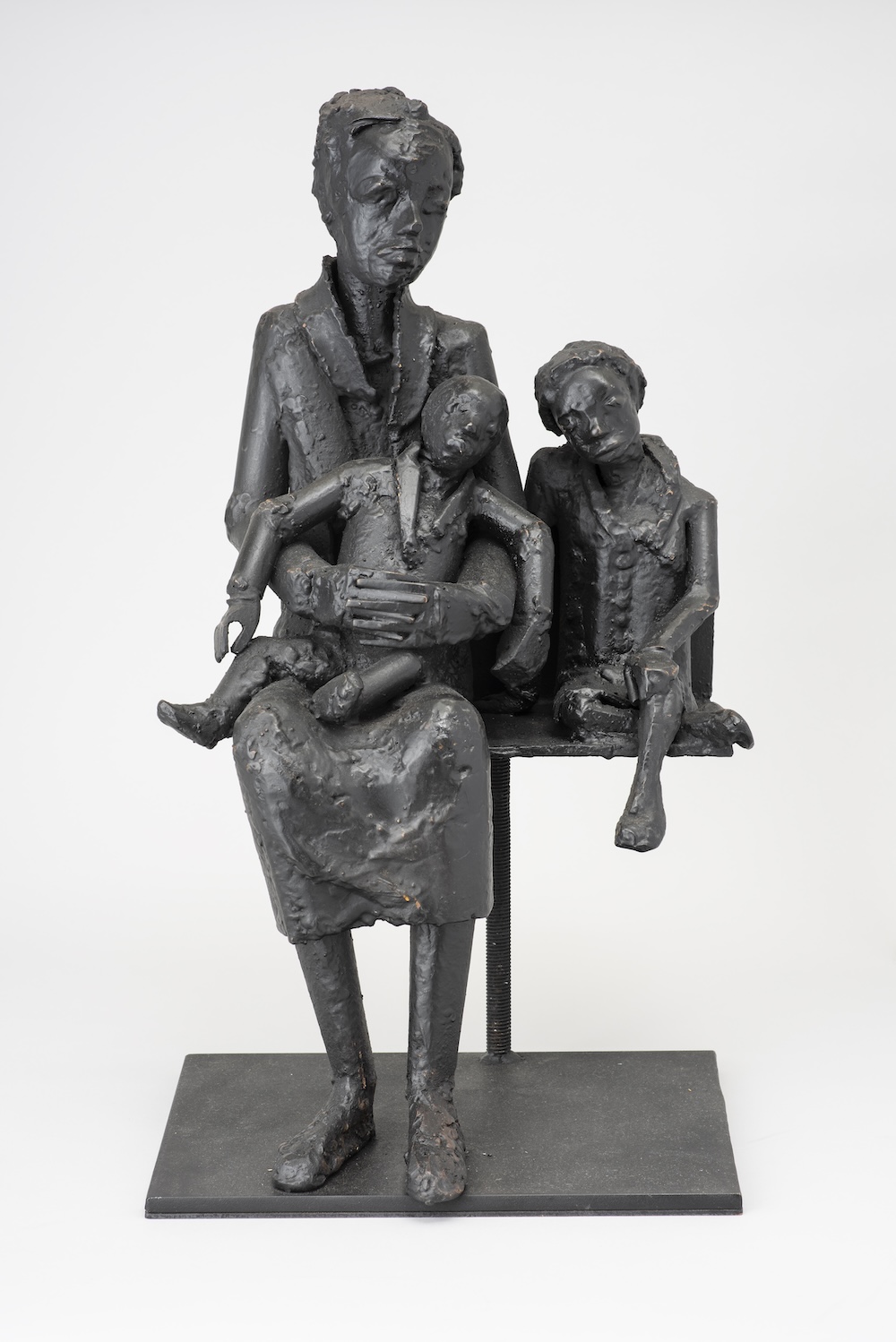
This piece depicts a woman picking up her children after daycare. It captures the often overlooked “second shift” that many women perform following a full day of outside employment. Through the artist’s use of welded steel, they also suggest the physical and emotional strength necessary to balance the challenges of work and domestic life. The medium’s hardness also challenges traditional ideas of femininity.
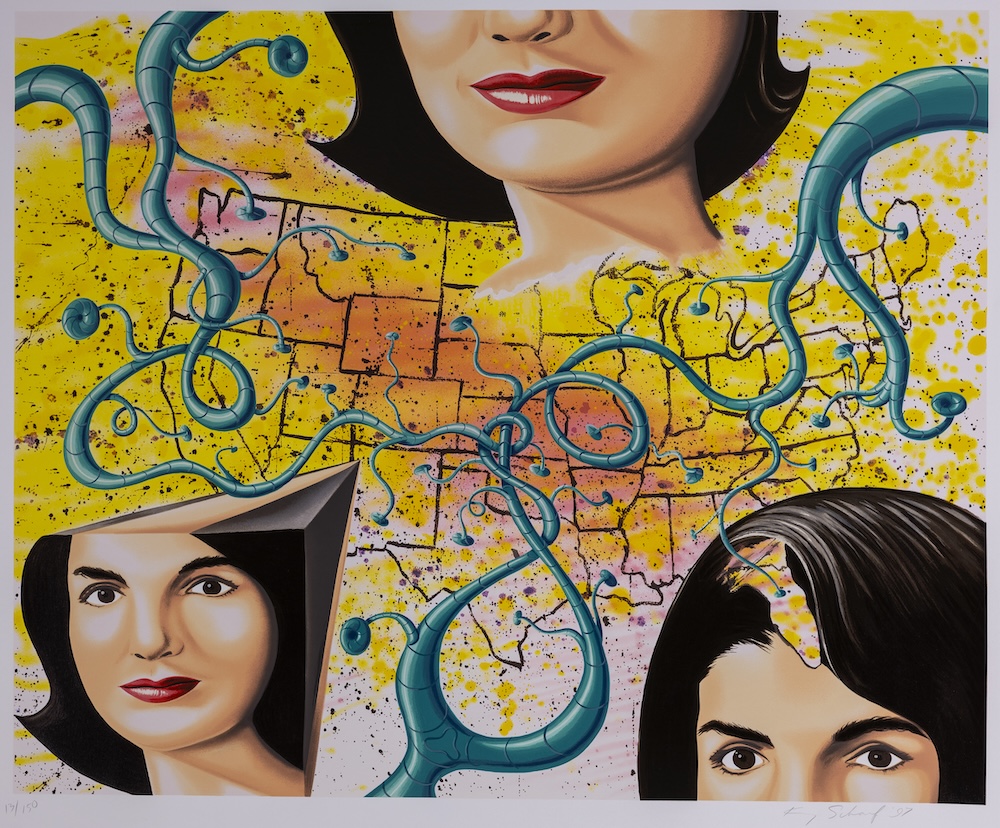
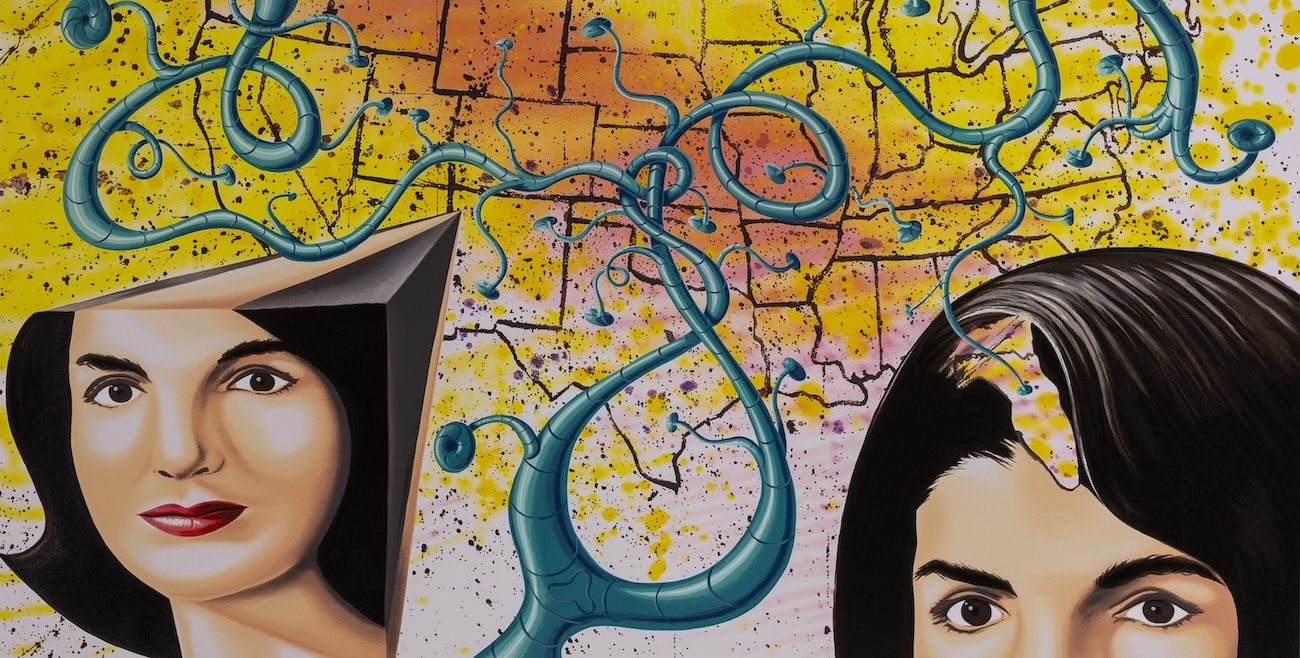
This work shows three faces of Jackie Kennedy that span continental America. Additionally, the author portrays branches that are woven throughout the country. These branches that reach almost all parts of America symbolize the effect that Jackie Kennedy had on the American people. Ultimately, this illustration depicts Jackie Kennedy as a prominent political figure that extends her influence to all of the American public. Rather than a political figure detached from society, Jackie Kennedy was in touch with the people and was the start of a new era for women in politics.
Explore More Online Exhibitions
Want more? Check out some of our other online exhibitions.
Poems Inspired by Photographs
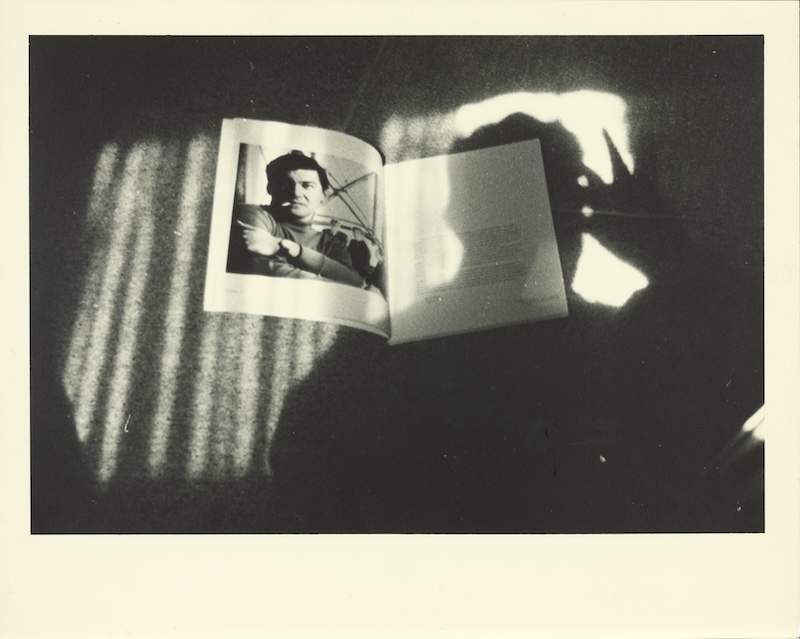
Andrew Zawacki’s Advanced Creative Writing (English 4803W) students participated in unique, challenging workshops centered around ekphrastic exercises inspired by photographs in the museum’s permanent collection.

What Are You Voting For? Light, Dark, and Truth in American Politics
“What Are You Voting For? Light, Dark and Truth in American Politics” explores the duality of politics.