Poems Inspired by Photographs
As an academic museum, the Georgia Museum of Art provides experiential learning and research opportunities. One way that the museum fulfills this role is by welcoming faculty members from across disciplines at the University of Georgia to use the museum as a resource for their classes.
Andrew Zawacki, distinguished research professor for the creative writing program at UGA’s Franklin College of Arts and Sciences, brought students from his Advanced Creative Writing class (English 4803W) to the museum for a series of three workshops this past semester. As part of their coursework, students participated in unique, challenging workshops centered around ekphrastic exercises inspired by photographs in the museum’s permanent collection.
Ekphrastic exercises involve writing in response to a piece of visual art. These exercises invite dynamic descriptions and personal interpretations of the artwork. In this case, Zawacki asked his students to write poems inspired by and in response to one or more photographs that they chose.
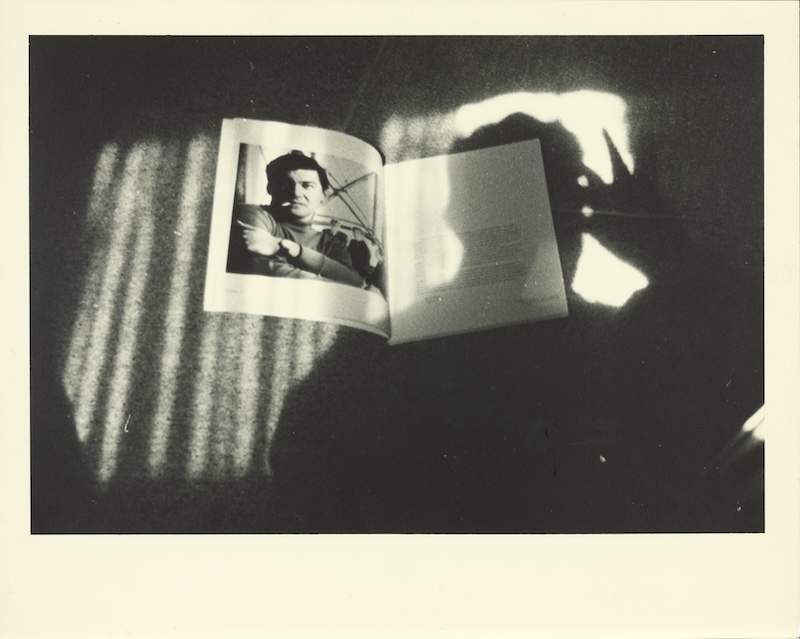
A Standoff Between Shadow and Self
By Harper Nichols
A longing look into the light,
Raise my hand to shield my sight
An image burns beneath my hand
And the shadow of an unknown man
Floats away into the night
My eyes now open, his form dissolving,
A fleeting shape, forever evolving
With my fingers i trace,
The shadows of his face
Turned, to catch the light
He leaves without saying a word,
Or putting up a fight
Yet somehow,
He’s familiar
In a long forgotten way
I reach my hand out further
To ask him to stay
But the chapters almost over,
The book about to close
There are shapes on the page
Unreadable words,
Making them out my eyes become blurred
Detailing a life forgotten
Like a shadow on skin
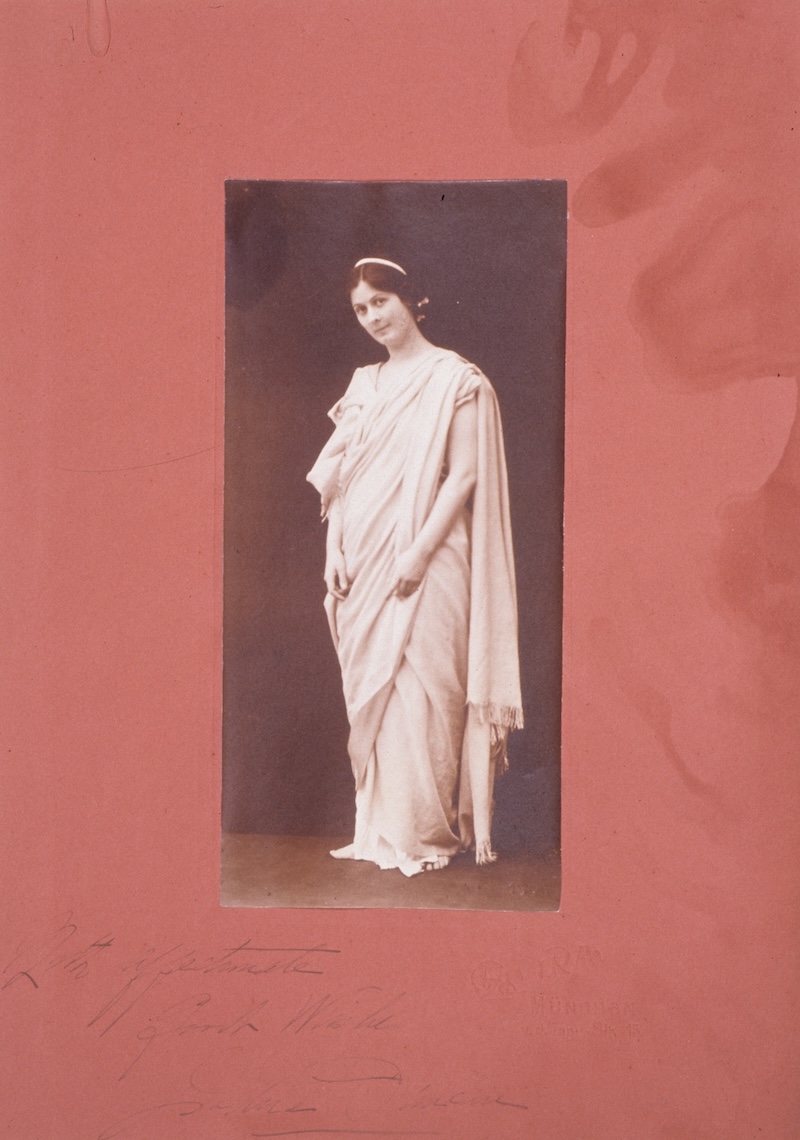
Death in Stagnancy
By William Hawkes Corbett
Look to her hands
below her arms
a dancers tell, they hang
Bras bas of studio still,
sting of shutter frame
Aftershot the curate
of a costumed lens
Her new heroned place,
still bird of still wind
Yet true stage
of atavism found
Her bare feet uncease
of pirouetting sound
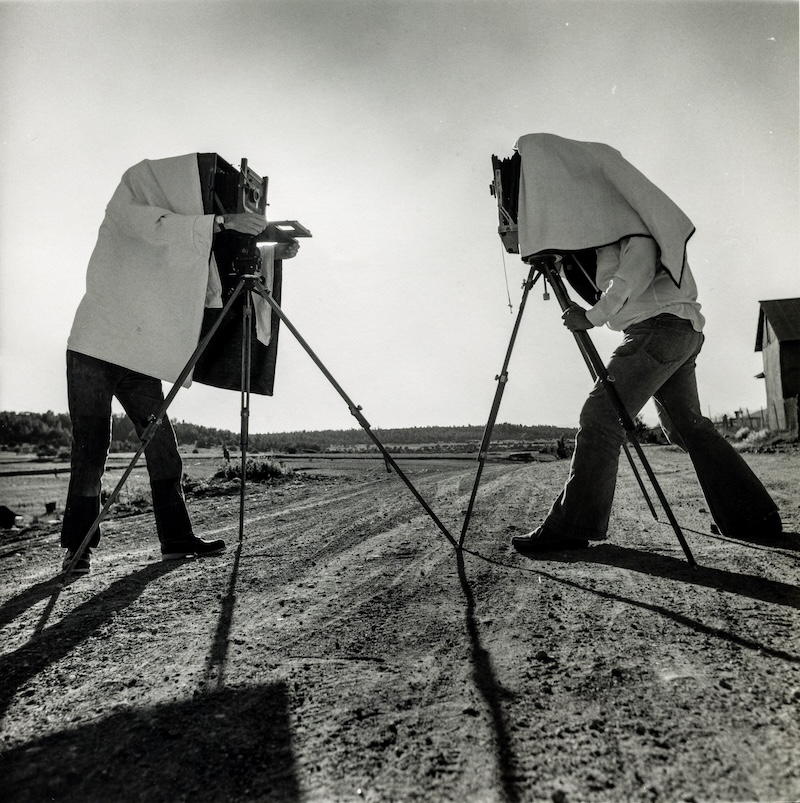
The Outing
By Henry Levitt
The accordions of witch-doctors
Descend in the plain-brush as conductors,
Honing to lance a swollen moment,
View-finding a landscape no more potent,
Than the eye hidden behind
Sterling plates with capes to remind
Of hijinks in Enchantment.
I’m seeing you, watching me,
Through a porthole by which
Neither you, nor I, nor we
Know of our obscura sandwich.
A coincidence of reflecting lines,
Our voyeur on void dines,
Sir, I’ll have it open face,
Is my ignorance no disgrace?
We are rubble-rousers in a ring
Eager, hunched, lunging goads
At enemy soles in rust from spring
Decades ago, exposed until one corrodes
Into the red-wrought ground
That Mr. Tress hasn’t been around
Since our camera club outing.
And for all you know, we may still be standing there, waiting to capture our timeless shot.
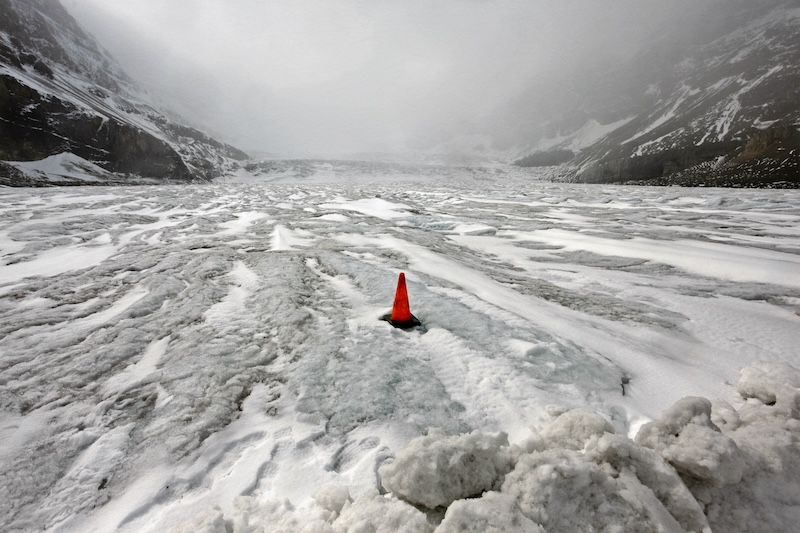
laments of a traffic cone left on a melting glacier
By Ava Scolaro
desolate and white,
i lose myself in layers and layers of packed ice.
i am alone, maybe for minutes, maybe for years.
sometimes i am blessed in passing;
occasionally a stray like myself,
alone in the sea of white.
moving with a purpose, away from my solitude,
who would voluntarily choose to stay?
my legs are imaginary and can only carry me into dreams of sand and sunshine.
the quiet is a double-edged sword,
i have no noise to pass the ever-coming time,
but i am also not drowned out by constant sound.
but it is all so incredibly nice.
my view of the stars is uninterrupted,
no lights of highways to pollute my sky.
i have all the time in the world to sit and linger,
no rush or timer to control my existence.
i have millions of minutes to watch the landscape i was placed in.
so maybe not so bad at all.

Turning
after William Carlos Williams
By Flora Trameri
According to McWillie
when the beaches
were born
they were born
of a
twister
from which
also the clouds
emanate
the beachgoers
and gulls arrived
with them
fully formed
unfazed by
their own births
Interstice
By Kiernan New
Passion extinguishes as a flame
Without wood or heat.
Deflating absence remains
In the ashes of its memory
Fluttering in the wind, those specks
Cease in their existence,
Sputtering meekly into the void
Of the depths between life and living.
A trail of bleeding energy writes
A story all too familiar and seen;
Witnessed by many, lived by fewer,
And understood by none.
Caught between extremes, lay
A heap of human-making, both
The pile and its purpose hidden
Beneath a veil, gossamer as it was heavy.
Doldrums
By Kiernan New
Marked and torn asunder sits
A form once thought to be
Unshakable and strong.
How wrong they were.
Beneath the body, grey sands sink,
Above it the heavens sing and shimmer,
Yet beside is but a thin line between
Abyssal ice and an Icarian sun.
Eyes welled with tears beheld
A sight of singular splendor,
Neck craned and placed upon
A pillow of ashen dunes.
The dust swirled in the sea’s breeze,
Wounds salted as was the Earth’s,
And carried with it the remnants
Of that now forlorn, proud soul.