The Georgia Museum of Art has a long-standing relationship with the Samuel H. Kress Foundation, an organization that has helped elevate the museum’s status as a major center for the study of Italian Renaissance art in the U.S. During his life, Samuel H. Kress amassed a collection of over 3,000 Old Master paintings and art objects from the 13th to early 19th century, and founded the Kress Foundation to advance the study, conservation and enjoyment of European art. The entire collection went to nearly 90 different institutions across 33 states, with the Georgia Museum of Art receiving 12 paintings in 1961. Since then, the foundation has continued to support the museum by sponsoring temporary exhibitions, publications, symposia and the building of a dedicated gallery to house the collection.
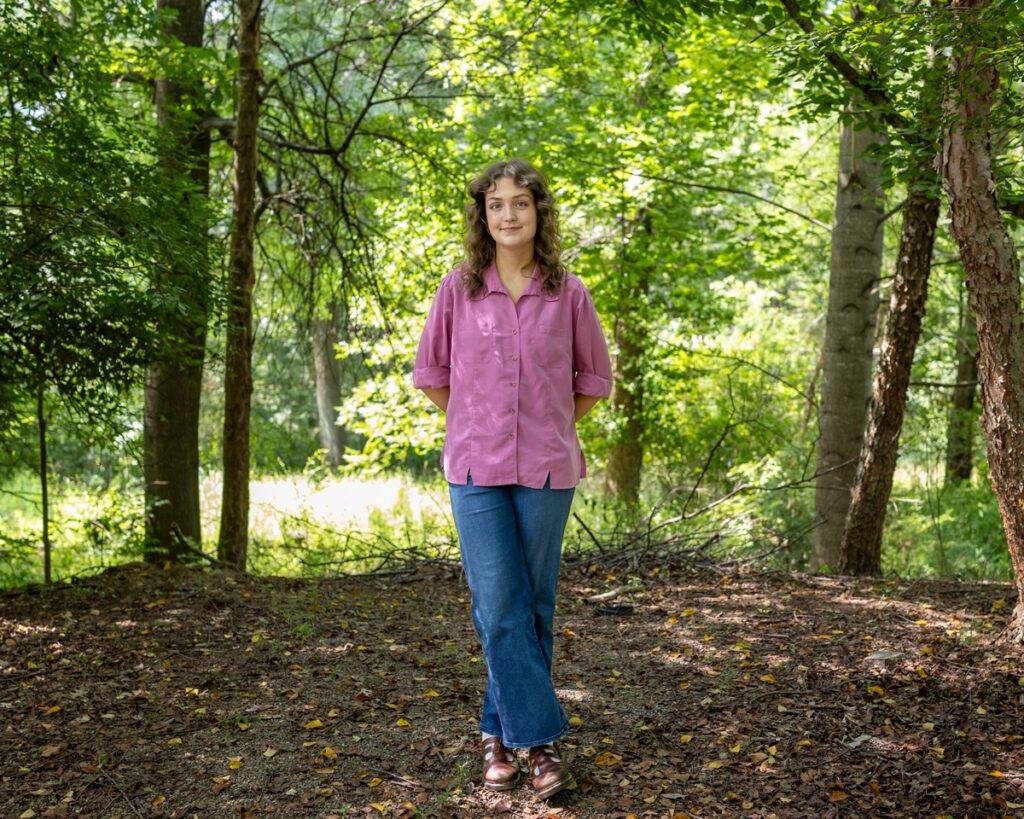
One of the newest scholars working at the museum is Katherine Rabogliatti, a doctoral student at the University of Maryland who studies early modern Italian art with a focus on gender and identity. Rabogliatti first joined the museum as a Pierre Daura curatorial intern in the summer of 2024. She’s been the Samuel H. Kress Research Fellow, a new position funded by the Kress Foundation, since January.
As an intern working with Nelda Damiano, the museum’s Pierre Daura Curator of European Art, Rabogliatti assisted on the reinstallation of the museum’s Kress Gallery, where she got hands-on experience writing labels and wall text. Now, in her fellowship role, she is focusing on an ambitious project for 2026: an exhibition featuring artworks from Kress collections nationwide.
A major part of Rabogliatti’s work is connecting with museums that own Kress objects. “Because our exhibition will look at understudied [works] and/or works in storage,” Rabogliatti says, “We are collaborating with museums to update records of each Kress works’ condition, exhibition history and related scholarship. Nelda and I will use these responses to create an exhibition checklist and request specific works from the many museums nationally.” Their ultimate goal is to tour the exhibition after it opens in Georgia so that more people can discover these lesser-known works.
As part of her research, Rabogliatti is using important digital resources, such as the Kress Collection Digital Archive, which not only contains information about repositories but also individual works. The Kress Foundation website is also another valuable resource that she will use to investigate Samuel H. Kress’ collecting strategies and the collection’s history.
Rabogliatti says that “we’re still in the beginning stages of organizing the exhibition, but I’m excited to get more into it as the year progresses.” Through her research and outreach, Rabogliatti is helping shed critical light on lesser-known works from Kress Collections and inspire new conversations about Renaissance art. As she continues with the project, she’s honoring the Kress Foundation’s mission to make great art accessible to as many people as possible.
Authored by:
Rachel Dantes-Palmer