

Food for Thought
Food is a basic necessity. This is a simple fact, yet our relationship with food is complex. Food is often more than just sustenance. What we eat, how we eat and who we eat with tell important stories of community, access, division, memory, culture and tradition. Who grows the food that sustains us, and who has access to healthy, nutritious meals? What connection do we have with the labor and supply chains that bring food to our tables? What rituals or traditions do we associate with food and communal dining?
Whether it’s a quick meal alone at a café, enjoying a cup of coffee as part of a morning ritual or a festive meal with friends and family, food nourishes us. Meals create a space where people gather to share food, wisdom, laughter and perhaps gossip. Dining also brings up complex questions about access, food production, labor practices and sustainability. The images and objects presented here offer “food for thought,” prompting us to consider how the way we eat reflects the human experience.
Dr. Callan Steinmann’s FCID 5010/7010 (Introduction to Museum Studies) class developed this pop-up exhibition over the course of the fall 2024 semester. Students selected objects from the collection that explore themes of food and community and worked in groups to research them and write interpretive object labels.
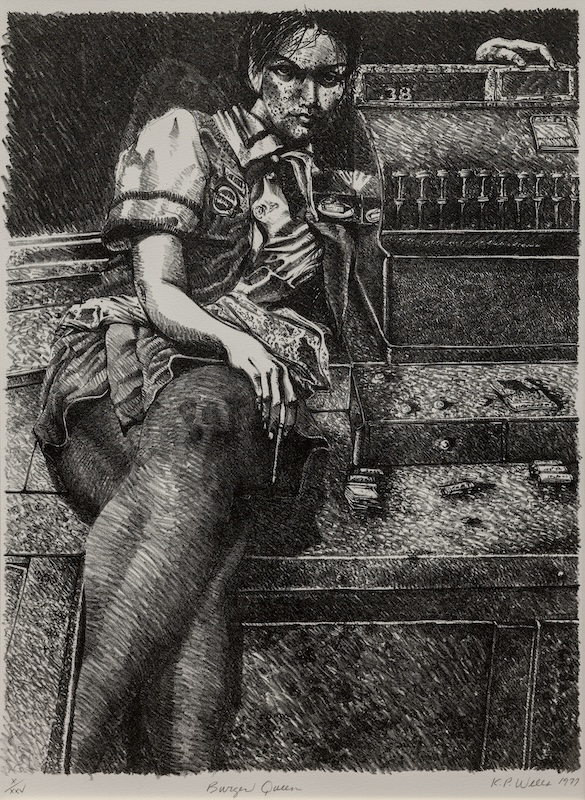
Kimball Wells’ works invite us to reflect on our changing associations with food. With the rise of fast-food companies in the 1960s, perceptions of a typical meal began to change. We could order a meal and within minutes have it in front of us. We do not participate in the cooking process, nor do we have a connection with those who did. Identifiers associated with mealtime, like the kitchen, table or food, are not present in this image. Instead, we look out from behind a counter at a woman with her arm across a register. Both she and the viewer are separated from the process of making the food. Do you feel that her appearance reflects the practices of the fast-food industry?
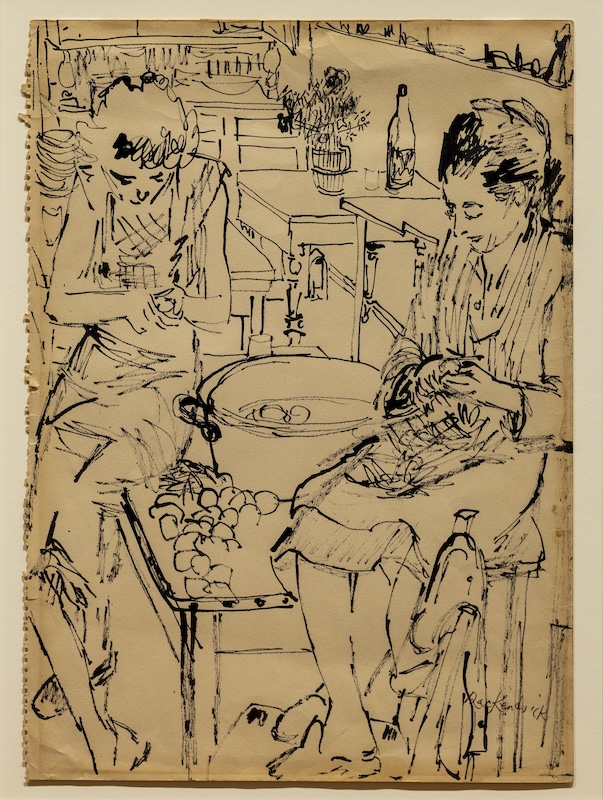
The daughter of Russian emigrants, Lillian MacKendrick grew up in New York. While inspired by European masters, she ultimately moved away from Western styles, finding them “too violent.” Instead, she sought inspiration from artistic traditions that conveyed harmony and stillness. This piece captures a moment of quiet labor in muted tones. Two women sit together, peeling vegetables — an intimate, shared act that reveals the everyday work involved in preparing food. This simple scene invites us to consider who traditionally performs this labor and how food becomes a way to connect and nurture. In the act of preparing a meal, food becomes more than nourishment; it is a means of bonding, storytelling and remembrance.
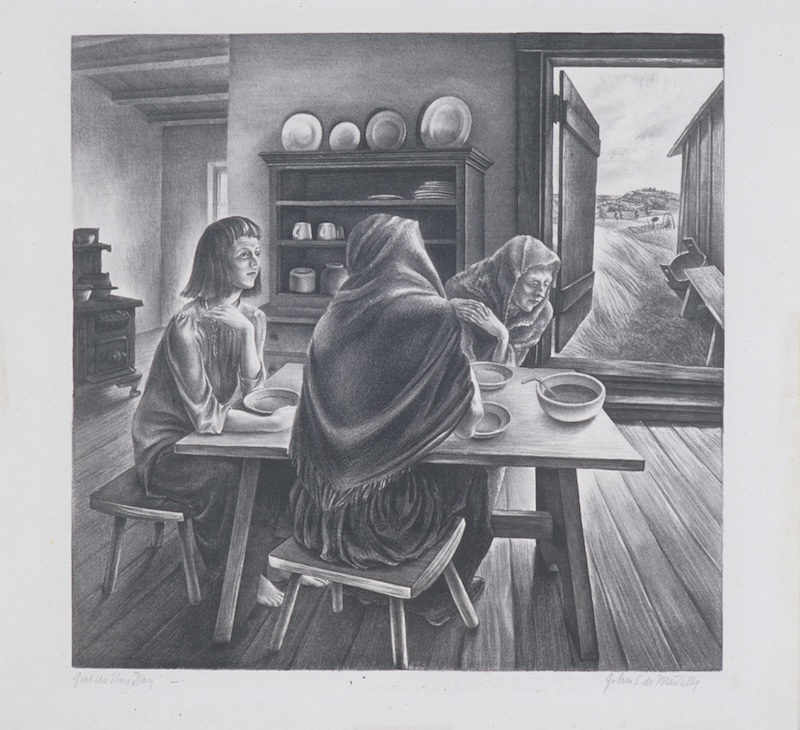
Lithography is a printmaking process in which the artist draws on a flat stone. They then affix the image through a chemical reaction and transfer it to paper. John Stockton de Martelly published his prints through the Associated American Artists as a part of the regionalist art movement. These artists showed realistic scenes of rural American life, especially of people affected by the Great Depression. The figures here pray before eating. Do you feel this is a realistic scene of American life? Is it still applicable today? Are there any rituals that you conduct around meals?

Many of George Grosz’s pieces reflect the political climate of the first half of the 20th century. Grosz demonstrated a deep distaste for Germany’s upper class and their complacency with the growing Nazi party. An influential founder of the Berlin Dada movement, he was declared an enemy of the Nazi state in 1933. The wealthy subjects of this piece feast on a meal together, a blessing — but not the result of their labor.

Simpson’s sculpture showcases three wishbones in a cedar box, each made from a different material: bronze, ceramic and rubber. The tradition of wishing on poultry bones originated with the ancient Etruscans in Italy, who believed that stroking a wishbone would provide luck. It was later, in medieval Europe, that two people came together to snap the bone in half. By presenting a wishbone in three materials of varying resilience, Simpson implies the flexibility and individuality of the human form, suggesting that the strength of a wish depends on its substance.

Early in his career, John Lapsley studied fresco painting with Jean Charlot. This former assistant of Mexican muralist Diego Rivera arranged for Lapsley to meet with Rivera and watch him work in Mexico. Much like the Mexican muralists, Lapsley focused on the working class and cultural pride. These themes emerge here as Lapsley depicts a quiet and caring moment between a southern working-class woman and her elderly mother. His image captures the beauty of mundane moments and the significance of food for people of all backgrounds.
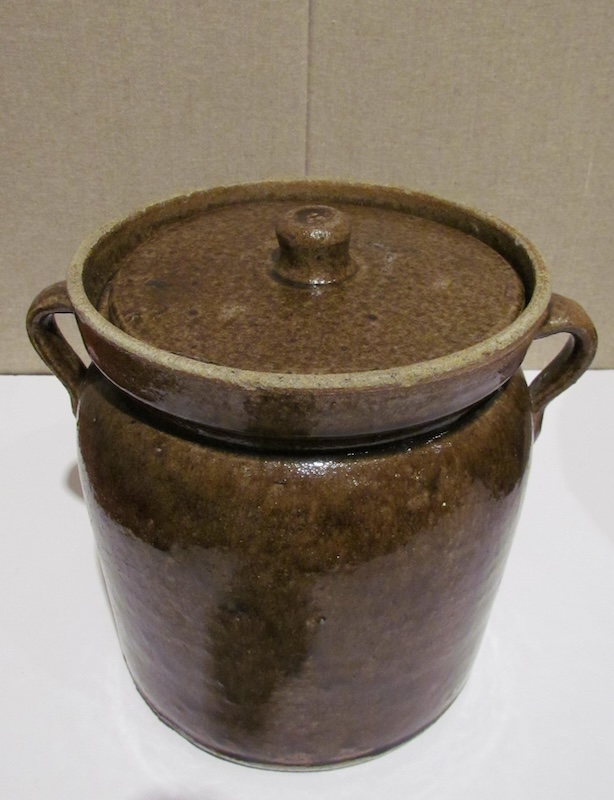
Bean pots were a common form of cookware in the 19th century, when communal ovens were still common in most communities. Typically ceramic, they have small handles and matching lids to keep food fresh. When the bread had been baked and only coals remained, families would fill their bean pots and place them in the slowly cooling ovens overnight. When morning came, families would gather for a warm breakfast from their individual pots. While we may not use the bean pot for its intended purpose, families still pass them down. They serve as a good reminder that community makes a meal no matter where, or in what, it is cooked.
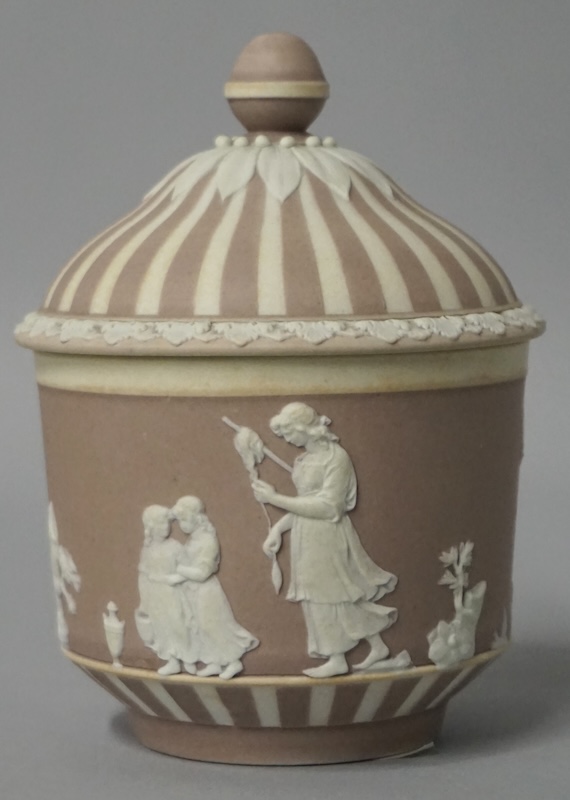
Jasperware is a widely revered type of unglazed and often colorful stoneware pottery pioneered by Josiah Wedgwood I. This dainty sugar dish decorated with elegant scenes from antiquity, this modest piece of jasperware hides the scars from a centuries-long history of servitude. At the height of the transatlantic slave trade, Wedgwood ceramics were in demand, and the rise of forced labor led to greater sugar outputs. The tedious process used to create these pieces often meant that Wedgwood jasperware was part of an upper-class dining experience. This is still true today as every detail is still made by hand.
Learn more about how Wedgwood jasperware is made in this video.(opens in new tab)
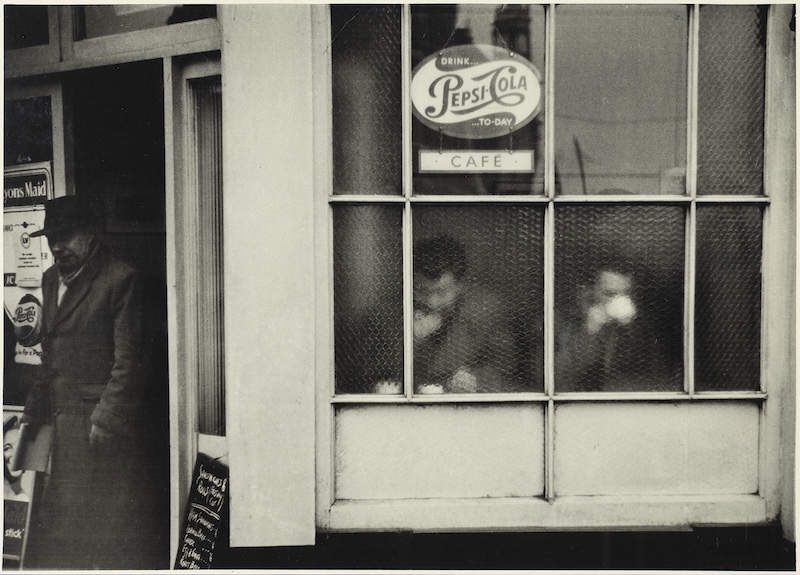
Born in Hong Kong to a Chinese mother and an English father, photographer Lewis Morley was interned by the Japanese during World War II. After the war, he emigrated to Britain and joined the Royal Air Force, where he was introduced to cameras and photography. He helped capture the image of Britain’s “Swinging Sixties,” a period of youth activism and sexual liberation. “Café, London” shows people drinking, eating and leaving a café. The two people sitting next to each other don’t interact despite their proximity. Both are wrapped up in their own worlds. A Pepsi-Cola sign hangs prominently in the window, and several ads appear near the door.
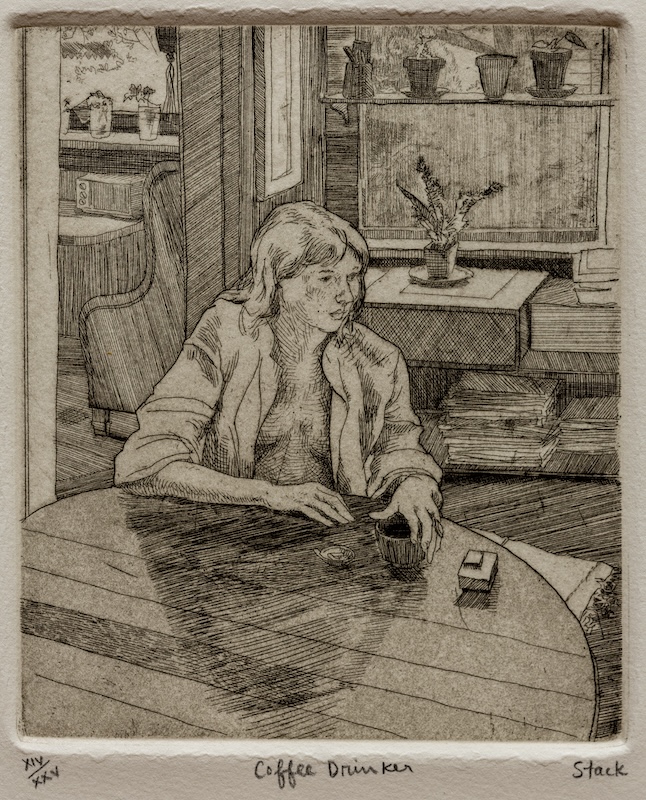
“Coffee Drinker” depicts a familiar scene of a woman taking a moment to drink her coffee. It features ideas of domesticity and femininity, common themes in Frank Stack’s works. The artist uses his signature delicate detail to convey a sense of peace and highlight the elegance of the everyday world. Daily routines are often built around food, but they are so much more than their purposeful repetition. Stack presents these daily tasks in a new light. This piece reminds us to savor these special moments of life and to actively look out for them. Where do you find beauty and joy in your daily routine?
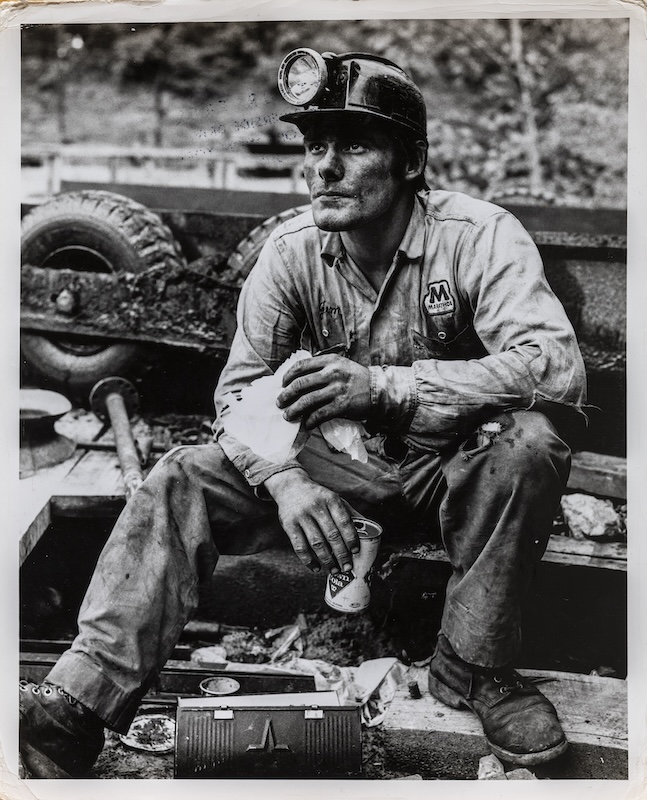
Arthur Tress is a New York-based photographer known for combining fantastical surreal elements and real life. He took this photograph in Lookout, Kentucky. It evokes a documentary style that heavily contrasts with his later work focused on dreams and shadows.
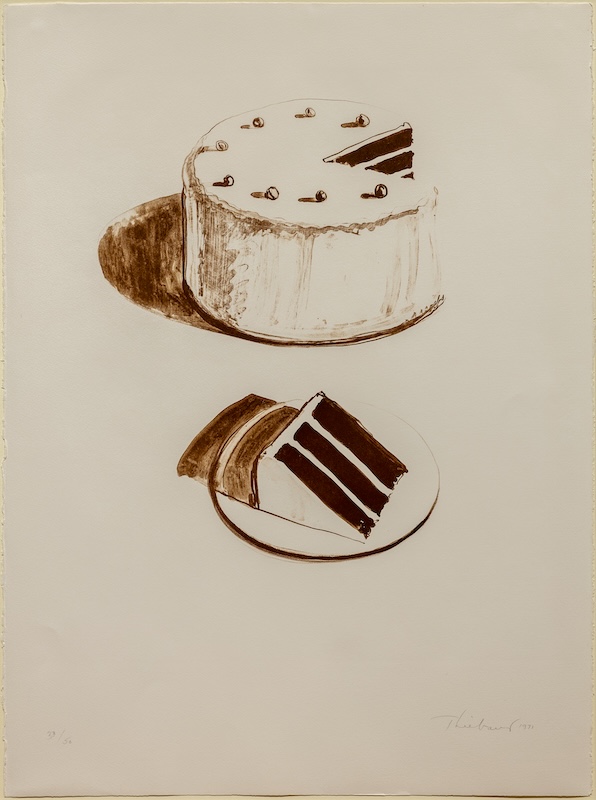
Wayne Thiebaud explores themes of consumer food culture and mass production through his lively depictions of mass-manufactured bakery goods and household items. In contrast with Thiebaud’s brighter and more colorful works, “Chocolate Cake” has a more muted tone. The contrasting shadows and monochrome color, as well as the presence of a single slice of cake, suggest feelings of loneliness. This cake looks neither manufactured nor provokes communal eating. One way to interpret this is a celebration in isolation: something to celebrate but no one to celebrate with.
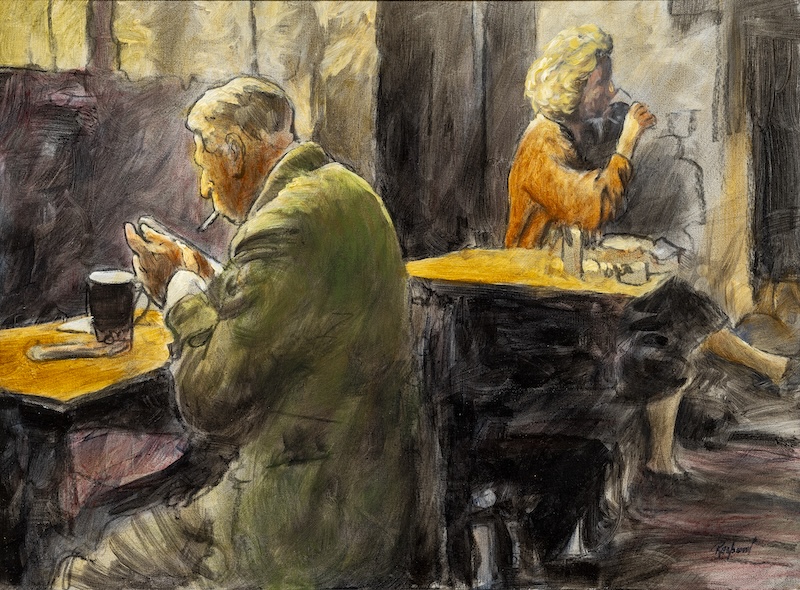
Dale Rayburn’s “Table for One” depicts two people, each eating alone in a restaurant. Both figures are dressed for cool weather and appear to be eating soup, suggesting fall or winter. Rayburn portrays what he considers honest experiences that almost every person can relate to. Although these figures are dining close to each other, they are not eating together and do not seem to notice each other. Many people can relate to this feeling of loneliness despite being in public, especially during the winter holiday season. Despite the feeling of loneliness, we are all still a part of a larger community, even when we might not directly engage with those around us.
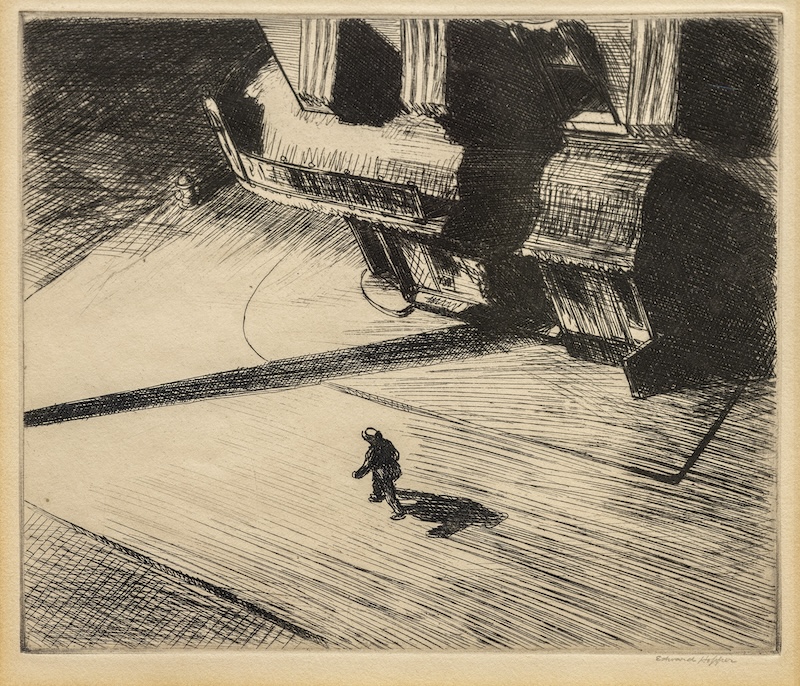
Edward Hopper’s works often focus on solitude, utilizing light and shadow to emphasize atmosphere. “Night Shadows” demonstrates how lonely one can feel even in crowded places like a city. In this scene, Hopper offers a perspective on how our environment shapes the way we experience loneliness. Architecture dwarfs the lone figure in the streetlight, emphasizing how small one can feel in a place so massive. How might this work demonstrate the modern struggle of being more connected while the world continues to feel less and less personal?

Max Beckmann created “I Don’t Want to Eat My Soup” while in voluntary exile in Amsterdam, having fled Nazi Germany in 1937. The work reflects Beckmann’s experiences of isolation and displacement during a time of global upheaval. The image of a child refusing to eat his soup becomes a metaphor for resistance to authority and the alienation Beckmann felt. Living in exile, he often portrayed life as a theater of repeated scenes. Here, the mundane act of feeding becomes a symbolic standoff, capturing the frustrations of both the individual and society in a world rife with war and dictatorship.
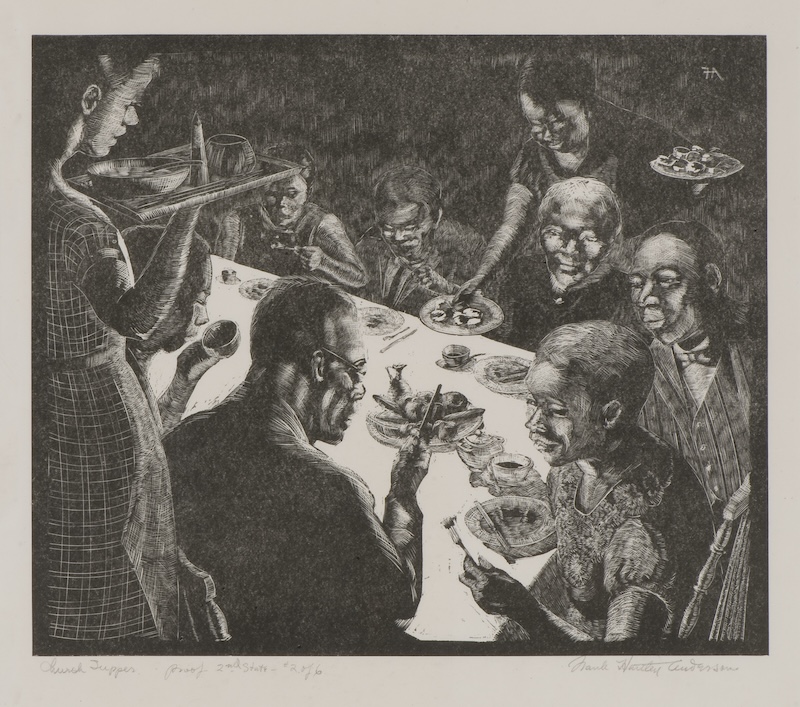
Frank Hartley Anderson was an accomplished architect, wood engraver and painter who also worked in bookplate and landscape design. In this woodcut from the mid-1930s, he invites us into a small, communal gathering right after supper. For Black Americans growing up in the South in the post-Civil War era, church often served as a safe haven where they could gather with their community without being subject to discrimination.
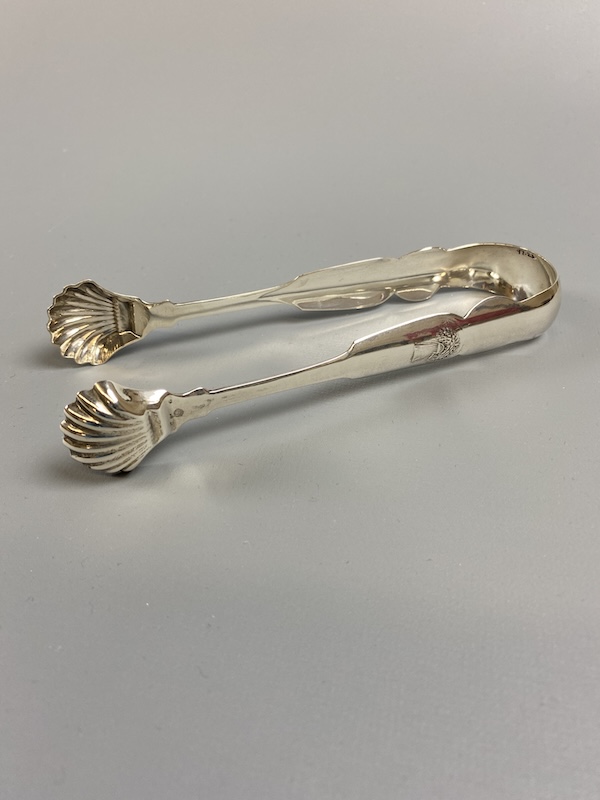
Moses Eastman was a silversmith in Savannah, Georgia. Wealthy Savannans would have used these tongs to add sugar cubes to their tea during formal gatherings. Sugar brings to mind those who were enslaved in order to produce this valuable product. Silver, an expensive commodity, indicates the status of those who owned the sugar tongs. Tea drinking was an important part of social culture among the elite. Their social gatherings deliberately excluded people of color and those of lower social status. These sugar tongs spark conversation on what it means to be in community with one another and how we can better our relationships with those who may be different from us.
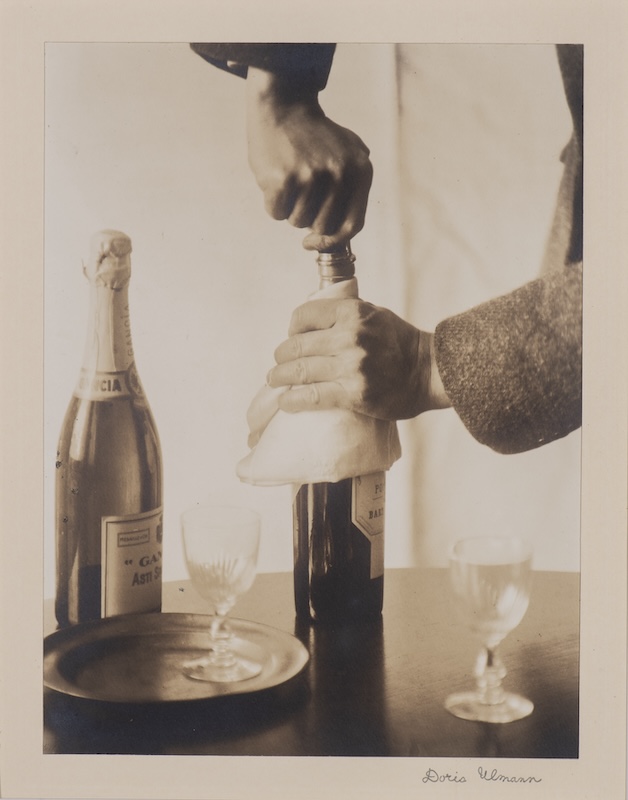
Doris Ulmann was a New York City photographer known for her photos of rural American life. Between 1927 and 1934, she explored the Appalachian mountains, taking photos of people who lived there. She wanted to capture life in communities that had not yet been changed by modern technology. Her traveling and romantic partner was John Jacob Niles, a composer and ethnomusicologist. He recorded the folk songs of these communities, which had been passed down for generations by word of mouth. Together, they preserved cultures that were quickly disappearing due to industrialization. This photograph is an expression of their partnership and shared goals.
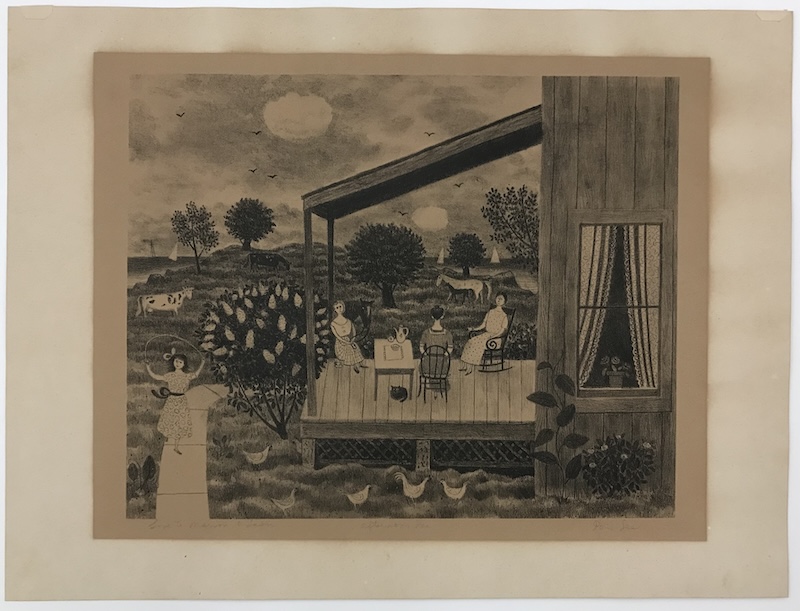
Doris Lee was one of the most successful female artists of the Depression era. Lee became popular for her nostalgic and homey depictions of rural America. She created a number of lithographs for Associated American Artists as well as several commissions for Life magazine. In this work, three women enjoy tea on a porch while a young girl jumps rope on the sidewalk. Humans and animals live in quiet domestic harmony.
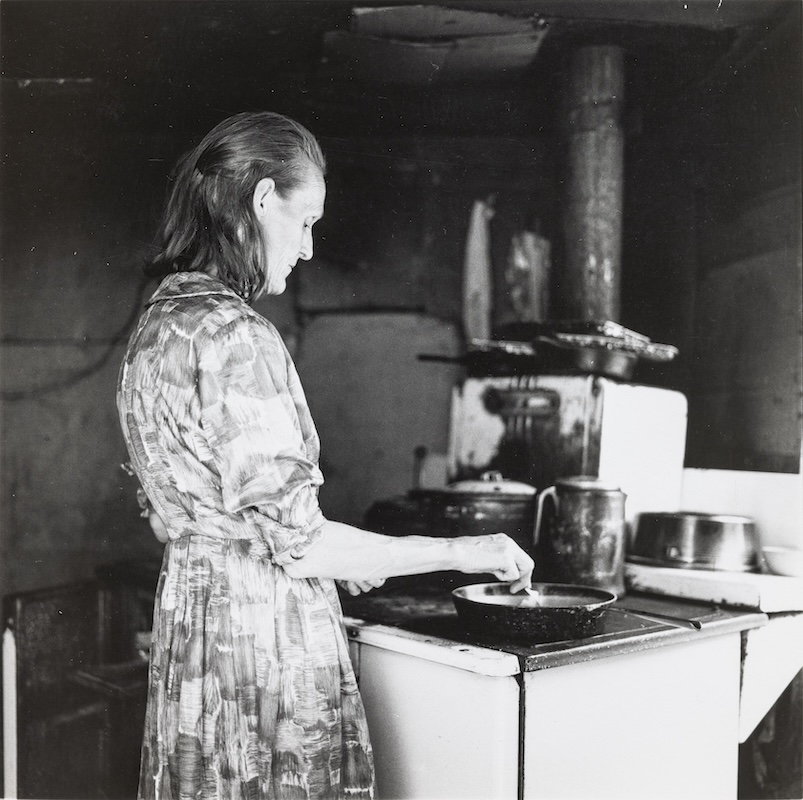
In this photo, Mrs. C.W. Boone stands over a wood-burning stove in a log cabin, preparing a meal. We don’t know whether the meal is for herself, her family or the photographer, but the setting is quiet and homelike. Although most of his work was surrealistic and focused on sculpture and shape, Arthur Tress was also a renowned ethnographic photographer. The U.S. government hired him to record folk culture of the Appalachian Mountains in 1968, a series that includes this photo.
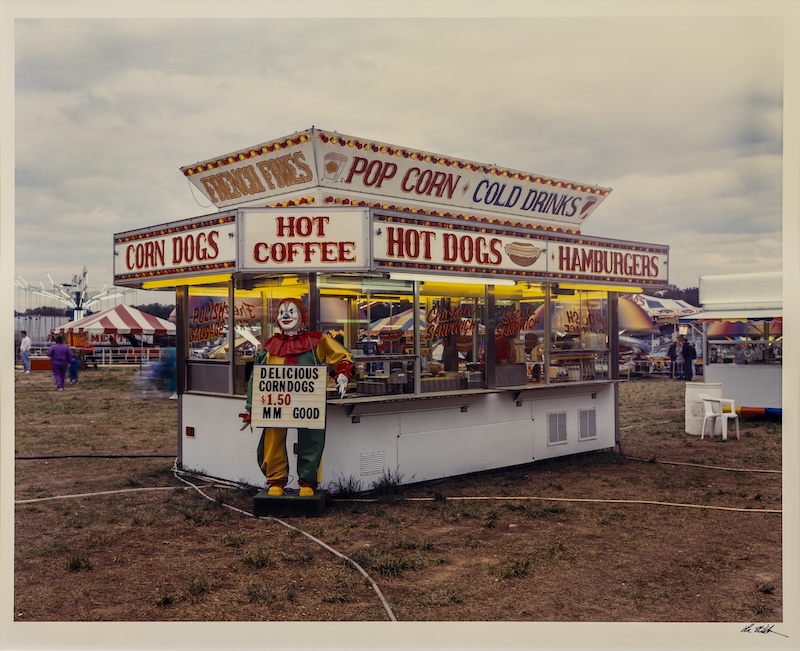
What sort of sensory reactions do you have to this photograph? Can you imagine the smells or sounds of the fair?
The Berkshire Agricultural Society created the first county fair, in Pittsfield, Massachusetts, in 1811. It was meant to exhibit and compare local livestock. These early fairs lacked thrill rides and cheap food stalls, but they created a connection between cheap fair food and the farming class. The subject of this photograph is a small, mobile hot dog stand. It sells food expected at any county fair: quick and cheap, but not always healthy. A smiling clown welcomes fair guests to try the affordable foods. The promotion of mass-produced, highly processed foods suggests separation between the average American and the food supply. But the bright colors and fun activities show that even cheap food can inspire a community.

Georges Schreiber had a passion for capturing the conditions of impoverished rural Americans. He often focused on the bravery of the men and women who labor on farms. His work “I Raise Turkeys and Chickens” exemplifies this reverence for those who produce the food that others eat.
The image shows a time-worn woman standing in a field of wheat. She is dressed plainly, with her sleeves rolled up to allow her to work in the field, and looks across her farm. A question remains: Where are the turkeys and chickens?
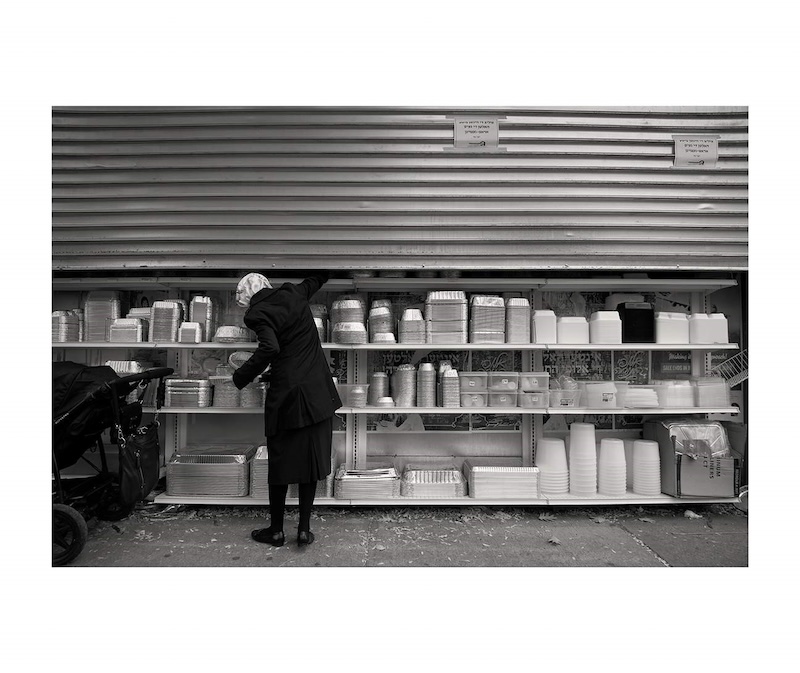
William Castellana stepped out of his comfort zone when deciding to create a photo series on the tight-knit community of Hasidic Jews in Williamsburg, Brooklyn. This series captures everyday people in public places, providing a look into a community that otherwise escapes the view of most people in the U.S.
To Castellana, street photography is “the preservation of time and place—a kind of poetry that distills both in equal measure,” and he does just that when finding the perfect moment to photograph people in their everyday pursuits. He takes up the outsider’s perspective, inviting the viewer to step into their world and ask if it is so different from their own.
Check out this Spotify playlist with songs related to our works of art for viewers to listen to. What songs do these works of art remind you of? Add your picks to the shared playlist!
Explore More Online Exhibitions
Want more? Check out some of our other online exhibitions.
Poems Inspired by Photographs
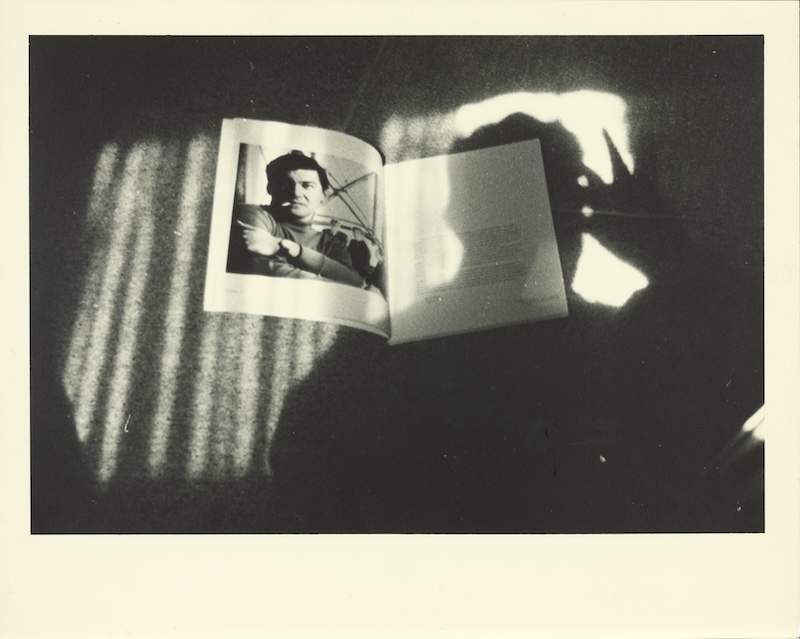
Andrew Zawacki’s Advanced Creative Writing (English 4803W) students participated in unique, challenging workshops centered around ekphrastic exercises inspired by photographs in the museum’s permanent collection.

What Are You Voting For? Light, Dark, and Truth in American Politics
“What Are You Voting For? Light, Dark and Truth in American Politics” explores the duality of politics.