Celebrating Women Artists and Their Perspectives
Women’s History Month began as a local celebration in Santa Rosa, California. A “Women’s History Week” occurred in 1978 with the help of the Education Task Force of the Sonoma County, California, Commission on the Status of Women. Yet, women’s rights activism, led by women, goes back 200 years to 1776. Abigail Adams wrote a historic letter to her husband, the second President John Adams. She writes to “remember the ladies and be more generous and favorable to them than your ancestors.” This request for recognition starts the ball rolling on the long battle for women’s rights and suffrage.
Throughout the centuries, women have been involved in making art, but they were often systematically excluded from the traditional narrative of art history. Equal rights and feminist movements of 20th century had a major impact on the arts, as a new generation of women artists began to transform the traditionally male-dominated art world and called for better representation of women artists in museums and galleries. Linda Nochlin’s influential 1971 essay “Why Have There Been No Great Women Artists?” examined the institutional obstacles that women faced in the arts. While women artists receive better recognition today, the fact remains that they are dramatically underrepresented in museums and galleries. A 2018 survey of 18 major U.S. art museums showed that their collections are 87 percent male and 85 percent white.
“Celebrating Women Artists and Their Perspectives” highlights works by women artists from the Georgia Museum of Art’s collection. From impressionism and abstraction to realism, the exhibition displays art made during a time of great change for women and women’s rights. These artists depict women as vital parts of culture, tradition and creation. Artists from diverse backgrounds explore themes such as native land ownership, music history and representations of women.
This exhibition was organized by education interns Bonnie Moore (’24) and Ashton Wilson (’24).
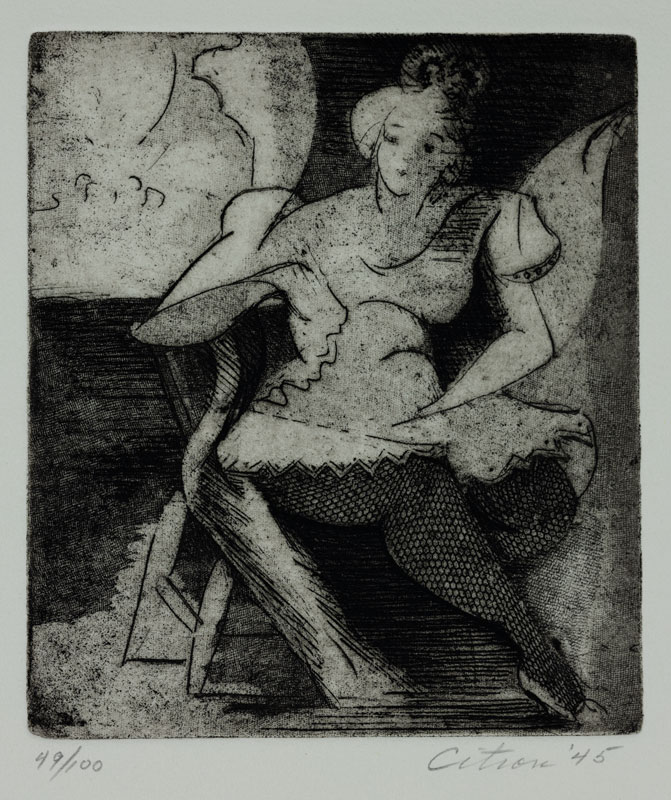
Minna Citron created art from a feminist perspective in her dual roles as wife/mother and professional artist. Citron started drawing in the late 1920s. She was married with two sons when she enrolled in the Art Students League. Citron challenged the roles of women through her art in the 1930s and 1940s. This was a period where representations of women in art had become more conservative than the images of modern women of the 1920s. “Dancer” showcases her love of printmaking, which allowed her to take advantage of re-creating designs. Citron tended to observe humanity and society with a humorous eye, satire being her favorite mode of expression.
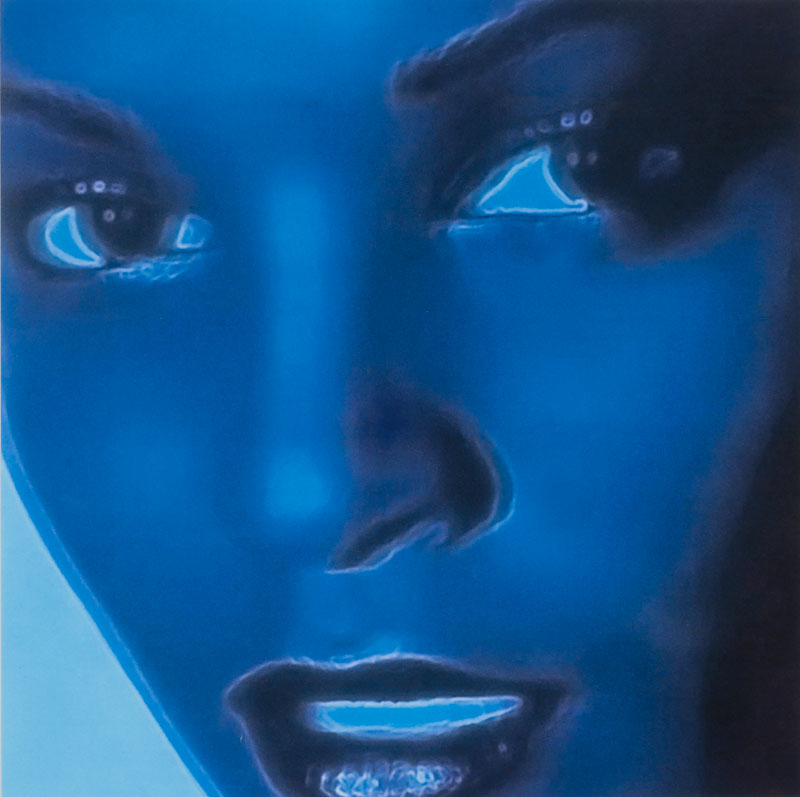
Amalia Amaki exhibits her photography skills in this tinted photograph of a Black woman. Her art shows Black women’s lives using everyday items such as photos, quilts, buttons, boxes and household objects. She crops the image to focus on the woman’s beautiful face. The color and title of the photograph allude to the music genre of the blues, created by Black people. Amaki describes her art as a visual exploration of culture, reflecting societal perceptions.
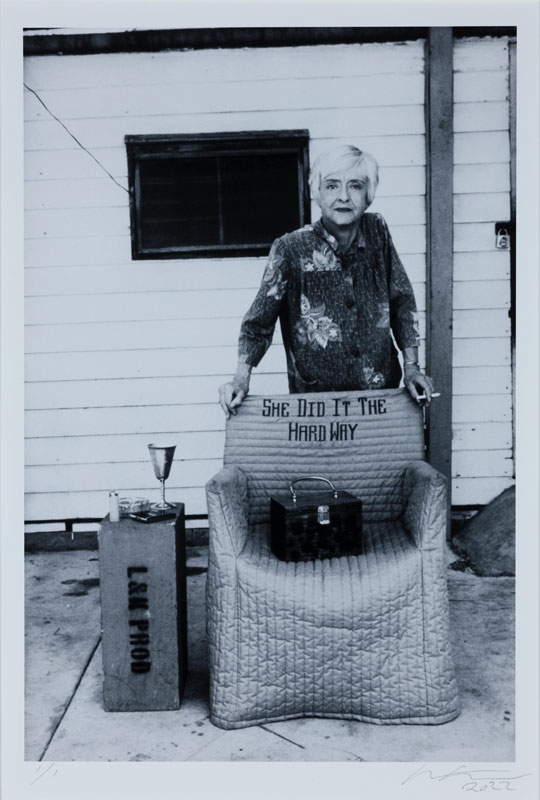
Nancy Ellison grew up in Hollywood and became fascinated with its extravagant scene from an early age. Her career in photography reflects themes of glamour and eccentricity. Her work took her to the set of the movie “Right of Way” (1983), where she got the chance to photograph Bette Davis. Ellison describes shooting with Davis as a dream, as the old Hollywood star would shift alongside Ellison’s camera to find her best light. Ellison says that she still has the thank-you note that Davis sent after the encounter.
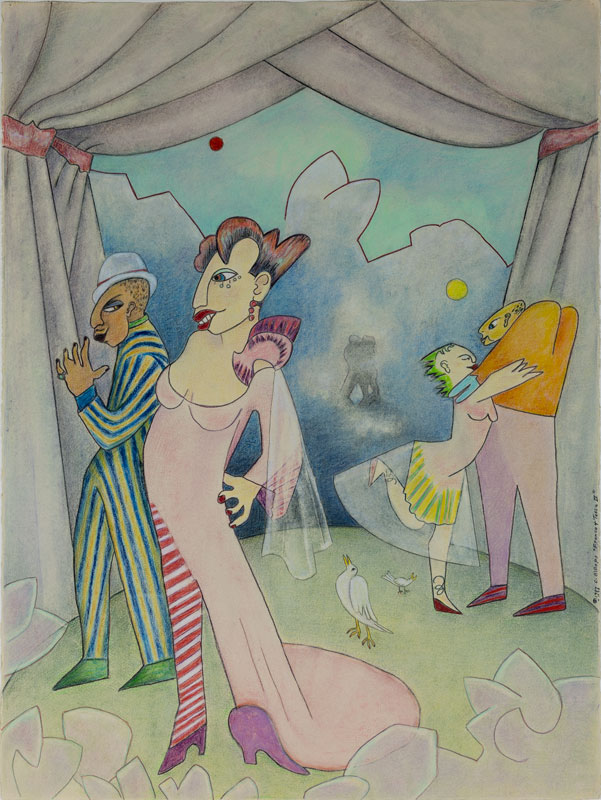
Camille J. Billops was an artist, filmmaker, archivist and professor. She believed it was important to share and preserve her stories and the stories of her community. Billops and her husband, James Hatch, created the Hatch-Billops collection to safeguard and promote Black culture. The couple also directed movies, hosted artist talks and worked in a variety of fields to amplify and exhibit Black artists. “Franco and Tessa II” is a vibrant and dynamic piece that illustrates Billops’ ability to tell stories through art.
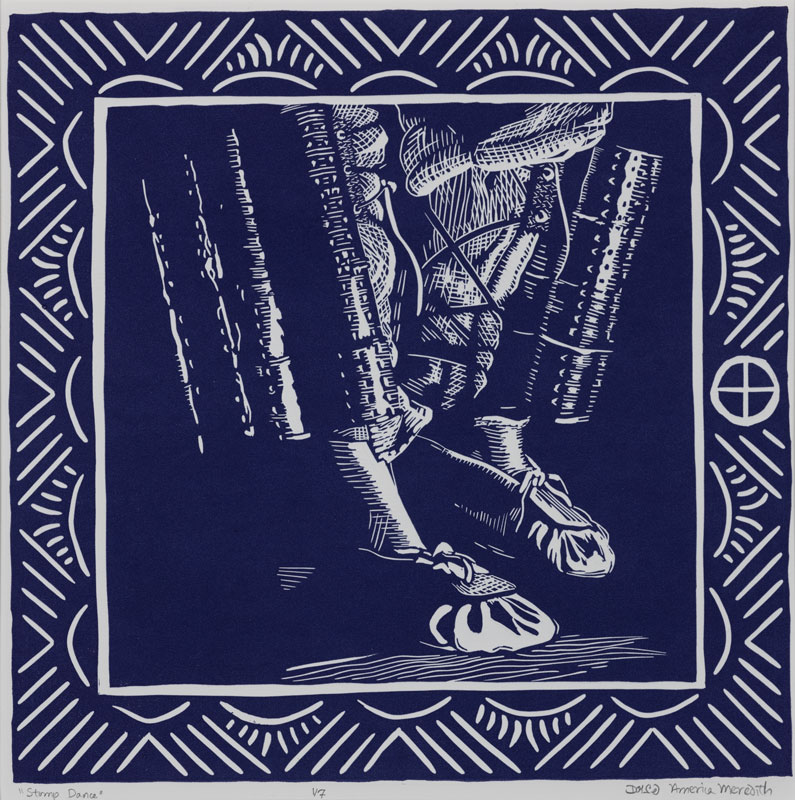
America Meredith explores intersections between Native and non-Native cultures. In “Stomp Dance” she honors her Cherokee heritage by showing a pair of feet taking part in a ceremony with religious and social meaning. At stomp dances, men sing and women produce rhythm and percussion with shakers on their legs. Meredith illustrates how women play a vital role in stomp ceremonies. The cropping of the woman’s body contrasts with the typical focus on women’s facial beauty in art.
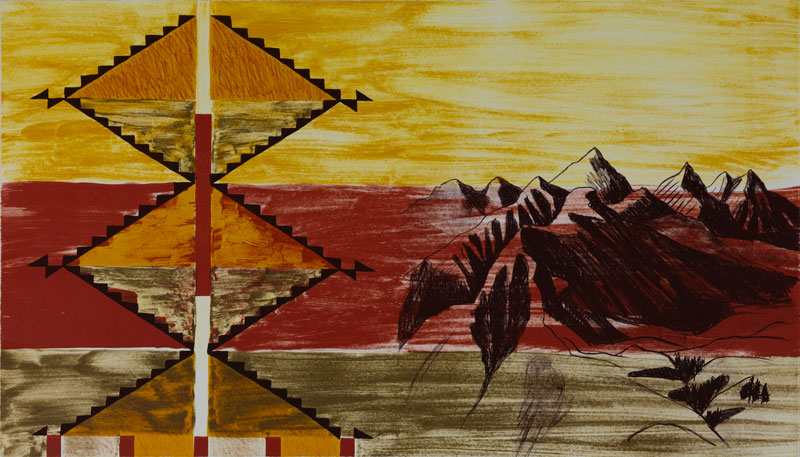
Kay WalkingStick brings the landscape of Wallowa Valley, Oregon, to life, honoring it as the home of the Nez Perce people. Many of her artworks, like this one, include a pattern and single viewpoint landscape. She connects with her audience by creating artwork that brings people together. As a biracial artist, WalkingStick emphasizes unification in her work, explaining that we are more alike than different. “Wallowa Memory” unites the history and beauty of Indigenous American homelands.
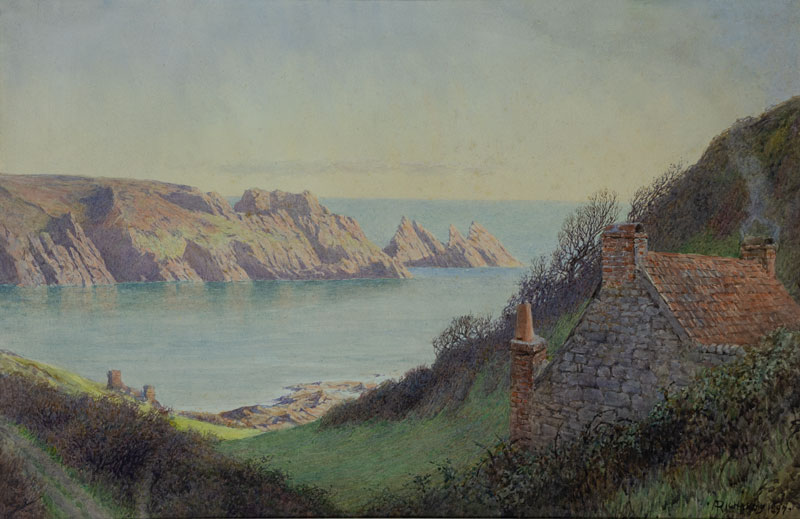
Brewster was born in Germantown, Pennsylvania, and showed great artistic talent growing up, following in her father’s footsteps as a painter. She moved away from her father’s realist style, however, and toward impressionism. Brewster made thousands of sketches drawn and colored on the spot or en plein air (a French term meaning “outside”). “Moulin Huet Bay, Guernsey” was one of the works she sketched on-site and completed in her studio.
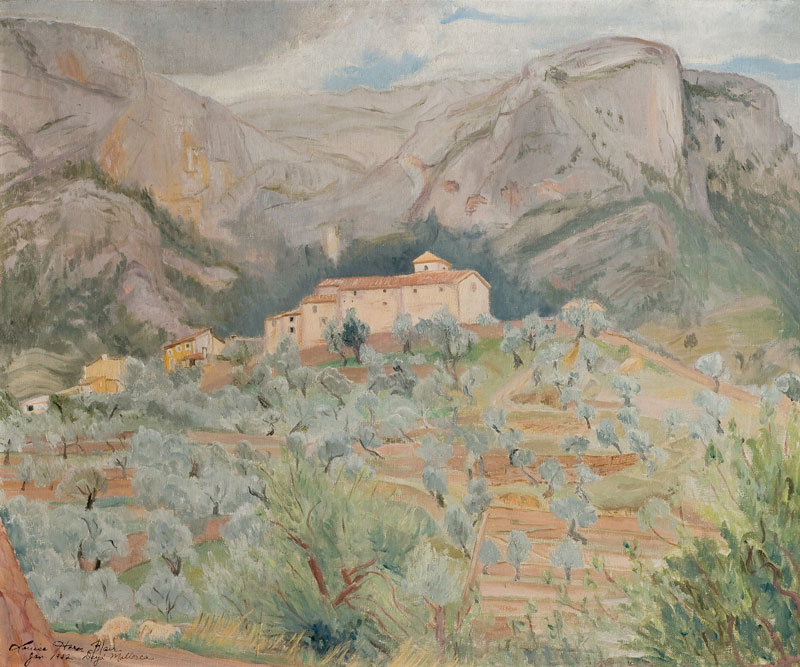
Louise Heron Blair’s career was brief but accomplished. She moved to a small village in southwest France in 1930 after the birth of her daughter with the artist Pierre Daura. While stepping out of the Paris limelight, Blair continued to create art for her own enjoyment. A frequent subject the artist turned to was landscapes, much like the one seen in “Deya Mallorca,” which she painted while on a trip to Spain.
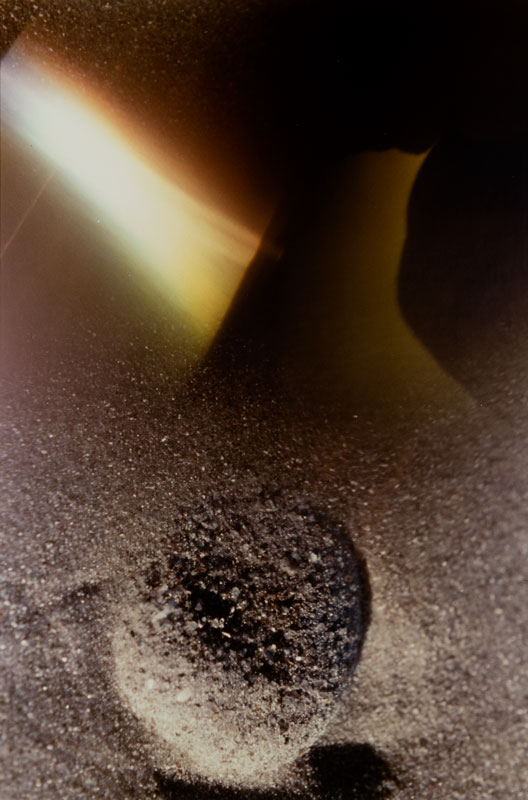
The word “symbiosis” means a mutually beneficial relationship, and this photograph explores the boundary between art and science. Judith McWillie is professor emeritus of drawing and painting at the Lamar Dodd School of Art at the University of Georgia. She has made many films out of her extensive video archive of field recordings. Her artwork, exhibitions and films often have to do with science and nature. In this artwork, viewers can interpret her abstract forms in various ways.
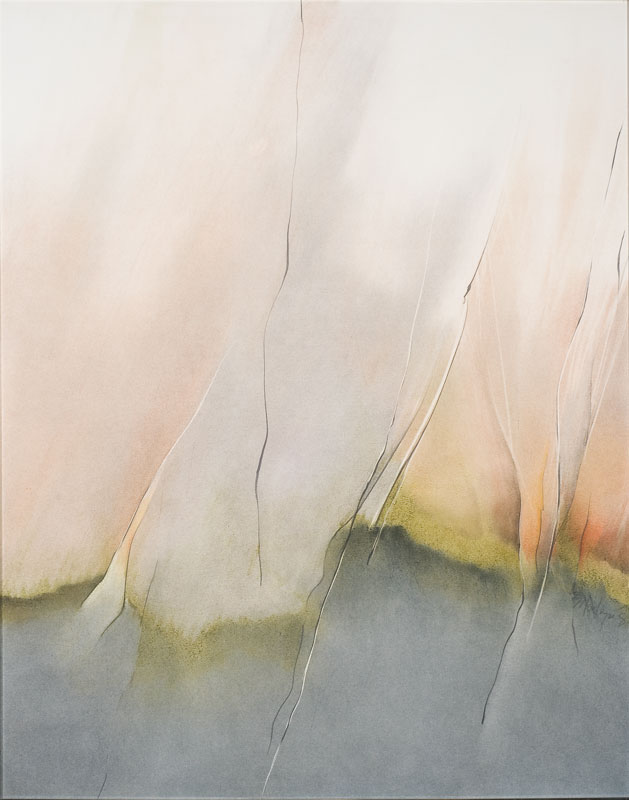
Caroline Montague was one of 11 artists invited to take part in a Georgia Sea Grant program in 1980 that invited artists to Sapelo Island. The goal of this program was to combine science, education and art. During this program, Montague created a series of paintings inspired by the coastal environment. The artist captures the island’s essence through organic edges, shapes and colors. “Sapelo Marsh” features blends of blue, gray and green to mimic the colors found in the natural scenes of Sapelo Island.
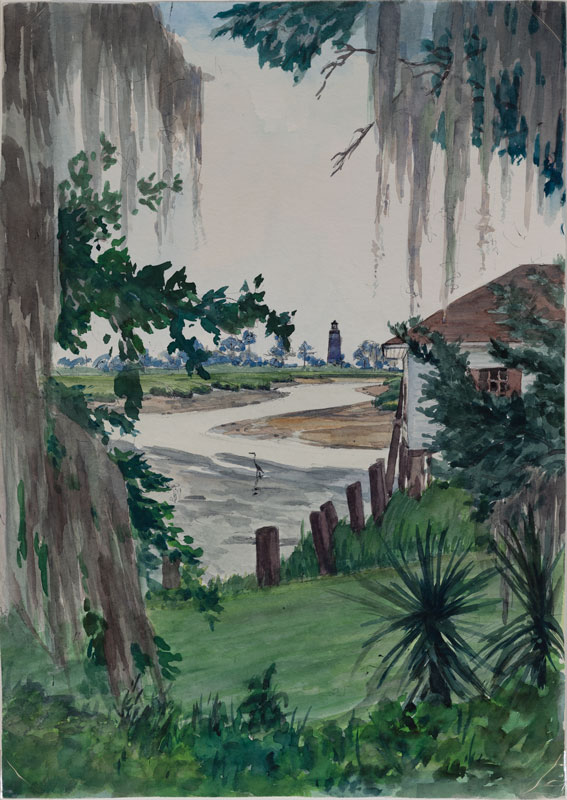
Martha Odum and her husband, Eugene Odum (for whom UGA’s School of Ecology is named), moved to Athens in 1940 at the start of Eugene’s career at UGA. As Eugene traveled to study ecology and biology, Martha documented natural landscapes. Wherever the couple went, Martha made sure to carry a small metal box of watercolors to capture coastlines, swamps, and marshes. In “Sapelo Island, Lighthouse and Marsh, Low Tide,” Martha captures the wild beauty of Sapelo, a barrier island on Georgia’s coast.
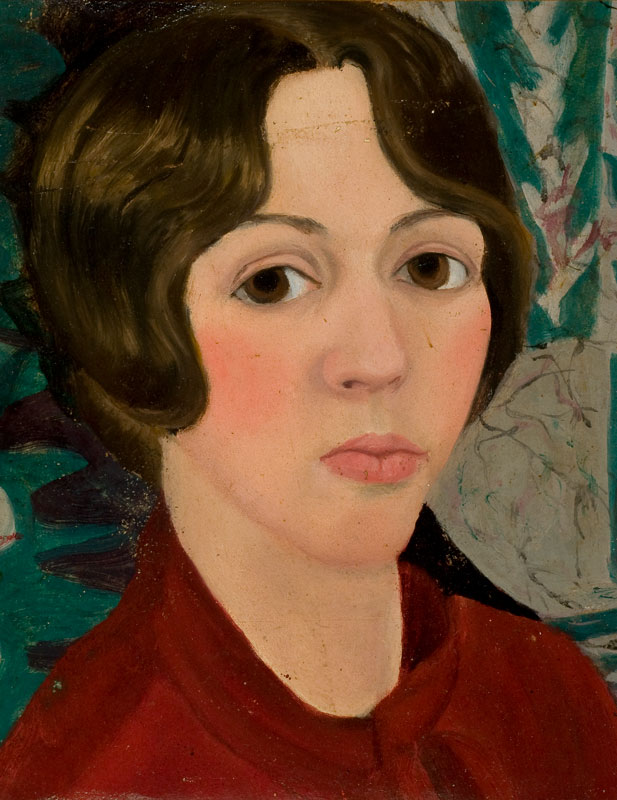
Louise Heron Blair was born in Richmond, Virginia, and traveled to Europe to study art by visiting museums and taking private lessons. Through lessons she took in Paris, Louise met her future husband, Pierre Daura. Together, the couple became well known for their art and for the influential group they surrounded themselves with. Blair focused on landscapes and portraiture throughout her career. Here, she highlights her own facial features, enlarging her eyes and depicting poutier lips.