This May, the Georgia Museum of Art welcomed Grace Burns as its new assistant registrar. But her connection with the museum began long before then. From student to intern to staff member, Burns has built a lasting relationship with the institution.
Burns recently completed her master’s degree in art history at the Lamar Dodd School of Art at the University of Georgia, where she specialized in Mediterranean antiquity with a focus on ancient Roman mosaics. For her, art history offered “the closest she could get to time traveling,” a perspective that shaped her academic journey and deepened her engagement with the past.
This fascination led to her thesis, “Masking the Bacchic Floor: Materiality and Theatricality in the Cummer Mask Mosaic,” which explored the significance of mosaics as visual, haptic and theatrical experiences within Roman social dining customs. This research earned her the 2025 Günther Stamm Prize at Florida State University’s annual Art History Graduate Student Symposium.
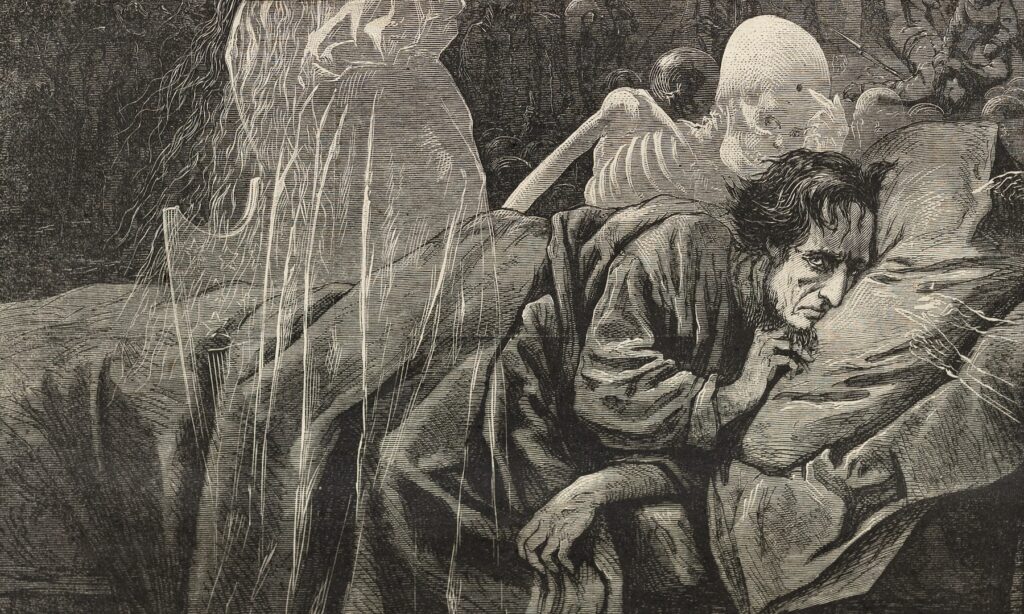
During graduate school, Burns also participated in two symposia hosted by the museum. At February’s Emerging Scholars Symposium, “Beyond the Center: Art Histories from the Periphery,” she examined how depictions of male and female suicide in art have historically been interpreted differently, with female suicides often portrayed as acts of honor. At March’s symposium on Ukrainian art — held in conjunction with the exhibition “The Awe of Ordinary Labors: 20th-Century Paintings from Ukraine” — she focused on Arkadii Soroka’s “Kolkhoz Worker,” offering insight into its subversive response to socialist realism and its legacy in Soviet art and music.
Although she enjoyed research and writing in the academic field, her experiences with museums sparked a deeper curiosity about their inner workings. “Visiting museums with classes and seeing some of the behind-the-scenes work that went into maintaining collections and creating exhibitions was eye-opening for me,” Burns said. With a strong background in antiquity, she was especially drawn to cataloging and collections management, recognizing their importance in preserving a museum’s integrity. That sense of responsibility naturally led her toward the field of registration.
An internship with the museum’s registrars’ department during the summer and fall of 2024 confirmed her passion for hands-on work with art. She was involved in condition reporting, cataloging, photographing objects and organizing curatorial files — responsibilities she continues to carry out in her current role.
As assistant registrar, Burns works closely with Asen Kirin, the museum’s Parker Curator of Russian Art and professor of art history at Lamar Dodd. She helps organize the Parker Collection and supports the planning of upcoming exhibitions. Since her March symposium paper was based on Kirin’s exhibition and seminar class, this current collaboration feels like a natural extension of their academic connection.
Burns’ experience across multiple roles has shaped the way she sees the museum. “I think my appreciation for the museum has grown and continues to grow,” she said. “I didn’t realize how many moving parts were involved in managing collections and exhibitions. So many people are dedicated to handling art, setting up galleries, creating educational programs, maintaining the facilities, running social media, advocating for the museum — the list just goes on.”
Outside of work, Burns is reconnecting with hobbies she set aside during graduate school, including reading, making art and creating trivia games. After years of academic writing, she’s especially excited to return to writing for fun.
With a love of order and detail, Burns finds joy in her new position and looks forward to contributing to the museum’s mission of making art accessible to the community.
Authored by:
Jeehyung Pyo