Enjoying a visit to an art museum doesn’t require previous knowledge about art. That’s one of the reasons art museums are so popular. But what about visitors who aren’t able to see the art?
Many visually impaired people enjoy visiting art museums. After all, learning about art’s meaning and history isn’t just for people who can see it. With the help of audio descriptions and guided tours, many visually impaired guests can interact with the art in museums, including the Georgia Museum of Art. While audio and guided tours for the visually impaired at the museum make art more accessible, there is still a long way to go to improve the experience.
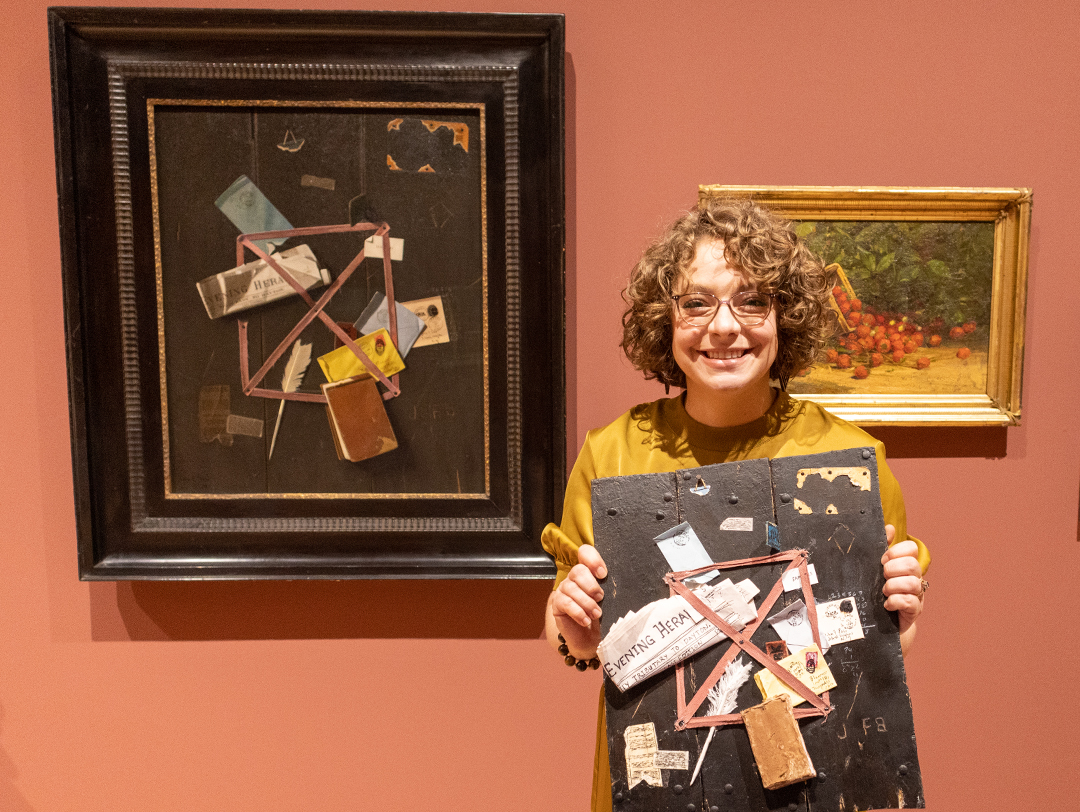
To that end, the Georgia Museum of Art has joined other museums worldwide in the mission to actively improve museum accessibility. As a part of that effort, Mallory Lind, associate curator of education, recently made small, tactile replicas of a sampling of paintings in the museum that allow guests to interact with art in a much different way. Audio descriptions can offer a lot of information about a painting to visually impaired guests, but being able to feel where the grass ends and the sky starts through these new touchable replicas provides a very different experience than an audio or guided tour that simply describes a painting as a landscape.
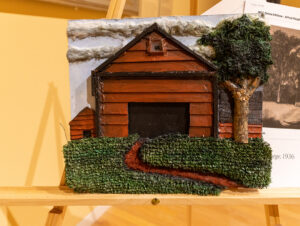
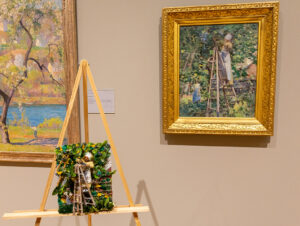
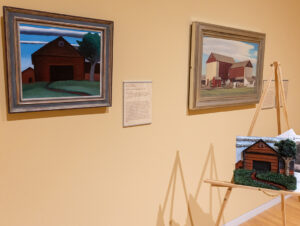
After taking a museum accessibility class at UGA while completing her doctorate in art education, Lind’s interest was piqued and she began experimenting with textured replicas, for other museums and ultimately the Georgia Museum of Art. Before the museum hired her for a full-time position, it contracted with her to make a sampling of tactic replicas. In this task, she created four works based on paintings on display at the museum, including John Frederick Peto’s “Old Time Letter Rack,” on loan from the Terra Foundation. Funded by a grant from the Terra, which is lending five works of art to the museum for five years and providing funds to create programming around them, she also replicated three other works for the museum from its own collection: “Red Barn, Lake George, New York” by Georgia O’Keeffe; “Spirit of Grand Central Station — The Man That Helped the Handicapped” by Thornton Dial; and “Gathering Plums” by Theodore Robinson. These paintings are featured in many of the guided tours at the museum. Lind said she plans on making more replicas of other popular paintings in the collection in the near future.
So far, the use of these tactile replicas has proven useful not only for the visually impaired, but also as a means to help younger museum patrons form a more meaningful understanding and connection with art in our educational programming. This May, the museum used Lind’s replicas at a Family Day event that focused on the five senses, with these replicas representing touch. Generally speaking, you cannot touch any of the art in a museum, but her replicas allowed kids to do the opposite and the hands-on exploration gave the children a chance to find a deeper connection to the art.
While there may still be a long way to go to increase and improve museums’ accessibility, the Georgia Museum of Art is committed to improving and innovating and patrons can look forward to more replicas in the near future. If you are interested in experiencing these textured replicas for yourself, join us for a tour and ask our education staff before you arrive about what we offer to enhance the experience of our visually impaired patrons.
Curious about other aspects of accessibility at the museum? The Georgia Museum of Art is fully ADA accessible. We have wheelchairs available for patrons and offer tours for the Deaf and hard of hearing. To ensure your specific needs are met for your visit, email us at gmoa-tours@uga.edu to schedule a tour or inquire about tour options.
Authored by:
Pierce Alston