Director William U. Eiland addresses the ongoing battle of racism in the U.S., as well as present and future antiracism and inclusion steps at the museum.
June 1, 2020
Dear Friends,
Today, all of us here at the museum received a letter from our president, Jere W. Morehead. His message is a forthright and angry denunciation of racism and its concomitant evils of intolerance, injustice and violence, all apparent to the entire nation over the past week. He mourns George Floyd, Breonna Taylor and Georgia’s own Ahmaud Arbery, only the most recent victims of systemic and extensive racism.
Understanding the rage of so many, I, too, have felt at some points like Peter Finch in “Network,” when he shouts from the window, “I’m mad as hell and I’m not going to take this anymore.” But upon reflection, I realize that I am but one person, who can be most effective through encouraging — demanding even — that I and my staff promote knowledge, learning and understanding, that through the visual arts, and their history, we can create a place where dialogue is possible, where tolerance is demanded, where hatred is forbidden, where other pernicious “isms” are investigated and exposed, where healing begins, expands and engulfs us all.
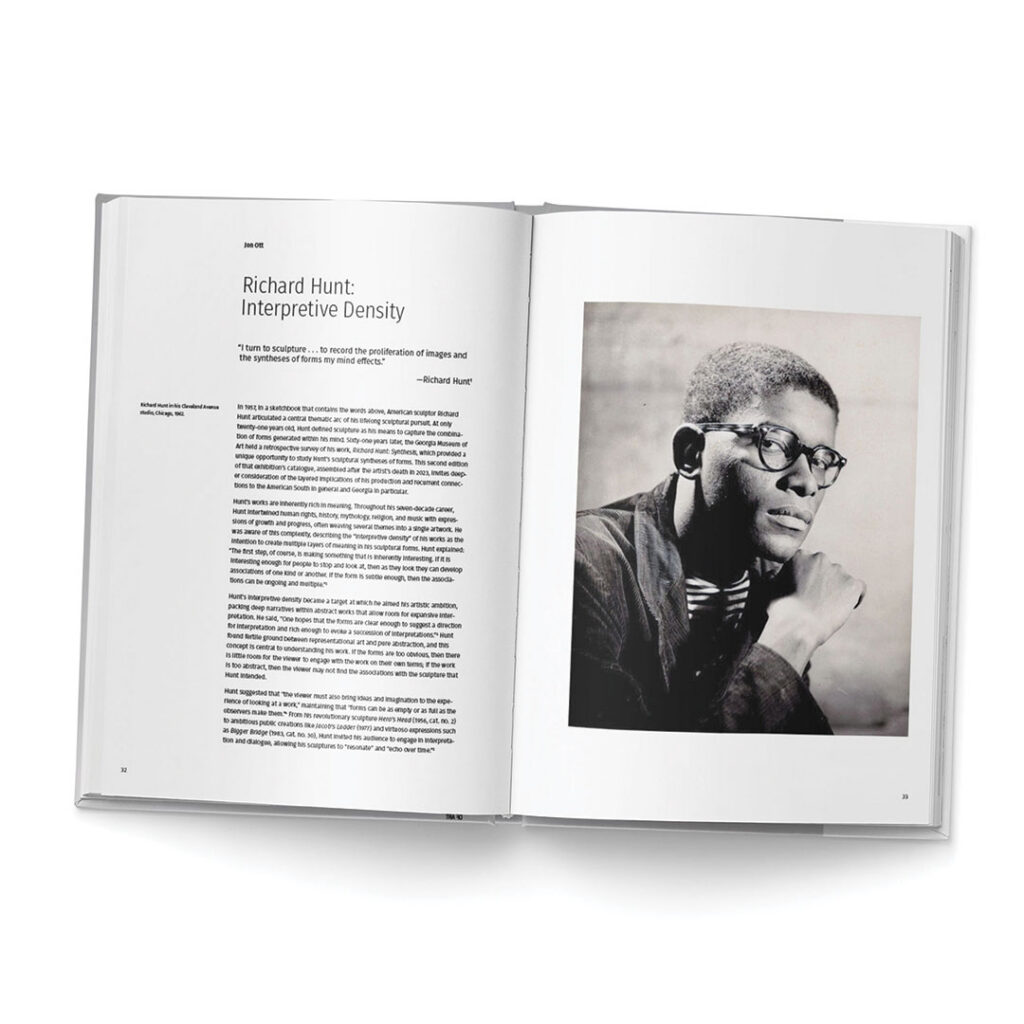
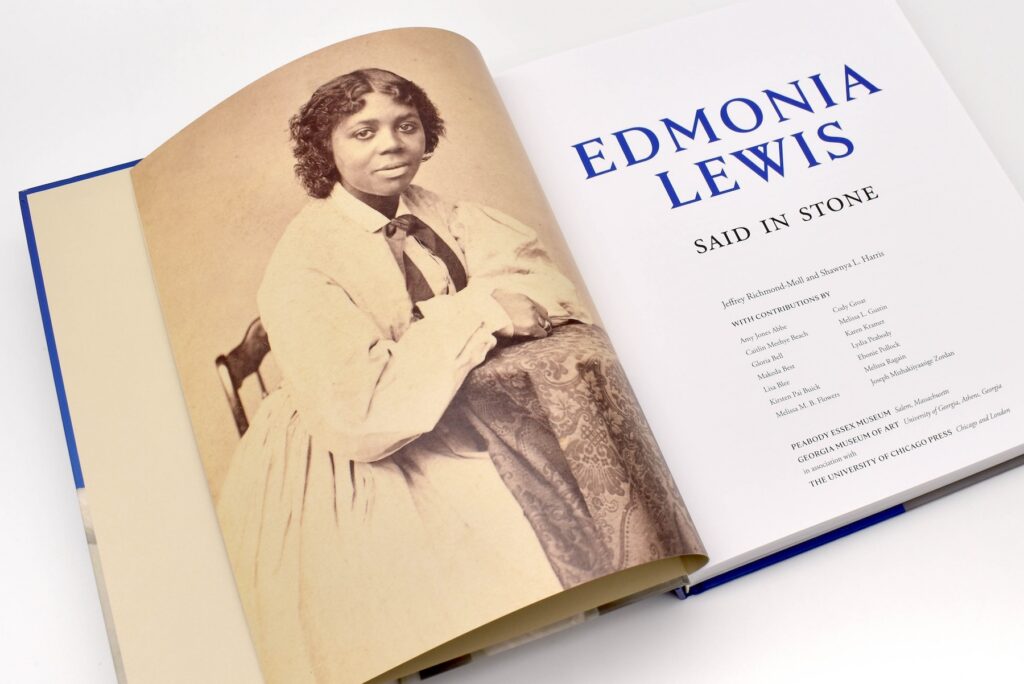
I believe in the work that our museum has engaged in since it opened in 1948, and although that progress can at times be slow, we have made great strides toward equity. Brenda and Larry Thompson’s gift of 100 works by African American artists to our collection was transformative, to be sure, but their establishment of a curatorial position to study the same, filled by Shawnya Harris, has perhaps been even more important. Dr. Harris works constantly to elevate the voices of black artists, to study those who are not yet well known and to make them so, and to make real changes to the art historical canon. We trust and appreciate her voice on our staff and as an important one nationally.
We also remain committed to examining ourselves: our staff, our volunteers, our various boards, our students, our audiences. We can always do better; we are aware that our staff, in particular, remains considerably less diverse than it should be. In recent years, we have moved seriously toward paid internships, which have been shown to increase diversity in the museum field. Furthermore, our educators are in the process of crafting a process to add community voices to our programming, exhibitions and more. Genuine and open-hearted listening is one of the best tasks we can take upon ourselves as we move toward justice.
I believe it behooves everyone to remember and hearken to Martin Luther King Jr.’s words, perhaps truer now than ever before, “Injustice anywhere is a threat to justice everywhere.” In President Morehead’s words, “let us move forward in seeking racial justice by engaging in thoughtful listening and constructive dialogue, showing care and understanding, and by demonstrating our ongoing commitment to do better while working together for a more united and just world.”
If we are able to do these things, truly to come together in this time of turmoil, then we will be better for it. We at the museum join our colleagues throughout campus in pride in affirming the conclusion of our president’s letter: “[we] are part of the University of Georgia community,” and we stand together.
Authored by:
William U. Eiland