

Helen Frankenthaler: Transforming the Matrix
February 6 – June 6, 2027
New techniques, new approaches
Helen Frankenthaler is best known as a painter and printmaker. But in 1975, she created a series of clay sculptures for an exhibition at the Everson Museum of Art in Syracuse, New York. Tucked away in the artist’s personal collection, the ceramics were uncrated in 2025 for the first time in four decades.
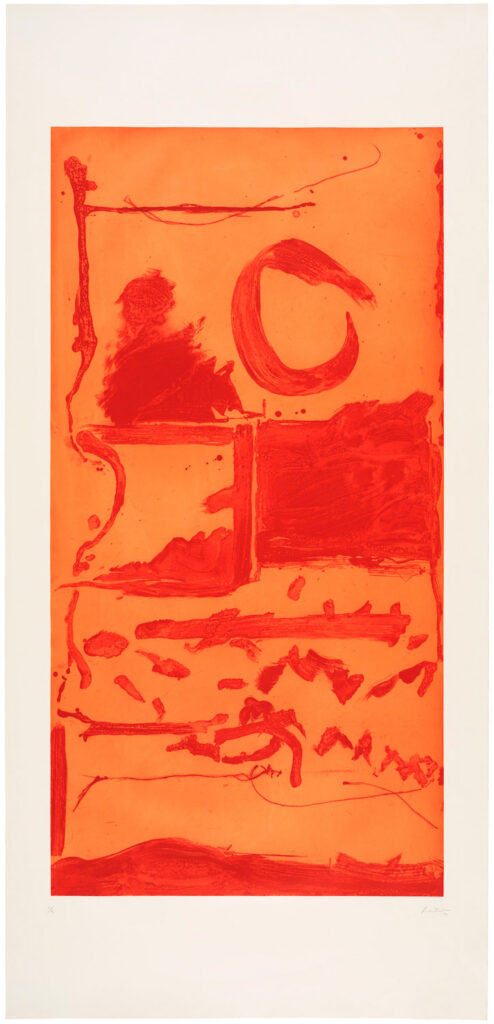
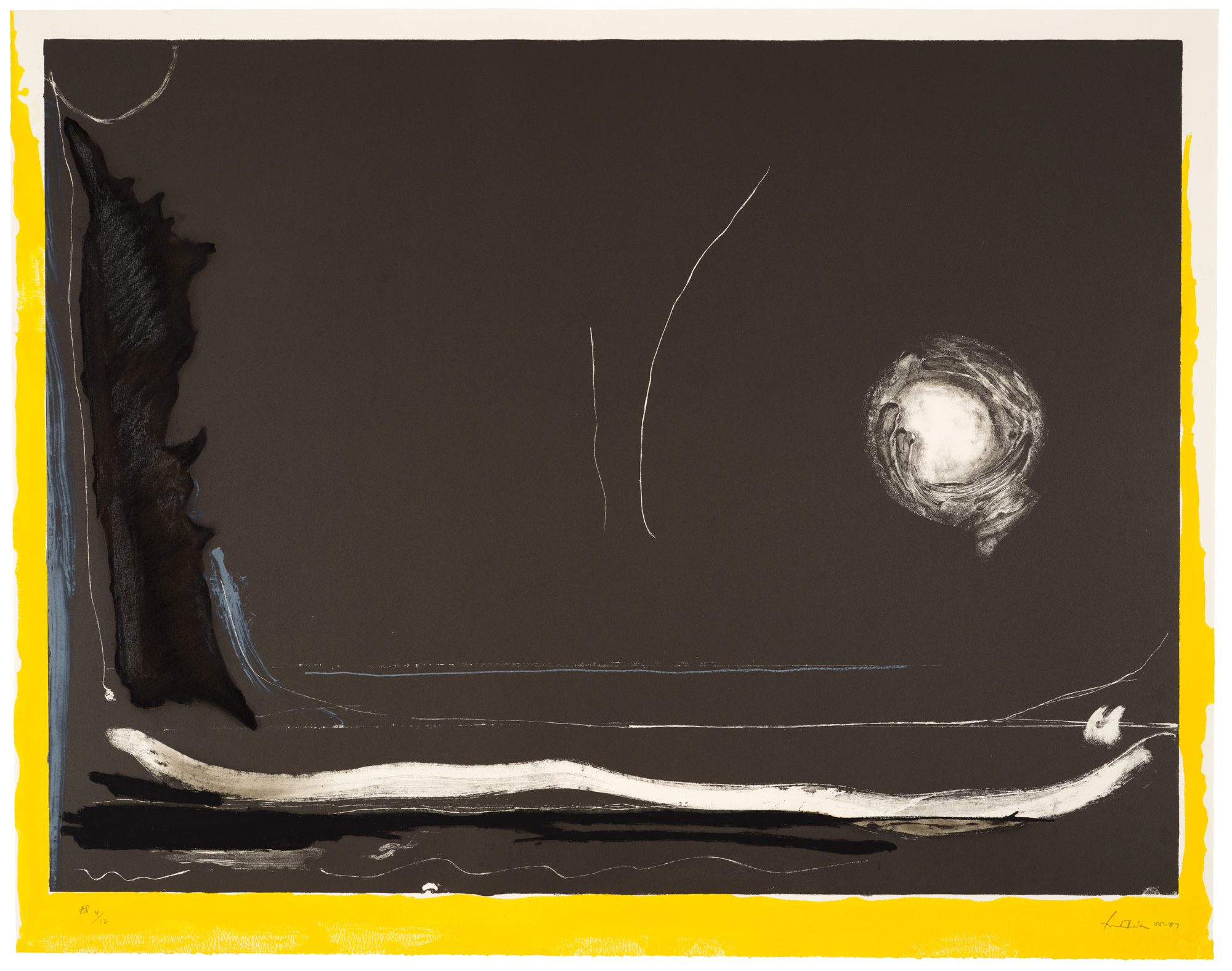
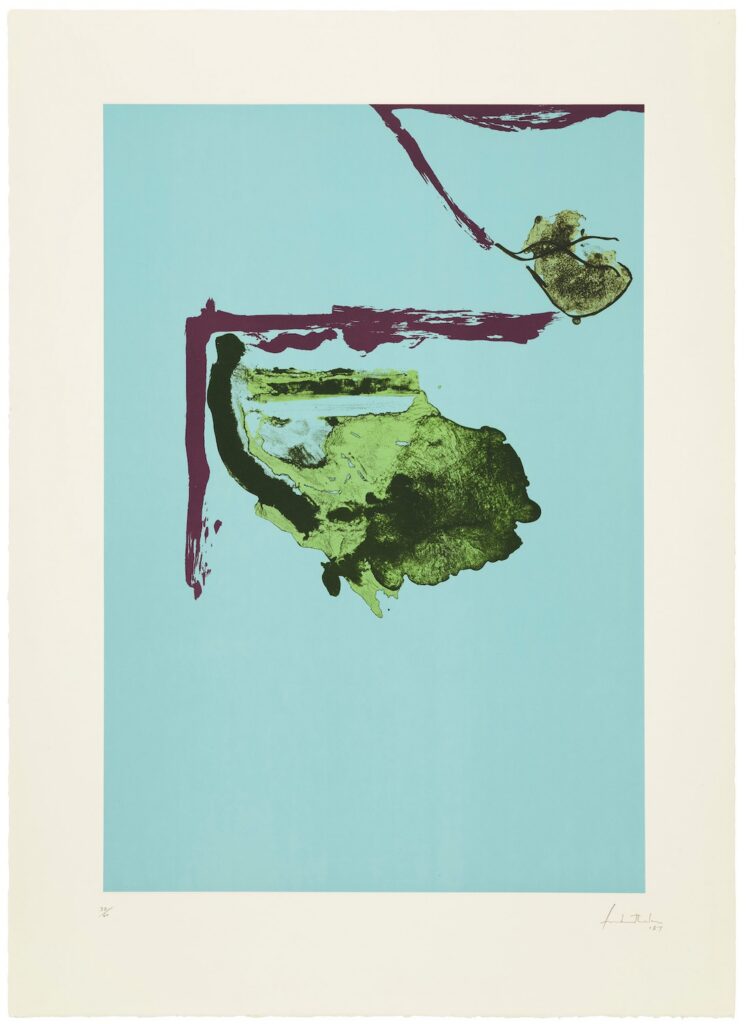
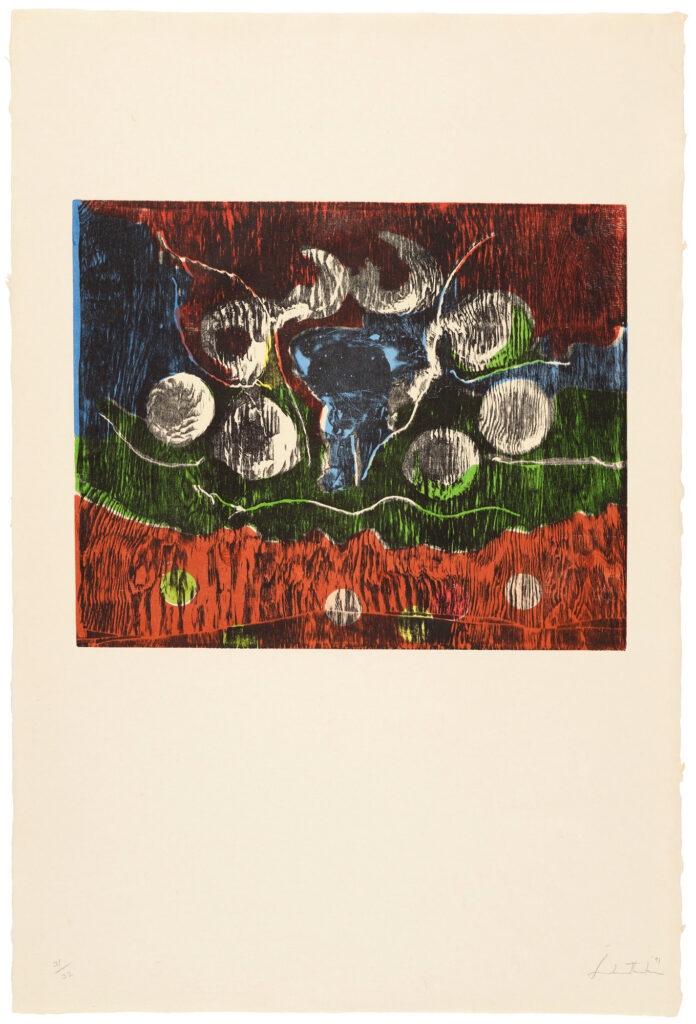
“Helen Frankenthaler: Transforming the Matrix” is the first exhibition in nearly 40 years to present Frankenthaler’s ceramic sculptures alongside her paintings and prints. The exhibition and catalogue offer a new perspective on her work and reshape our understanding of the artist’s hand. Frankenthaler’s painterly sensibility was central to her work in painting, printmaking and ceramics. Simultaneously, her experiences working with ceramics and printmaking transformed her artistic process leading to dimensional changes in her prints and paintings.
Producing work in clay was physically different from painting and required new techniques and approaches. Frankenthaler used these differences to apply relief, scale and dimensionality to her ceramic sculptures. Describing her process, Frankenthaler said, “I wanted to use all my physical strength to roll up one corner of it, draw in and on the entire surface of it, color it in part and make it a kind of sea.” At the same time, she was exploring printmaking techniques like etching, lithography and woodcut. Her works in these media also examine surface texture, weight and depth. Working in both printmaking and clay shifted her visual language. The works she made after this turning point often focus on texture and the impressions left by the artist’s hand.
“Transforming the Matrix” traces the evolution of Frankenthaler’s process across media and how the artist responded to new matrixes. The matrix is the manipulated plane from which a printmaker develops an image by adding or subtracting material. Just as she applied her innovative painting style to printmaking, Frankenthaler transformed her matrixes of painting, printmaking and ceramics to expand the flat plane into three-dimensional space. The impressed grains of her woodcuts developed into embossed forms, molding paper into a sculptural form. Flat slabs of clay transformed into dynamic landscapes that encourage viewers to move to see all possible perspectives. Frankenthaler’s paintings, once merging canvas and color into one plane, bloomed with raised paint edges and pools of pigment. The exhibition pairs ceramics with paintings, prints, artist’s proofs and archival materials that allow visitors to see the artist’s methods. By foregrounding ceramics and printmaking, it invites us to reconsider the scope of Frankenthaler’s artistic practice and the role of material exploration in shaping abstract expressionism.
This exhibition was developed in part from a transformative gift from the Helen Frankenthaler Foundation through its Frankenthaler Prints Initiative. The gift includes 10 prints, and 12 proofs created between 1967 and 1994. They encompass lithography, etching, aquatint, screen printing and woodcut. A set of trial proofs illuminates Frankenthaler’s working process. This gift advances the study and teaching of Frankenthaler’s work and created the foundation for “Helen Frankenthaler: Transforming the Matrix.”
Curator
Kathryn Hill, associate curator of modern and contemporary art
Explore more exhibitions
What else is on view or will be soon?
Permanent Collection Galleries
A selection from our nearly 20,000 works of art is always on view for you to wander through and find inspiration.

Looking Through a Sewn Sky: Rachel B. Hayes
This commissioned craft-based art installation in the Jane and Harry Willson Sculpture Garden asks us to look in all directions.