

Art Interrupted: Advancing American Art and the Politics of Cultural Diplomacy
January 25 – April 20, 2014
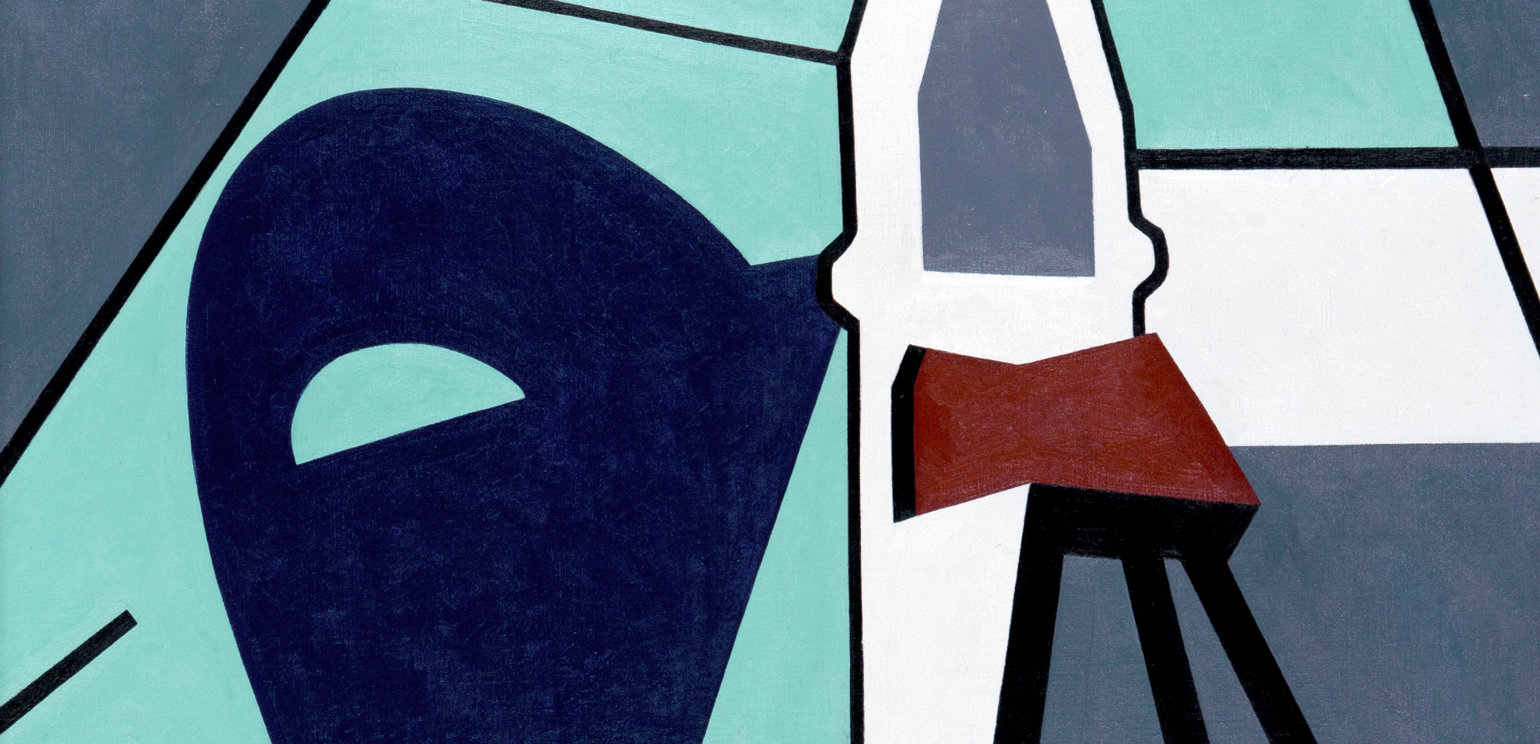
freedom of expression
In 1946, the U.S. Department of State embarked on an innovative program of cultural diplomacy that included a project known as Advancing American Art. The program called for the acquisition of modernist paintings by contemporary American artists to exemplify the freedom of expression enjoyed by artists in a democracy while demonstrating the country’s artistic coming of age. Within months after Advancing American Art began its exhibition tours, controversy erupted. Many observers lambasted the paintings selected for the project, and the artists themselves, as un-American and subversive. Facing intense disapproval by Congress, the State Department recalled the exhibitions, and the paintings were sold at auction. The Jule Collins Smith Museum of Fine Art at Auburn University, the Fred Jones Jr. Museum of Art at the University of Oklahoma and the Georgia Museum of Art at the University of Georgia reunited almost all of them in this exhibition that demonstrated again the great worth in freedom and diversity.
Representing works by artists from Romare Bearden to Ben Shahn, Stuart Davis, Georgia O’Keeffe, Edward Hopper, Loren MacIver, Jacob Lawrence, Marsden Hartley, and Arthur Dove, it included many important figures in the development of American modernism. Although his plan to promote the vitality of American art abroad failed, Davidson’s project had a second life as the works were dispersed across the nation. In the collections of, primarily, university museums and galleries, including the three organizing institutions, they exemplified the principles for which he had intended them and reached countless Americans in their formative years.
Curators
Dennis Harper (Jule Collins Smith Museum of Fine Art), Mark White (Fred Jones Jr Museum of Art) and Paul Manoguerra (Georgia Museum of Art)
Sponsors
Henry Luce Foundation and the National Endowment for the Arts