As we celebrate the 75th anniversary of our museum, it’s an opportune time to look back at our history. From now until the end of the year, we’ll be featuring a post once a month about the history of the museum through the decades. This month, we take a look at the museum’s presence and history on campus in the 1990s.
If there’s one word to describe the 1990s at the Georgia Museum of Art, it’s progress. Looking back, the decade was one of the most important in the history of the museum, with several initiatives and events that helped develop the museum’s presence and standing as a mainstay for art education in the state and the region.
At the beginning of the decade, the museum began an internship program that is still going strong more than 30 years later. Since its inception, the museum’s internship program has provided hundreds of UGA undergraduate and graduate students on-the-job training, with many former student interns going on to work at our museum and many other museums throughout the country in an official capacity upon graduation.
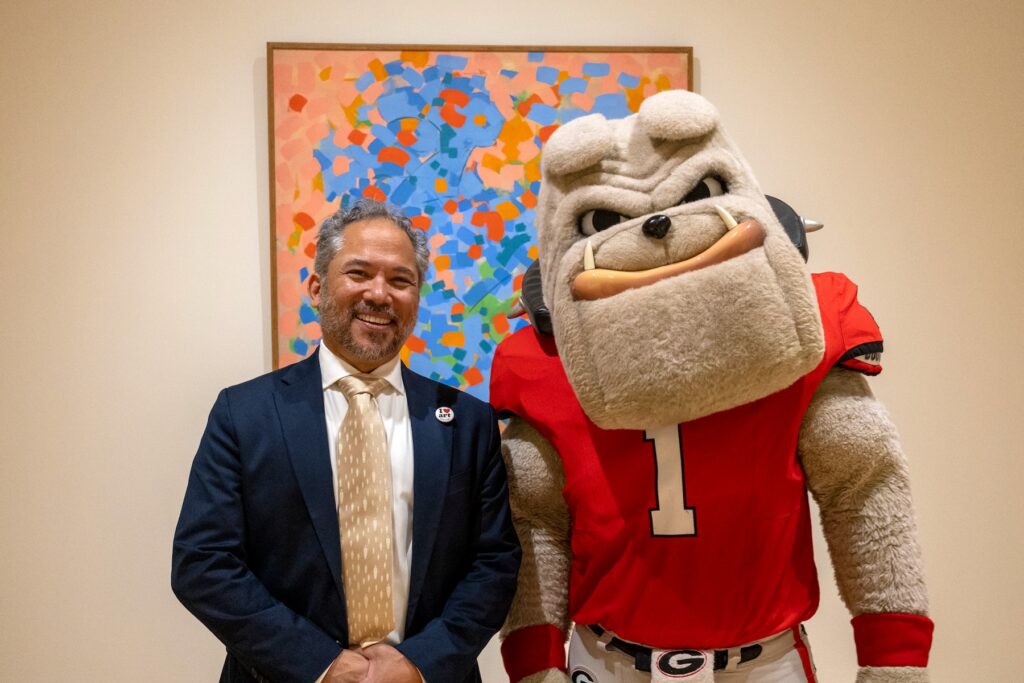
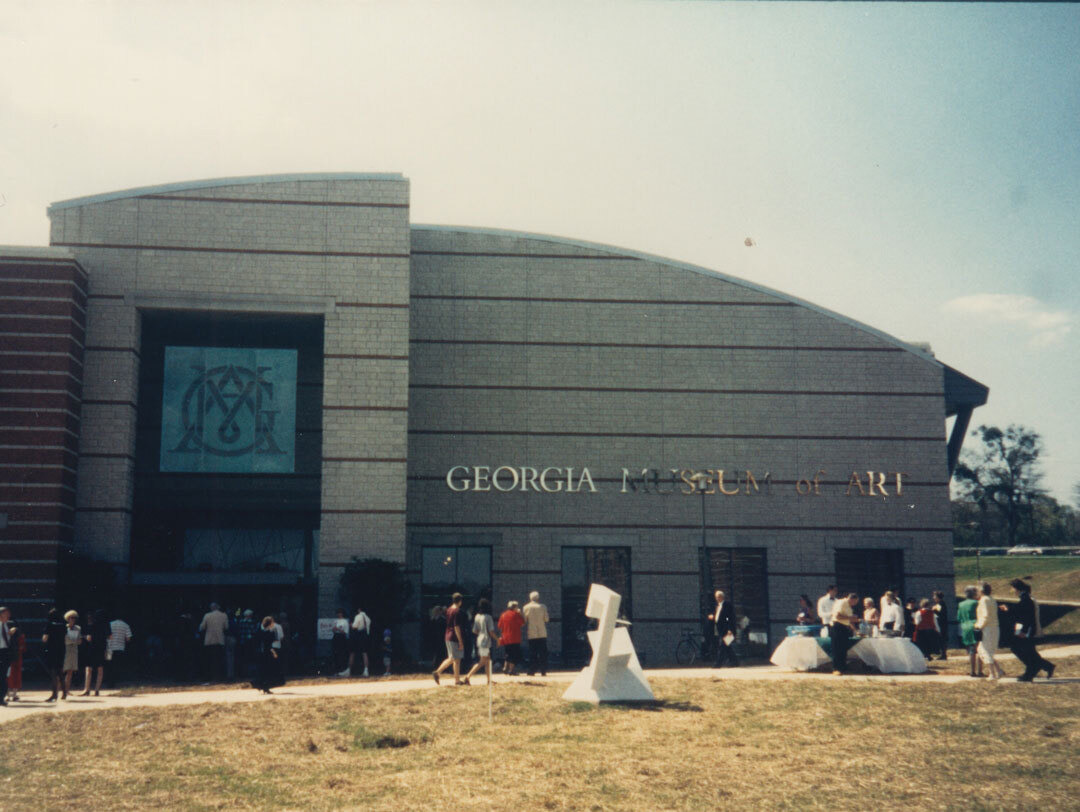
In 1992, William Underwood Eiland, who served as the museum’s director for 30 years and retired earlier this year, took the reins as director and fostered unprecedented growth. Under his leadership as interim director in 1991, visitor attendance increased to more than 50,000 visitors a year. Educational programming and lectures also increased in attendance, more than doubling to 5,700 participants a year. Under his leadership, the dream of building a new museum on campus became a reality. In the spring of 1996, a 52,000-square-foot museum facility opened on East Campus as part of the UGA Performing and Visual Arts Center. The new museum opened just in time for the flood of visitors that made their way to Athens for soccer matches at Sanford Stadium during the 1996 Olympic Games. By many accounts, the museum’s new facility was significant in the Georgia Museum of Art’s history and UGA campus life and helped create the flourishing establishment that it is today.
Newspaper archives from the time touted the new location and development of the Performing and Visual Arts Center that now serves as home to the Lamar Dodd School of Art, Hugh Hodgson School of Music and Performing Arts Center as well as the museum. University President Charles B. Knapp was particularly proud of how the development of East Campus would enhance campus life. “What strikes me as most significant about the opening of the Ramsey Student Center and the Performing and Visual Arts complex is that we now have wonderful places to come together as a community,” he wrote in an editorial in the Red & Black. “And that’s a key facet to a great university. I hope you will join me in taking full advantage of this latest addition to campus life.”
The UGA and local creative community also bid farewell to Lamar Dodd, the art school’s namesake and a major figure in the development of the art scene on campus and in Athens. Dodd’s memorial service, in September of 1996, was well attended by friends, colleagues and supporters of the art community who wanted to celebrate his creativity and contributions to art appreciation and education in Athens and the state.
The decade was also marked by one other major event that is still a big part of the museum’s success as an established venue that fosters artistic community. In 1999, the museum launched its first website. An article in the Red & Black noted that the website was another avenue that the museum could use to get information out to the public about events and exhibitions. More than two decades later, the museum’s website, alongside social media and our quarterly print newsletter, continues to help museum patrons, artists and scholars learn more about the museum. Want weekly event and museum updates delivered to you? Follow us on Instagram @georgiamuseum(opens in new tab) or become a Friend of the Museum to sign up for our weekly email update(opens in new tab).
Outside of these major milestones in museum history during the 90s, the exhibitions on view continued to impress and bring in visitors of all kinds. What kind of exhibitions were on view? The first half of the decade, before the museum moved to its East Campus location, featured works by renowned artists such as Andy Warhol, Elaine de Kooning, and James McNeill Whistler. The latter part of the decade continued to feature prominent artists, including Picasso and Rembrandt.
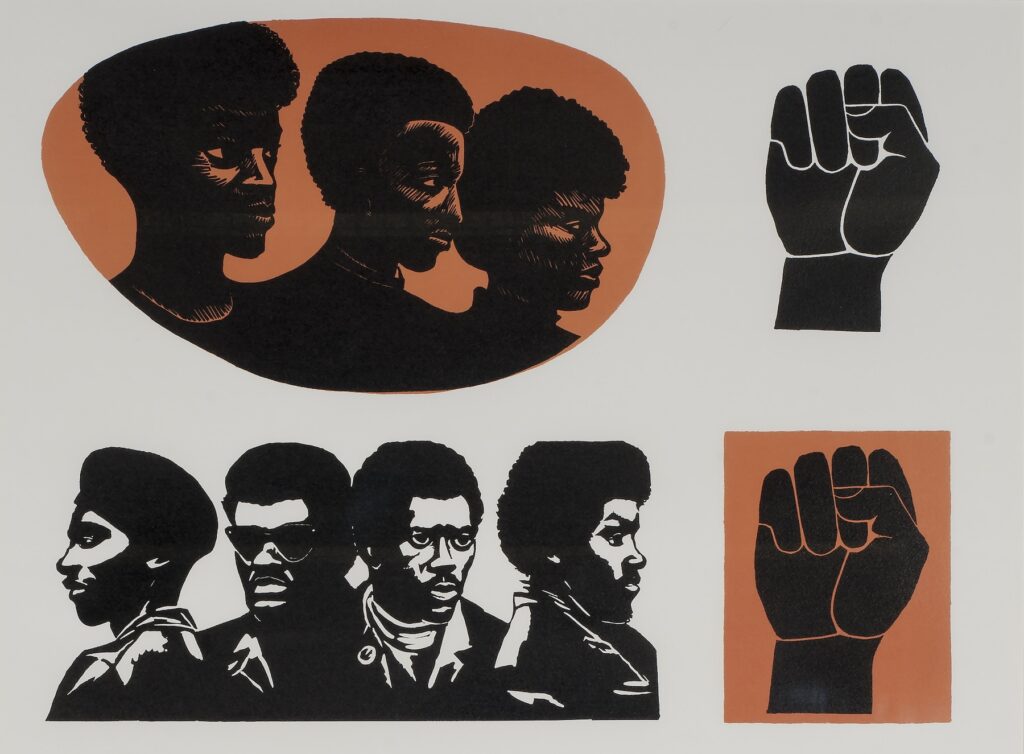
While “big name” artists had a presence, there were also a variety of exhibitions featuring works by Lamar Dodd faculty and students, regional artists and Athens’ local creative community. The museum also pushed the envelope and elevated discussion of social issues with exhibitions such as the digital AIDS Quilt, which brought the AIDS epidemic into greater focus, and consideration of more diverse cultural perspectives through exhibitions that focused on international, African American and woman artists’ works.
At the end of the decade, the museum celebrated its 50th anniversary with “Before 1948: American Paintings from Georgia Collections,” an exhibition that focused on American paintings from around the state. While the museum’s new building was a major step toward being able to house and display more of the permanent collection, an addition to the new museum building was already being planned in 1998. The new museum home and support to build an addition to the current facility were instrumental to the museum’s development going forward.
Authored by:
Jessica Luton